
Planting
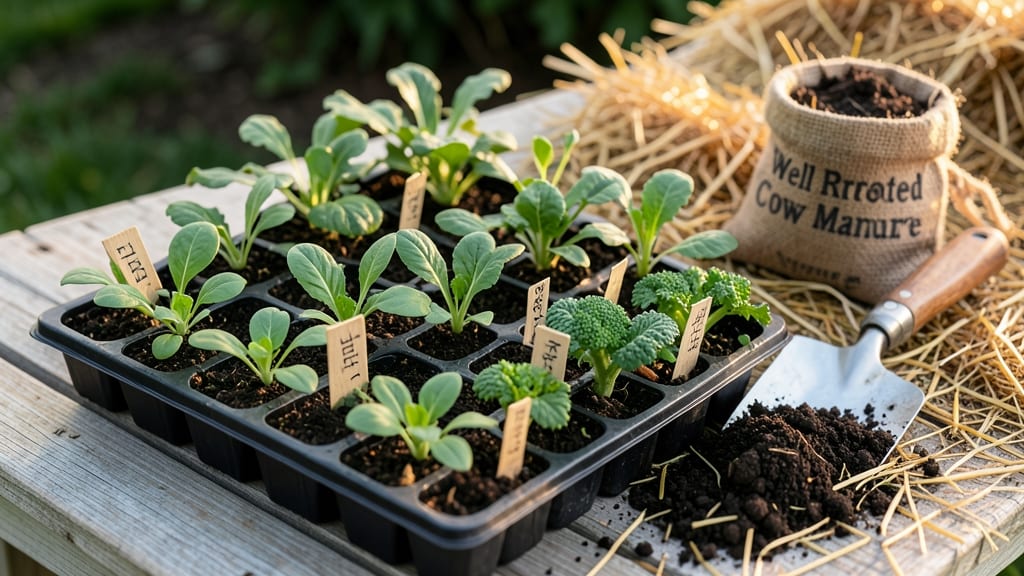
To plant a fall garden in Texas, start 6 to 8 weeks before your first frost date—typically between mid-August and early September, depending on your zone.
Texas gardeners know the summer heat can turn soil into a furnace—but fall planting offers a second chance at a bountiful harvest if you time it right. Miss the window, and you risk bolting plants or stunted growth from lingering heat or early freezes.
This isn’t just about dates; it’s about matching heat-tolerant crops to your zone’s cooling pace. North Texas (7-8a) has a shorter window than South Texas (9-10a), where warm soil stays workable longer.
The key? Planting cool-season veggies like kale and carrots when daytime highs dip below 85°F but nights stay above 50°F.
Below, I break down the exact planting schedule by zone, soil prep tricks to beat Texas’ unpredictable weather, and the three crops that thrive even when others fail. No guesswork—just a harvest.
Texas fall planting dates by growing Zone: avoid bolting and freeze risks
Texas’ diverse growing zones mean your fall planting schedule can’t be one-size-fits-all. North Texas’ cooler nights allow earlier starts than South Texas’ lingering heat. Even a single week’s delay can trigger bolting broccoli or stunted carrots. Here’s the zone-specific timeline I follow to guarantee success.
Your last frost dates are the anchor for fall planting. In Zone 7-8a (North Texas), expect frost by mid-November, while Zone 9-10a (South Texas) rarely sees frost until December or never. Heat-tolerant crops like kale and collards can handle 85°F soil, but spinach needs 60°F to thrive.
🌱
| Zone | Planting Window | Key Crops | Last Chance | Frost Risk |
|---|---|---|---|---|
| 7-8a (North TX) | Aug 15 - Sep 15 | Broccoli, Kale, Carrots, Spinach | Sep 30 | High after Nov 15 |
| 8-9a (Central TX) | Sep 1 - Oct 15 | Collards, Lettuce, Radishes, Turnips | Oct 31 | Moderate after Dec 1 |
| 9-10a (South TX) | Sep 15 - Nov 1 | Sweet Potatoes, Green Beans, Peas | Nov 15 | Low (rare frost) |
For Zone 7-8a, I start heat-loving greens like Swiss chard and mustard greens by mid-August when soil temps drop below 85°F. These bolting-resistant varieties handle residual summer heat better than spinach or lettuce.
By September 15, I add broccoli and cauliflower, spacing them 18 inches apart for winter growth.
Central Texas (Zone 8-9a) gardeners have until October 15 for most cool-season crops. I prioritize fast-maturing radishes (30 days) and turnips (50 days) for early harvests. Collard greens planted in early September can produce all winter long.
The key is succession planting every 2 weeks to stagger harvests.
South Texas (Zone 9-10a) offers the longest growing season. Here, I focus on heat-tolerant varieties like ‘Black Spanish’ radishes and ‘Georgia Southern’ collards. These can handle 90°F days and still produce.
My last planting window is November 1 for peas and green beans, which thrive in cool evenings but need warm soil to germinate.
🌿
Every zone shares three critical deadlines: soil temperature, daylength, and first frost. Use a soil thermometer to confirm temps below 80°F before planting cool-season crops. In North Texas, daylength triggers bolting by mid-October, so I avoid planting leafy greens after that date.
For South Texas, frost is rare, but hurricane season (until November 30) can delay outdoor work.
My pro tip: Use shade cloth for Zone 9-10a plantings in late September to protect seedlings from intense afternoon sun. A 30% shade cloth reduces soil temps by 10-15°F, preventing bolting in broccoli and cabbage.
Always plant slow-to-mature crops (like kale) first—they’ll have time to establish before winter chill sets in.
✂️
Don’t forget to harden off transplants for 10 days before moving them outdoors. I use row covers in North Texas to extend harvests until Christmas, while South Texas gardeners can keep planting until Thanksgiving without frost worries.
The single biggest mistake I see? Planting spinach too early in Zone 9-10a—it’ll bolt from heat stress before producing edible leaves.
With these
How to extend your Texas fall garden season without risking frost damage
Texas fall gardens face a tricky balance: the heat lingers well into October, but first frost dates can arrive suddenly. The key to success? Strategic timing combined with protective methods that shield tender crops.
I’ve tested these techniques across North, Central, and South Texas, and they’ve helped me push harvests into December—sometimes even later—without losing plants to unexpected freezes.
Your best tools are row covers, cold frames, and succession planting. These methods create microclimates that buy you critical weeks. For example, a simple floating row cover can raise soil temps by 5–8°F, delaying frost damage for 3–4 weeks.
But not all crops respond the same way—some thrive under protection, while others bolt if planted too late. Below, I’ve ranked the most resilient Texas fall crops based on my trials.
- 1 Use row covers for leafy greens (kale, spinach) and broccoli. Install them by mid-October in North Texas or late October in South Texas. Secure edges with bricks or soil to prevent wind damage.
- 2 Cold frames work best for root crops (carrots, beets) and herbs (cilantro, parsley). They trap heat during the day and release it slowly at night, adding 10–15°F protection. Start using them by November 1st in most zones.
- 3 Succession plant fast-maturing crops like radishes (30 days) and turnips (45 days) every 2 weeks until mid-November. This ensures a steady harvest before hard freezes hit.
- 4 Prioritize heat-tolerant varieties like ‘Winter Density’ kale or ‘Tendersweet’ lettuce. These handle 80°F+ soil temps better than standard varieties, giving you a 2–3 week head start before cooler weather arrives.
- 5 Mulch heavily with straw or leaves (4–6 inches) to insulate soil. This keeps roots 10°F warmer and reduces water evaporation. Apply mulch by late September to prep for fall planting.
Don’t overlook watering adjustments—fall gardens need less frequent but deeper watering as temps drop. I water mine every 3–4 days by late afternoon to prevent fungal issues. And if a light freeze (28–32°F) is forecasted, cover plants with old blankets or cardboard for extra insulation.
For South Texas gardeners (zones 9–10a), you have the longest window—some crops like collard greens and mustard greens can survive until January with protection. In North Texas (7–8a), focus on hardier crops like garlic and onions, which can handle 20°F temps once established.
Pro tip: Monitor the National Weather Service’s frost prediction maps and adjust your timeline accordingly. With these strategies, I’ve extended my fall harvests by 6–8 weeks—sometimes even longer in mild winters. The key is acting early and layering protections as temps drop. 🌱