
Planting
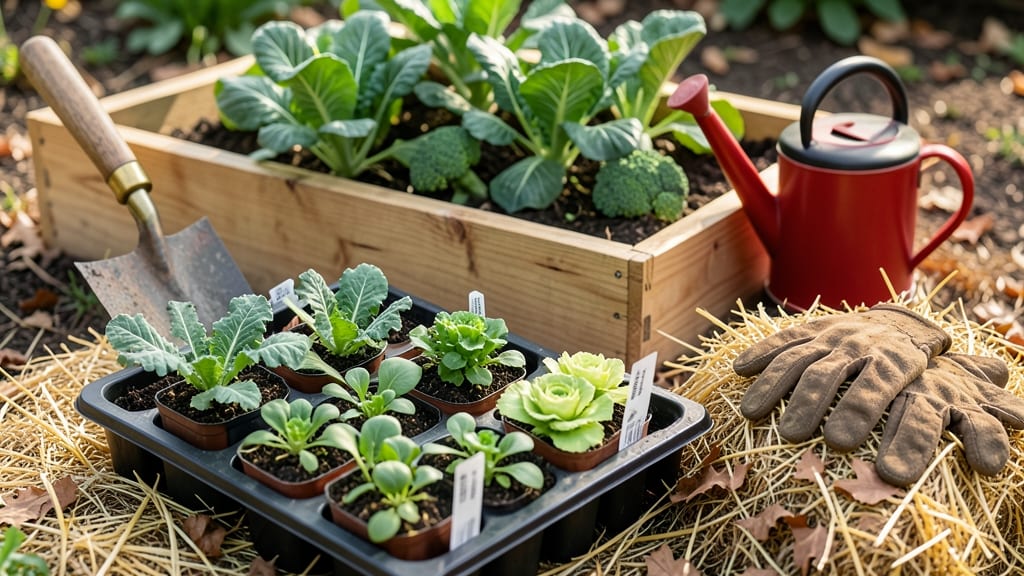
Planting a fall garden in Texas means starting mid-August to early October—the window that lets you beat the heat and harvest until December.
Texas gardeners know the struggle: scorching summers can leave you wondering if a fall garden is even possible—but with the right timing and heat-tolerant crops, you can beat the heat and harvest until winter.
The key is planting 6-8 weeks before your first frost, which varies by zone (think November 15 in 8a vs. December 15 in 9b). In this guide, you’ll find the exact deadlines for your region, plus the best crops to thrive in late-summer soil.
We’ll cover everything from soil prep to watering tricks that keep your greens lush, so you can avoid the common mistakes that waste a whole season’s work.
Texas fall planting timeline: month-by-month deadlines for heat-resistant crops
Texas gardeners face a unique challenge: the brutal summer heat makes it seem impossible to grow anything meaningful before fall. But with the right heat-resistant crops and precise planting deadlines, you can enjoy a thriving fall harvest.
The secret lies in understanding your USDA zone (7-10) and adjusting for North vs. South Texas microclimates. Let’s break down the exact month-by-month windows to maximize your garden’s potential.
In North Texas (zones 7-8), your first frost typically arrives between November 15 and December 15, while South Texas (zones 9-10) can push frost back until January 31 or later. This means your planting deadlines shift dramatically—North Texas gardeners must act faster, while South Texas has more flexibility.
The goal? Plant 6-8 weeks before frost to give crops time to mature before temperatures drop.
| Month | North Texas (Zones 7-8) | South Texas (Zones 9-10) | Key Crops |
|---|---|---|---|
| August | Start heat-tolerant varieties (last chance for quick growers) | Ideal time for warm-season crops | Okra, sweet potatoes, black-eyed peas |
| September | Plant broccoli, kale, and cabbage (6-8 weeks before frost) | Transition to cool-season crops (late September) | Collard greens, Swiss chard, turnips |
| October | LAST CHANCE for spinach, lettuce, and peas | Plant hardy greens and root crops | Carrots, beets, radishes, arugula |
| November | Focus on cold-hardy crops (if frost hasn’t hit) | Extend season with row covers | Kale, Brussels sprouts, garlic |
🌱 Note: Adjust for early frosts in North Texas or delayed frosts in South Texas.
For North Texas gardeners, September is your golden month. This is when you should plant broccoli, kale, and cabbage to ensure they mature before the first frost.
In South Texas, you have until late October for most crops, giving you extra time to experiment with slower-growing varieties like Brussels sprouts or winter radishes. Pro tip: Use shade cloth in August to protect seedlings from the relentless Texas sun while they establish roots.
Don’t overlook warm-season crops like okra and sweet potatoes—they thrive in late summer and can be planted as early as mid-August. These heat-lovers will give you an early harvest before cooler weather sets in.
Pair them with fast-maturing greens like lettuce or arugula for a dual harvest strategy. Just remember: okra and sweet potatoes need full sun and well-draining soil to avoid rot.
One of the biggest mistakes Texas gardeners make is planting too late. If you miss the October deadline for cool-season crops, you’ll end up with stunted plants that bolt or freeze before producing.
Use this rule of thumb: Count backward from your average first frost date (check your local Cooperative Extension Service for exact dates) and plant accordingly. For example, if frost hits November 15 in your area, aim to have seedlings ready by early October.
Regional differences matter. In North Texas, where nights cool off faster, focus on cold-hardy varieties like ‘Winterbor’ kale or ‘Purple Top’ turnips. In South Texas, where mild winters prevail, you can grow ‘Texas Bluewave’ broccoli or ‘Georgia Southern’ collards well into December.
Always check seed packets for “days to maturity” and adjust your planting schedule to match your local frost date.
Extend your fall garden’s life with mulching and row covers. A thick layer of straw or leaves insulates soil, keeping roots warm and protecting against early frosts. Row covers (lightweight fabric) can add 2-4 weeks to your growing season by trapping heat.
Combine these techniques with drip irrigation to keep soil moist without overwatering—critical in Texas’s erratic fall weather patterns.
Finally, don’t forget to soil test before planting. Texas soils vary wildly—from sandy loam in West Texas to heavy clay in East Texas. Amend your soil with compost or aged manure to improve drainage and fertility.
Aim for a pH of 6.0-7.0 for most vegetables, and adjust with lime or sulfur as needed. Healthy soil means healthier plants that can withstand late-season stress.
With these month-by-month deadlines and regional adjustments, your Texas fall garden will be a success. Start early, choose the right crops for your zone, and protect your plants from the elements.
Soon, you’ll be harvesting fresh greens and root vegetables long after your neighbors have packed up their gardens for the winter. Happy planting! 🌿
Best heat-tolerant fall vegetables for Texas gardens (and how to extend their season)
Texas summers are brutal, but with the right heat-tolerant vegetables, you can keep harvesting well into fall. The secret lies in selecting varieties that thrive in 90°F+ temperatures while preparing for cooler weather. I’ve grown these crops in Zone 9b for years—here’s what works best.
Start planting okra and sweet potatoes as early as mid-August to give them time to establish roots before temperatures drop. These powerhouses handle Texas heat like pros, with okra producing pods even when temps hover around 100°F.
For leafy greens like collard greens and Swiss chard, wait until late August to early September to avoid bolting.
Planting Heat-Tolerant Fall Crops in Texas
- ✅ Okra: Thrives in heat, produces pods until frost
- ✅ Sweet Potatoes: Drought-tolerant, sweetens in cooler temps
- ✅ Collard Greens: Sweeter after light frost, heat-resistant
- ❌ Bolting risk: Lettuce and spinach may flower early in heat
- ❌ Pest pressure: Squash bugs love warm fall nights
- ❌ Slow start: Some crops need 6+ weeks to mature
💡 Pro Tip: Use shade cloth (30-50%) over seedlings to reduce stress during 100°F+ days.
To extend your harvest season, focus on mulching heavily with straw or wood chips to insulate soil and retain moisture. I’ve seen Swiss chard survive light frosts when covered with row covers—just remove them during the day for sunlight.
For root crops like carrots and beets, plant them 6-8 weeks before your first frost date (typically November 15 in North Texas to December 15 in South Texas).
Don’t overlook peppers and eggplants—they’re surprisingly resilient in fall heat. I’ve grown ‘Arpad F1’ bell peppers until mid-December in Zone 9a by using drip irrigation to keep roots cool. Pair them with bush beans, which fix nitrogen in the soil while producing pods until frost.
For the ultimate heat-defying combo, try ‘Black Magic’ okra (drought-tolerant) alongside ‘Georgia Southern’ collards (sweetens in cool weather). Both handle Texas heat while setting you up for a winter harvest. Just remember: water deeply 2-3 times per week during establishment, then taper to once weekly once roots are established.
With these heat-tolerant varieties and smart timing, you can turn your Texas garden into a fall harvest machine—no wilting in sight! Start with okra and sweet potatoes in August, then add greens in September for a month-long extension of fresh produce.