
Planting
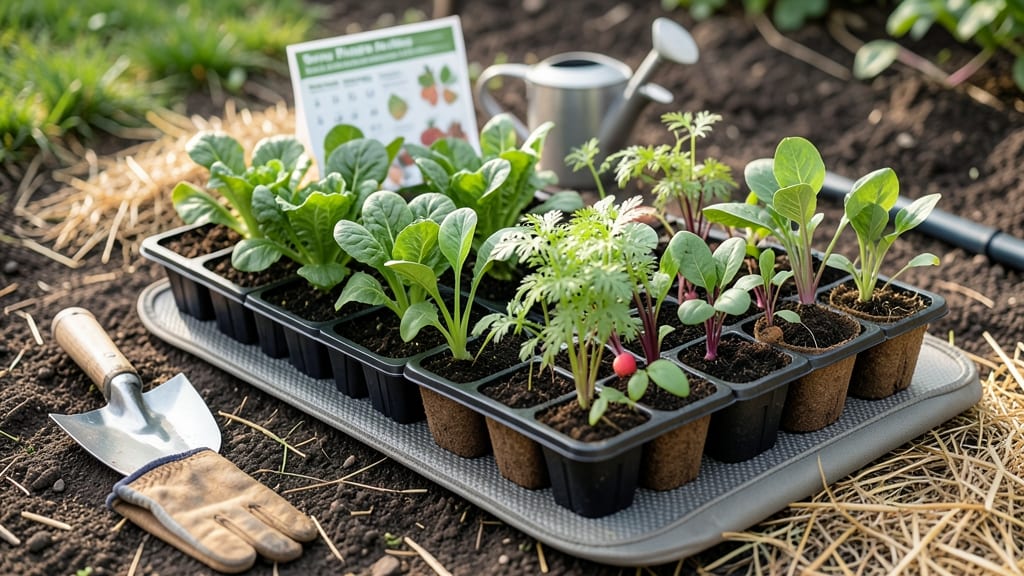
Planting a garden in Michigan at the right time means the difference between a bountiful harvest and wasted effort—timing your General Garden Vegetables 🌱 after the last frost is everything.
Michigan’s short growing season demands precision—plant too early and risk frost damage, too late and miss peak harvests. Timing your garden correctly in USDA Zones 5b-6b can mean the difference between a thriving plot and wasted seeds.
With frost-free days ranging from 140 to 180, knowing when to plant cool-season crops like lettuce and peas versus warm-season favorites like tomatoes and peppers is key. Below, I break down the exact windows for spring and fall planting, plus how to adjust for Michigan’s microclimates.
You’ll learn how to extend your season, prep your soil, and choose the best General Garden Vegetables for your region—so you can enjoy fresh harvests from June through October.
Michigan planting timeline by season: exact dates for frost-resistant vegetables
Michigan’s USDA Zones 4-5 mean gardeners must work with a short 140-180 day frost-free window. Cool-season crops like kale and peas thrive in spring, while tomatoes and peppers need summer warmth.
Last frost dates vary by region—Detroit averages May 10-15, while Traverse City sees frost until May 20. Planning ahead ensures your garden avoids frost damage while maximizing harvests.
Start by dividing crops into two planting categories: cool-season (spring/fall) and warm-season (summer). Cool-season crops like spinach and carrots tolerate light frosts, while warm-season crops like cucumbers and eggplants need soil temperatures above 60°F.
Use row covers to extend early spring plantings by 2-3 weeks and protect tender seedlings.
Here’s your month-by-month planting guide for Michigan’s three key regions, tailored to frost-resistant vegetables:
| Crop Type | Detroit (Last Frost: May 10-15) | Grand Rapids (Last Frost: May 5-10) | Traverse City (Last Frost: May 15-20) | Notes |
|---|---|---|---|---|
| Cool-Season Greens (Lettuce, Spinach, Kale) | March 15 - April 15 | March 1 - April 10 | April 1 - April 20 | Tolerates light frost; succession plant every 2 weeks |
| Root Vegetables (Carrots, Radishes, Beets) | April 1 - May 10 | March 20 - April 25 | April 10 - May 5 | Plant early for summer harvest; avoid late plantings |
| Tomatoes & Peppers (Warm-Season) | May 15 - June 1 | May 10 - May 25 | May 20 - June 5 | Use row covers for early starts; transplant after soil warms |
| Bush Beans & Corn (Summer Staples) | May 20 - June 10 | May 15 - May 30 | May 25 - June 10 | Plant after last frost; corn needs 60+ days to mature |
| Fall Cool-Season (Kale, Radishes, Spinach) | July 15 - August 15 | July 10 - August 10 | July 20 - August 15 | Plant 6-8 weeks before first frost for harvest |
For Detroit gardeners, prioritize early spring plantings of peas and radishes by March 15 to beat the rush.
In Grand Rapids, where frosts linger longer, delay tomato transplants until May 15 to avoid cold soil shock. Traverse City’s later last frost date allows for extended summer harvests—plant bush beans as late as June 10 for fall production.
Protect tender warm-season crops like peppers with black plastic mulch to warm soil faster. In northern Michigan, consider cold frames to start tomatoes indoors by March 1, transplanting after May 15. Always check soil temperature—warm-season crops need 60°F+ soil to thrive.
Don’t overlook fall planting! Kale and Swiss chard sweeten after frost, making them ideal for September-October sowings. Use row covers to extend harvests into November in sheltered microclimates. Plan for succession plantings every 2 weeks to maintain a steady harvest of lettuce and radishes.
Monitor local frost forecasts via the Michigan State University Extension or NOAA
How to adjust planting dates for Michigan’s microclimates and soil conditions
Michigan’s diverse landscapes—from Detroit’s urban heat islands to northern Michigan’s cooler climates—create microclimates that can shift planting windows by 2-4 weeks.
Even within USDA Zones 4-5, your garden’s success depends on understanding these local variations and soil types, whether you’re dealing with clay-heavy soil in the Lower Peninsula or sandy loam in the Upper Peninsula.
Urban gardeners in cities like Grand Rapids or Ann Arbor often experience warmer microclimates due to pavement and buildings, allowing for earlier plantings of warm-season crops like tomatoes and peppers.
Meanwhile, rural areas in Traverse City or the U.P. may need to wait until mid-May to avoid late spring frosts that can devastate young seedlings.
Soil type also plays a critical role. Clay soil holds moisture longer but drains poorly, while sandy soil warms up faster in spring but dries out quickly.
Amending your soil with compost or organic matter can help balance these extremes, ensuring your plants establish roots quickly and thrive during Michigan’s short growing season.
To extend your growing season, use row covers or cold frames to protect early plantings. These tools can add 2-4 weeks to your season, allowing you to plant cool-season crops like spinach or kale in early spring or fall crops like carrots and radishes well into October.
For urban gardens with limited space, consider succession planting—sowing fast-growing crops like lettuce or radishes every 2 weeks ensures a continuous harvest.
For sandy soil, focus on drought-tolerant crops like beans, squash, or drought-resistant herbs. Mulch heavily to retain moisture, and water deeply but infrequently to encourage deep root growth.
In clay soil, prioritize well-draining amendments like perlite or coarse sand, and choose crops that thrive in moisture-retentive conditions, such as Swiss chard, kale, or potatoes.
Northern Michigan’s cooler climates favor early maturing varieties of vegetables. Opt for bush beans instead of pole beans, early tomatoes like ‘Early Girl,’ or fast-growing greens like arugula.
These choices maximize your yield before the first fall frost, which typically arrives in mid-October in the north and early November in the south.
By tailoring your planting dates to Michigan’s microclimates and soil conditions, you can transform challenges into opportunities—turning a short season into a bountiful harvest. Experiment with season extenders and succession planting to make the most of every growing day! 🌱