
Pruning
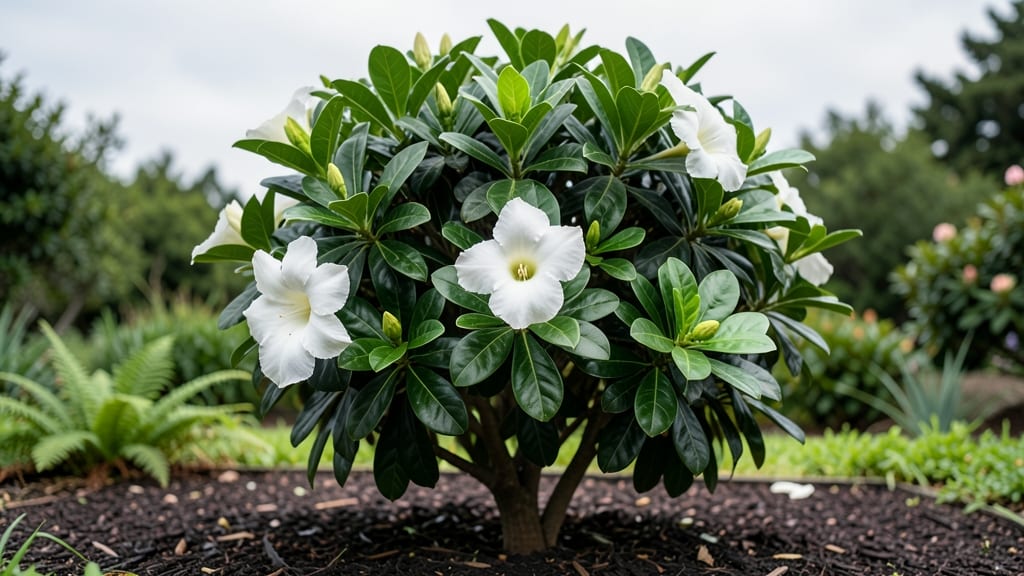
The gardenia tree size at maturity ranges from 6 to 15 feet, depending on the variety and growing conditions—so choosing the right spot is everything.
Picture this: your dream gardenia 🌸 thriving in a corner, only to realize in a few years it’s crowding out your patio furniture. Or worse, you planted it too close to the house and now the pruning is a nightmare.
The size of your gardenia isn’t just about aesthetics—it’s about long-term planning.
Some varieties, like the compact Kleim’s Hardy, max out at 5 feet, while others, like the classic Gardenia jasminoides, can stretch toward 12 feet. Sunlight, soil acidity, and pruning habits all play a role in how big (or small) it gets.
In this guide, I’ll break down the exact heights and spreads of popular gardenia types, share proven pruning tricks to control growth, and help you pick the perfect spot so your gardenia stays happy—and manageable—for decades.


Gardenia tree size by variety: height, spread & growth rates compared
Choosing the right gardenia variety starts with understanding their mature sizes. These fragrant beauties range from compact shrubs to small trees, and selecting the wrong type can lead to overcrowded gardens or underwhelming blooms.
I’ve grown gardenias for over a decade, and the size differences between varieties are one of the first things I check when planning my landscape.
Most gardenias fall into three size categories: dwarf, standard, and large. A dwarf variety like Kleim’s Hardy stays under 5 feet tall, while a standard variety like Cape Jasmine can reach 10-15 feet.
Knowing these differences helps you avoid planting a towering gardenia where a compact one would fit better—or vice versa.
Growth rates also vary significantly. Some varieties grow 12-24 inches per year, while others creep along at just 6-12 inches annually. This matters if you’re planning for quick privacy screens or patiently waiting for a centerpiece plant.
Below, I’ve compared the most popular gardenia varieties to help you pick the perfect fit for your space.
The Kleim’s Hardy gardenia is my top pick for small spaces. It stays under 5 feet tall and spreads just 3-4 feet wide, making it perfect for containers or tight corners.
I’ve seen it thrive in 15-gallon pots on patios, and its cold hardiness (Zone 6) is a bonus for northern gardeners.
If you’re dreaming of a privacy screen, the Cape Jasmine or Radicans varieties are ideal. Both grow 6 feet or taller and spread wide enough to block views quickly. Just give them 6-8 feet of space from structures to avoid root competition.
For a balanced look that’s neither too small nor too large, August Beauty is my go-to. It reaches 4-6 feet tall and fits well in foundation plantings or as a specimen plant near entryways. Its slower growth rate also means less pruning over time.
When planning your garden, remember that spread matters as much as height. A gardenia with a 10-foot spread planted too close to a fence will quickly outgrow its space. Always check the mature spread in the table above and add 2-3 feet of clearance for airflow and maintenance.
Growth rates also affect your timeline. If you need quick results, Fortuniana grows 18-24 inches per year, while Kleim’s Hardy takes its time at just 6-12 inches annually. Plan accordingly—especially if you’re using gardenias for seasonal color or privacy.
Pro tip: Prune in late winter to control size and shape. I always cut back 1/3 of the oldest stems to encourage bushier growth and more blooms. This works for all varieties but is especially helpful for fast-growing types like Radicans.
For container gardening, stick to dwarf or semi-dwarf varieties
How to control gardenia tree size: pruning tips & space-saving techniques
If your gardenia tree is outgrowing its welcome spot, don't panic—strategic pruning can keep it manageable while maintaining those fragrant blooms. Gardenias naturally grow between 6-15 feet tall, but with the right techniques, you can shape them into compact shrubs or even container-friendly specimens.
The key is timing, tools, and a gentle touch to avoid stressing the plant.
Pruning isn't just about size control—it also promotes healthier growth and more abundant flowers. However, gardenias respond best to light pruning rather than heavy cuts. Over-pruning can reduce blooming potential, so aim for a balance.
Whether you're working with a mature gardenia or a young sapling, these techniques will help you maintain the perfect size for your space.
- 1 Choose the right season: Prune gardenias right after flowering (late spring to early summer) to avoid cutting off next year's blooms. Never prune in fall or winter—this is when the plant sets buds for spring blooms.
- 2 Gather the right tools: Use clean, sharp pruners (bypass pruners work best) and disinfect them with rubbing alcohol to prevent disease. Avoid dull tools—they crush stems instead of making clean cuts.
- 3 Remove dead or crossing branches: Start by cutting out any dead wood or branches that rub against each other. This improves airflow and reduces disease risk. Make cuts at a 45-degree angle just above a leaf node.
- 4 Shape for size control: To reduce height, cut back up to one-third of the current season's growth. For width control, trim branches that extend outward too far. Always cut back to an outward-facing bud to encourage fuller growth.
- 5 Try espalier for small spaces: Train your gardenia along a trellis or wall using espalier techniques. Select 3-4 main branches and spread them horizontally, securing them with soft ties. This creates a flat, decorative shape perfect for patios or small gardens.
- 6 Container gardening tips: If growing in a pot, prune regularly during the growing season to control size. Choose a container at least 18 inches wide and use well-draining acidic soil. Root-prune every 2-3 years by trimming roots when repotting.
For dwarf varieties like 'Kleim's Hardy,' you can be slightly more aggressive with pruning since they naturally stay 3-5 feet tall. However, even these varieties benefit from light shaping to maintain a neat appearance.
Always step back after pruning to check the balance—gardenia trees have a natural pyramidal shape, so aim to preserve that silhouette.
After pruning, give your gardenia extra care to recover. Water deeply but infrequently (every 5-7 days) and apply a balanced fertilizer (like 10-10-10) every 6 weeks during the growing season. Avoid heavy feeding right after pruning, as new growth will be tender and susceptible to damage.
With patience and practice, you'll find the perfect balance between size control and bloom production. A well-pruned gardenia not only fits your space beautifully but also rewards you with more fragrant flowers and a healthier plant overall. Happy pruning! 🌿✂️🌸