
Planting
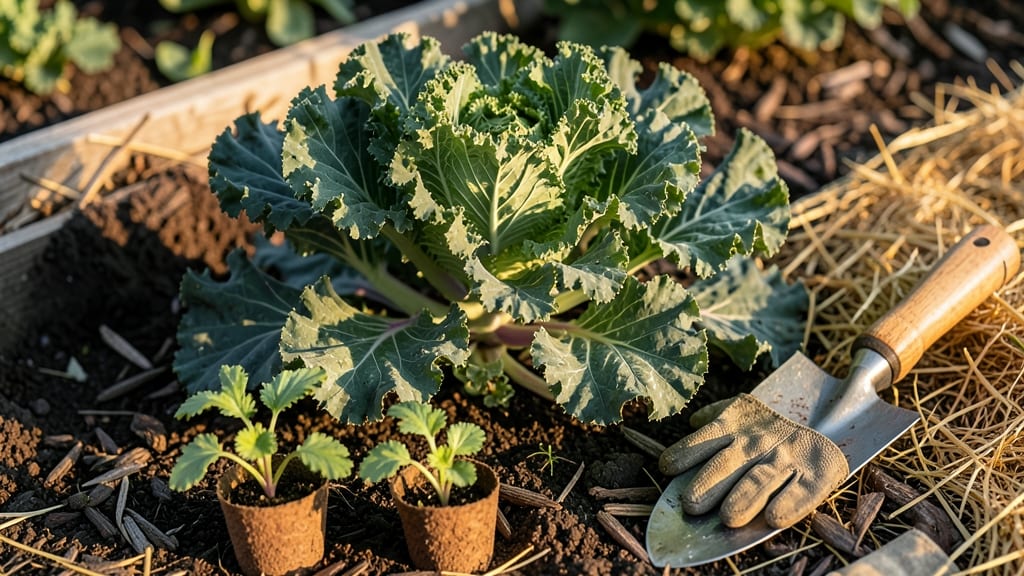
Planting a fall garden in South Texas means beating the heat and the first frost—both are waiting to cut your harvest short if you’re not careful.
South Texas gardeners know the struggle: scorching summer heat followed by a sudden first frost can make fall gardening feel like a high-stakes gamble.
But with the right timing and heat-tolerant crops, you can grow a thriving fall garden that outlasts the heat and delivers a bountiful harvest before winter sets in. The key is starting 60-90 days before that first frost, usually between mid-August and early October, depending on your microclimate.
Why does timing matter so much? Because South Texas’s 9a-10a climate gives you a narrow window to plant crops that thrive in warm soil but won’t bolt in the heat.
Miss the mark, and you’ll end up with stunted greens or bitter roots—neither of which you want when your goal is a flavorful, late-season harvest.
In this guide, I’ll break down the exact planting schedule for your region, the top 10 heat-tolerant crops that perform best, and smart techniques to stretch your growing season just a little longer. No more guesswork—just a foolproof plan for a fall garden that actually pays off.
Optimal planting windows for South Texas fall gardens by month
South Texas's long, hot summers and unpredictable frost dates demand precise timing for a successful fall garden. Unlike northern regions, our USDA Zones 9a-10a allow for extended growing seasons, but knowing exact planting windows ensures your crops thrive before the first frost—typically around mid-November.
The key is leveraging heat-tolerant varieties and strategic planting to avoid bolting or stunted growth.
Your fall garden success hinges on three critical phases: early-season prep (August), peak planting (September), and late-season extensions (October). Each month offers unique advantages—August lets you sow fast-maturing crops, September captures ideal temperatures, and October allows for frost-sensitive varieties to mature before winter.
Let’s break down the best planting windows for each month to maximize your harvest.
| Month | Planting Window | Best Crops | Key Tips |
|---|---|---|---|
| August | Early August (before 90°F+ heat) | Okra, Sweet Potatoes, Black-Eyed Peas, Cowpeas | Use shade cloth for seedlings; prioritize heat-loving crops. |
| September | Mid-September (ideal for most veggies) | Collard Greens, Kale, Turnips, Carrots, Beets | Plant 60-90 days before first frost; mulch to retain moisture. |
| October | Early October (last chance for frost-sensitive crops) | Spinach, Lettuce, Radishes, Green Onions | Choose fast-maturing varieties (30-50 days); use row covers. |
| November | Late November (for cold-hardy crops) | Garlic, Onions, Arugula, Mustard Greens | Plant bulbs and greens 4-6 weeks before frost; protect with mulch. |
In August, focus on heat-tolerant staples like okra and sweet potatoes, which thrive in residual summer heat. Start seeds indoors or use shade cloth to protect young seedlings from scorching temperatures.
August is also prime time to direct-sow cowpeas and black-eyed peas, which fix nitrogen in the soil—a bonus for future plantings.
September is the golden month for fall gardens in South Texas. Temperatures begin to dip, and daylight hours shorten, creating ideal conditions for leafy greens and root vegetables. Aim to plant collard greens and kale by mid-September—they’ll mature just in time for harvest before frost.
For broccoli and cabbage, opt for fast-maturing varieties (e.g., 'Waltham 29' broccoli) to ensure a harvest before December.
By October, the stakes get higher. This is your last chance to plant frost-sensitive crops like lettuce and radishes. Choose 30-50 day varieties to guarantee a harvest before the first frost.
If you’re feeling ambitious, try spinach and green onions, which can tolerate light frosts and even sweeten up in cooler weather. Use row covers to extend the season by 2-3 weeks.
Don’t overlook November planting, especially for cool-season crops like garlic and onions. These overwintering crops benefit from early planting—they’ll establish roots before winter and reward you with harvests in early spring.
For greens like arugula and mustard, November is ideal if you protect them with mulch or cold frames to shield against unexpected frosts.
Pro tip: Monitor your local frost dates—they can vary by 1-2 weeks depending on your specific microclimate (e.g., Rio Grande Valley vs. Hill Country). Use a frost calendar or set reminders for average first frost dates in your area.
Adjust your planting timeline accordingly to avoid losing your hard work to an early freeze.
Remember, soil preparation is just as critical as timing. Before planting, amend your soil with compost or aged manure to improve drainage and fertility. South Texas soils can be heavy and clay-like, so incorporating organic matter helps roots establish faster.
Water deeply after planting to encourage strong root growth, especially for transplants like tomatoes or peppers.
With these month-by-month guidelines, you’ll transform your South Texas garden into a fall harvest powerhouse. Start early, stay flexible, and don’t hesitate to experiment with heat-tolerant varieties—your garden will thank you with a bounty that lasts well into winter. Happy planting! 🌱
Top 10 heat-tolerant fall crops for South Texas and when to sow them
Fall gardening in South Texas doesn’t have to be a gamble—just a strategic move. The key is choosing heat-tolerant crops that thrive in late summer’s lingering warmth while maturing before the first frost (typically mid-November).
These crops not only survive the heat but also deliver abundant harvests when cooler weather arrives. Let’s dive into the top 10 crops that will keep your garden productive well into fall.
Timing is everything in South Texas. Plant too early, and you’ll battle summer’s intensity; too late, and frost will cut your harvest short. The sweet spot? Start sowing okra, sweet potatoes, and black-eyed peas in late July to early August for early fall harvests.
For collard greens, turnips, and mustards, wait until mid-August to early September to avoid bolting in the heat. Each crop has its own window, but all share one goal: maturity before frost.