
Planting
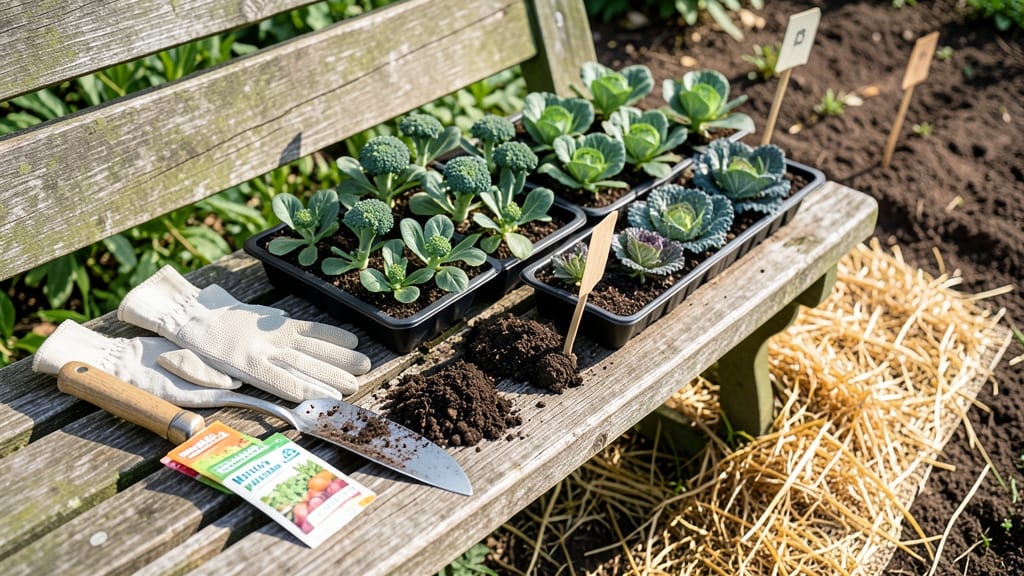
Planting your fall garden in Florida between mid-August and early October is the key to beating the summer heat while setting up a harvest before the holidays.
Here’s the catch: rush it, and you’re fighting residual 90-degree days; wait too long, and hurricane season cuts your season short. I’ve seen both mistakes—wilted seedlings in August and lost crops after a September storm.
Florida’s long growing season means you’ve got flexibility, but the exact timing depends on your county’s heat zones and hurricane risk. North Florida can plant a little later, while South Florida needs to start earlier to avoid the worst of summer’s intensity.
In this guide, I’ll break down the perfect planting windows by region, the top 10 heat-tolerant crops for fall, and how to stretch your harvest through December—without losing your sanity (or your plants) to Florida’s quirks.
Florida fall planting deadlines by county (heat & hurricane zones)
Florida’s fall planting window is a tightrope walk between residual summer heat and hurricane season risks. Unlike northern states, Florida’s frost-free zones (8a-11) mean your deadline isn’t frost—it’s soil cooling and storm preparedness.
Plant too early, and your greens bolt in 90°F; too late, and a Category 1 hurricane wipes out your seedlings. Let’s break it down by region with exact county deadlines.
North Florida (Panhandle to Orlando) has the shortest window—just 6-8 weeks before the first rare frost (December 15 in Jacksonville). Central Florida (Tampa to Ocala) can stretch until mid-October, while South Florida (Miami to Key West) enjoys a 3-month window thanks to its tropical climate.
The key? Heat tolerance thresholds (soil temps below 85°F) and hurricane risk maps (avoid planting after August 20 in storm-prone zones).
🌱 Pro Tip: Use a soil thermometer—most fall crops thrive when soil temps drop below 85°F. In South Florida, this happens by mid-August; in North Florida, wait until late August.
| Region | Counties | Last Planting Deadline | Heat Threshold (°F) | Hurricane Risk | Key Crops |
|---|---|---|---|---|---|
| North | Jacksonville, Gainesville, Tallahassee | September 15 | 80°F (soil) | Low (June-Nov) | Broccoli, Kale, Carrots |
| Central | Orlando, Tampa, Ocala | October 1 | 82°F (soil) | Moderate (Aug-Oct) | Okra, Sweet Potatoes, Collards |
| South | Miami, Fort Lauderdale, Key West | November 15 | 85°F (soil) | High (June-Nov) | Tomatoes, Peppers, Green Beans |
In North Florida, aim to plant broccoli and kale by September 15—any later, and they’ll bolt before Christmas temperatures drop. Use row covers to shield from unusual cold snaps (like the 2018 freeze).
Central Florida’s longer window lets you squeeze in heat-tolerant crops like okra and sweet potatoes, but avoid planting after October 1 if you’re in hurricane zones (e.g., Tampa Bay).
South Florida’s tropical advantage means you can plant tomatoes and peppers until November 15, but hurricane prep is non-negotiable. If a storm hits in September or October, prioritize upright crops (like bush beans) over sprawling cucumbers, which are easier to stake and secure.
Always check the National Hurricane Center forecast before seeding.
🌧️ Hurricane Hack: Plant fast-maturing varieties (e.g., bush beans in 50 days) if you’re in a high-risk zone. For slower growers (like cabbage), start seeds indoors in August and transplant after September 15.
Soil prep is your secret weapon against Florida’s sandy, fast-draining soil. Work in 2-3 inches of compost by July to improve moisture retention. For heat-sensitive crops (e.g., lettuce), use shade cloth (30-50%) until soil temps drop below 85°F.
In South Florida, black plastic mulch can raise soil temps—remove it by mid-August to cool the ground.
Watering strategies shift in fall: deep soak weekly (1-2 inches)
Top 10 heat-tolerant fall vegetables for Florida gardens (with exact days to maturity)
Florida’s summer heat doesn’t have to stop your fall harvest—many vegetables actually thrive in the residual warmth while cooler nights arrive. The key is choosing heat-tolerant varieties that won’t bolt or wilt under 85-90°F temperatures.
These top 10 performers deliver high yields even when other crops struggle, with days-to-maturity perfectly timed for Florida’s fall window.
Unlike northern gardens, Florida’s long growing season means you can plant later than traditional calendars suggest. Most of these varieties handle late August sowings in South Florida or early September in North Florida’s cooler zones. The secret? Prioritizing drought-resistant and shade-tolerant types that won’t stress under Florida’s humid heat.
🌱 Top Heat-Tolerant Fall Vegetables for Florida
- Okra ('Clemson Spineless') – 50-60 days to harvest; thrives in 90°F+ with drought tolerance. Plant July-Sept for continuous pods.
- Sweet Potatoes ('Beauregard') – 90-120 days; loves hot soil and poor drainage. Start slips in late July.
- Collard Greens ('Georgia Southern') – 60-70 days; sweeter in cool nights but handles 95°F with afternoon shade.
- Southern Peas ('Purple Hull') – 80-90 days; fixes nitrogen and resists heat stress. Plant June-August.
- Malabar Spinach ('Indian Spinach') – 60-75 days; grows in 100°F+ and humidity—no bolting risk.
- Tomatillos ('Green Mexican') – 75-85 days; heat-resistant fruit for salsas; plant Aug-Sept.
- Eggplant ('Black Beauty') – 70-80 days; prefers warm soil and long days. Start seeds July-Aug.
- Peppers ('Jalapeño M') – 70-85 days; heat-loving and disease-resistant varieties dominate fall harvests.
- Cassava ('Manihot esculenta') – 12-18 months; tropical root thrives in heat and poor soil—plant year-round.
- Amaranth ('Red Garnet') – 50-60 days; nutrient-dense greens that bolt-proof in heat.
For maximum yields, pair these with mulch techniques—black plastic or straw—to keep roots cool while maintaining soil moisture. Okra and sweet potatoes lead the pack for heat endurance, while collards and amaranth deliver nutrient-packed greens without fuss.
Even tomatoes perform better in Florida’s fall if you choose heat-set varieties like 'Celebrity' or 'Solar Fire'.
Pro tip: Succession plant fast-maturing crops like amaranth (50 days) every 2 weeks from August through October to stretch your harvest. Southern peas and okra reward patience—both produce long after traditional gardens fade.
Just avoid planting lettuce or spinach after September 15 in North Florida unless you use shade cloth.
Florida’s hurricane season (June-Nov) adds another layer—prioritize wind-resistant plants like cassava or sweet potatoes, which recover faster than vining crops. If storms hit, okra and peppers often rebound quickly from pruning. For container gardens, jalapeños and tomatillos thrive in 5-gallon pots with daily watering.
Ready to plant? Grab seeds by late July for early August starts—these varieties won’t let Florida’s heat steal your harvest. 🌱