
Planting
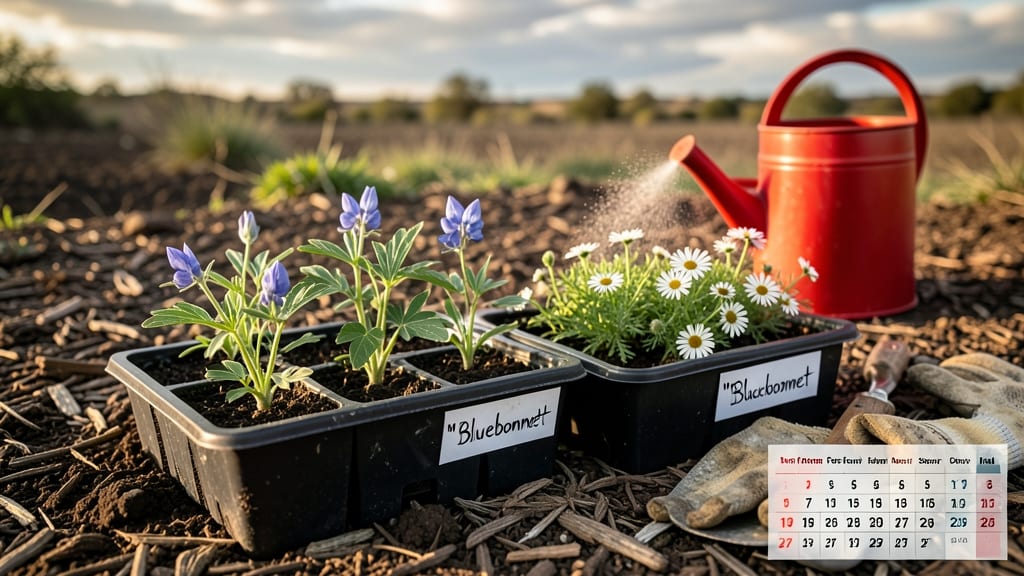
Planting a garden in Central Texas at the right time means the difference between a lush harvest and a sad, wilted mess.
Central Texas gardeners know timing is everything—plant too early and risk frost, too late and face scorching heat. But with the right schedule and heat-resistant varieties, you can grow a thriving garden year-round.
Spring is your best bet, with late February to early April as the ideal window for most General Garden Plants (Central Texas) 🌱. This gives your veggies and flowers time to establish roots before summer’s brutal heat arrives.
Fall planting in August to September offers a second chance, letting you beat the frost and enjoy a late-season bounty.
Here’s how to align your planting with Central Texas’s frost dates, pick the toughest heat-resistant crops, and stretch your growing season with smart tricks—so you’re harvesting long after your neighbors have given up.
Central Texas frost dates and ideal planting windows by season
Understanding Central Texas frost dates is the first step to a successful garden. The last spring frost typically arrives between March 15-30, while the first fall frost often hits around November 15. These dates create a 210-day frost-free window—perfect for planning your planting calendar.
For Austin, Waco, and San Antonio, timing varies slightly due to microclimates. Urban areas like Austin may see frost a few days later than rural Waco. Always check local frost alerts from your AgriLife Extension office for real-time updates.
Spring planting begins in late February to early April, focusing on cool-season crops like lettuce, spinach, and peas. Summer planting shifts to heat-loving varieties like okra and sweet potatoes in June-July, while fall planting resumes in August-September for broccoli and carrots.
| Season | Planting Window | Key Crops | Frost Risk |
|---|---|---|---|
| Spring | Late February - Early April | Lettuce, Spinach, Peas, Onions, Broccoli | High (last frost: March 15-30) |
| Summer | June - July | Okra, Sweet Potatoes, Black-Eyed Peas, Melons | None (100°F+ temps) |
| Fall | August - September | Carrots, Kale, Radishes, Turnips | Moderate (first frost: Nov 15) |
| Winter | November - January | Garlic, Onions, Spinach (cold-hardy) | High (frost likely) |
Use succession planting to maximize your garden space in spring and fall. For example, plant bush beans in early spring, then okra in late May, followed by kale in August. This keeps your harvests continuous and reduces waste.
In Central Texas summers, focus on drought-resistant plants like zucchini, peppers, and eggplants. These thrive in 90-100°F temperatures with minimal extra water. Always mulch heavily to retain moisture and protect roots from heat stress.
For herbs and flowers, spring and fall are ideal. Plant basil and marigolds in March for summer blooms, then pansies and snapdragons in August for fall color. Avoid planting delicate annuals like impatiens in summer—they wilt quickly in the heat.
Monitor soil temperatures with a thermometer. Most vegetable seeds need soil temps of 60-70°F to germinate, while warm-season crops like tomatoes prefer 70-85°F. Adjust your planting schedule based on these readings.
If you're new to Central Texas gardening, start with easy-to-grow crops like green beans, cucumbers, and zucchini. These tolerate some heat and forgive minor timing mistakes. Once you master the basics, experiment with heat-resistant varieties like 'Heatmaster' tomatoes or 'Cajun' okra.
Always keep a planting journal to track your success. Note which varieties thrive, when you planted, and any pests or diseases you encounter. This helps refine your planting schedule year after year.
With these Central Texas frost dates and planting windows, you’ll avoid common mistakes and enjoy a bountiful harvest all year. Happy gardening! 🌱
Top heat-resistant vegetables and fruits for Central Texas summers
When Central Texas temperatures climb past 100°F, most gardens wilt—but not yours! The key is planting heat-resistant varieties that thrive in our brutal summers. These drought-tolerant crops not only survive but produce abundantly, making them perfect for August-September plantings or even direct summer sowings in shaded areas.
My top picks include okra, which grows faster in heat, and sweet potatoes, which actually sweeten under stress. Black-eyed peas and melons also excel when paired with mulch and drip irrigation.
Let’s dive into the pros and cons of these powerhouse plants to help you choose the best for your garden.
Pros & Cons of Top Heat-Resistant Crops
- ✅ Thrives in 100°F+ heat
- ✅ Fast-growing (50-60 days to harvest)
- ✅ Drought-tolerant once established
- ❌ Needs well-draining soil
- ❌ Can attract pests like aphids
- ✅ Drought-resistant and low-maintenance
- ✅ Edible leaves (greens for salads)
- ✅ Stores well after harvest
- ❌ Slow to mature (90-120 days)
- ❌ Needs warm soil to sprout
- ✅ Nitrogen-fixing (improves soil)
- ✅ Tolerates poor soil and heat
- ✅ Dual harvest (pods and seeds)
- ❌ Susceptible to leaf spot if overwatered
- ❌ Needs staking for vining varieties
- ✅ Loves intense heat for sweetness
- ✅ High-yielding with proper pollination
- ✅ Great for container growing
- ❌ Needs consistent water (1-2" per week)
- ❌ Bee-dependent for pollination
For peak performance, plant okra and melons after Memorial Day when soil temps exceed 70°F. Sweet potatoes and black-eyed peas can handle direct summer heat but need mulch to retain moisture. I recommend using straw or wood chips to keep roots cool and soil hydrated.
Pro tip: Pair heat lovers with shade-providing plants like sunflowers or corn to create a microclimate. This trick works wonders in my 100°F+ garden beds, extending the growing season by 4-6 weeks. Just avoid planting leafy greens or cool-season crops alongside them—they’ll bolt or wilt instantly.
Watering is critical in Central Texas summers. Use drip irrigation or soaker hoses to deliver water deeply at the root zone. I water my heat-resistant crops every 2-3 days in peak heat, but always in the early morning to prevent fungal diseases.
A 5-gallon bucket of water per plant keeps them thriving even when temps hit 110°F.
Don’t forget to harvest regularly—this encourages more production. Okra pods should be 3-4 inches long, melons should feel heavy for their size, and sweet potatoes signal readiness by turning orange under the soil.
The more you pick, the more your plants will reward you with bountiful yields all summer long.
With these heat-resistant champions, you’ll enjoy a productive garden even when your neighbors are complaining about the heat. Try one or two this summer and watch your harvests soar—your taste buds (and wallet) will thank you! 🌱☀️