
Planting
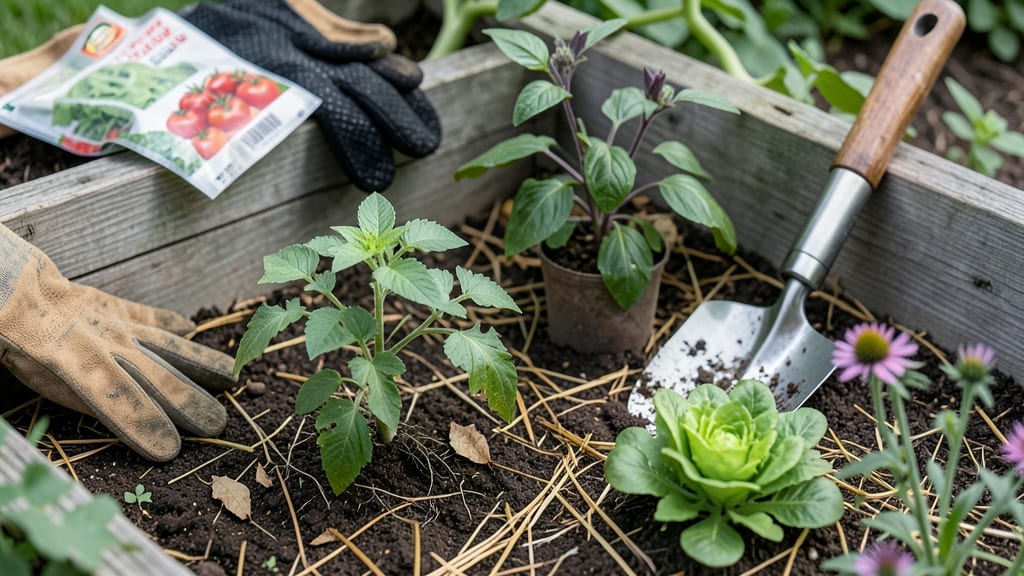
To plant a garden in Kentucky, aim for early spring or late spring — timing depends on whether you’re sowing cool-season crops like lettuce or warm-season ones like tomatoes.
Kentucky’s unpredictable spring frosts can turn a well-planned garden into a sad memory if you’re not careful. One late freeze and your seedlings might not survive, leaving you scrambling to replant.
This guide breaks down the best planting windows for Kentucky’s USDA Zones 5b-7a, including frost dates, soil prep tips, and region-specific advice to help you avoid common mistakes.
You’ll learn how to extend your growing season, choose the right crops for each season, and even troubleshoot issues like overcrowding or soil prep errors that can ruin your harvest.
Kentucky planting dates by USDA zone: exact weeks for cool-season vs. warm-season crops
Kentucky spans USDA zones 5b through 7a, meaning your planting schedule should account for last frost dates (typically late April to early May) and first frost dates (mid-October to early November).
The Bluegrass region (zones 6a-7a) enjoys slightly longer growing seasons than the Pennyrile area (zones 5b-6a), so adjust timing accordingly. Cool-season crops like lettuce and peas thrive in spring and fall, while tomatoes and beans need warm soil and air temperatures.
For zone 5b (northern Kentucky), start cool-season crops 4-6 weeks before last frost (late March) and plant warm-season crops 2 weeks after last frost (mid-May). In zone 7a (southern Kentucky), you can plant cool-season crops 2-3 weeks later and extend warm-season planting until early July.
Always check your local Almanac’s frost data for precise dates.
Here’s a crop-specific breakdown of when to plant in Kentucky, tailored to your zone and microclimate:
In zone 5b, focus on early spring planting (March-April) for cool-season crops like spinach and peas, as late frosts are common. Use black plastic mulch to warm soil faster for warm-season crops.
For zone 7a, you can push warm-season planting into early July for a fall harvest, but prioritize heat-tolerant varieties like Okra or Southern Peas.
For Bluegrass region gardeners, consider microclimates—south-facing slopes warm up faster, while low-lying areas may stay cooler. Test soil temperature with a soil thermometer before planting warm-season crops; aim for 60°F for tomatoes and 70°F for cucumbers.
In Pennyrile, where nights are cooler, opt for shorter-maturing varieties of warm-season crops.
Succession planting is key in Kentucky. For lettuce and beans, sow new seeds every 2-3 weeks from spring to early summer. In fall, plant radishes and turnips in August for a September-October harvest before hard frosts hit.
Always leave space for fall crops after harvesting early summer plants like peppers or eggplants.
If you’re in zone 6a or 7a, don’t rush to plant warm-season crops—wait until nighttime temperatures stay above 55°F. For zone 5b, err on the side of caution and wait until mid-May to avoid late frost damage.
Use frost cloth for an extra layer of protection if planting early in cooler zones.
For container gardening, warm-season crops like tomatoes and peppers can be planted 2-3 weeks earlier in containers, as they warm up faster. Place pots in sunny, sheltered spots to protect from wind and extend the growing season.
In fall, cool-season crops in containers can be moved to garages or cold frames to delay frost damage.
Kentucky’s clay-heavy soils can slow warming in spring. Amend beds with compost or aged manure in fall to improve drainage and warmth retention. For warm-season crops, consider raised beds, which warm
How to extend your Kentucky growing season: cold frames, row covers, and succession planting strategies
Kentucky’s short growing season—especially in USDA zones 5b-7a—can feel like a race against time. But with the right strategies, you can push harvests earlier or keep producing later into fall.
I’ve used cold frames, row covers, and succession planting to extend my harvests by 4-6 weeks each season.
Even in Kentucky’s unpredictable climate, where late spring frosts can strike as late as May 15, these low-cost methods protect tender plants while maximizing your garden’s potential.
Whether you’re growing leafy greens, root vegetables, or herbs, extending the season means fewer gaps in production and more homegrown food on your table.
5 Proven Ways to Extend Kentucky’s Growing Season
- 🌱 Row Covers: Use lightweight fabric to protect plants from light frosts (down to 25°F) and extend harvests by 3-4 weeks in spring/fall.
- 🪴 Cold Frames: Unheated boxes with transparent lids trap solar heat, letting you grow spinach or kale through December in mild winters.
- ☀️ Succession Planting: Sow radishes or lettuce every 2 weeks to ensure continuous harvests.
- 🌿 High Tunnels: Low-cost plastic hoop houses extend seasons by 6-8 weeks and protect against late frosts.
- ✂️ Harvest Strategically: Pick leafy greens regularly to encourage regrowth and prolong production.
Pro Tip: Combine row covers with succession planting for maximum efficiency!
Let’s start with row covers, the simplest and most affordable way to extend your season. These lightweight fabrics—often made from floating row covers or agricultural fabric—create a microclimate that protects plants from light frosts while allowing sunlight and water to pass through.
In my garden, I’ve used them to grow spinach and arugula as early as March 1, even when nighttime temps dip to 28°F.
For even longer extensions, consider a cold frame. Unlike greenhouses, cold frames require no heating—just a clear lid (glass or plastic) that traps sunlight during the day and releases it slowly at night.
I’ve grown baby carrots and radishes under a cold frame until mid-November, long after the first frost. Just be sure to ventilate on warm days to prevent overheating.
Succession planting is another game-changer for Kentucky gardeners. Instead of planting everything at once, stagger your sowings every 2-3 weeks for crops like bush beans, lettuce, or bok choy.
This ensures a steady supply of fresh produce without overcrowding. For example, I plant radishes every 10 days from April to September, guaranteeing a harvest every 30 days.
If you’re ready to invest a little more, a high tunnel (or low tunnel) can extend your season by 6-8 weeks on either end. These structures—made from hoops and plastic—protect plants from wind, rain, and late frosts.
I use mine to grow tomatoes and peppers 10 days earlier in spring and 4 weeks later in fall.
Finally, don’t underestimate the power of harvest timing. For leafy greens like kale or swiss chard, harvesting outer leaves regularly encourages new growth, extending production by weeks.
With these strategies, you’ll turn Kentucky’s short season into a year-round harvest—one that rivals even the longest growing regions. 🌱