
Planting
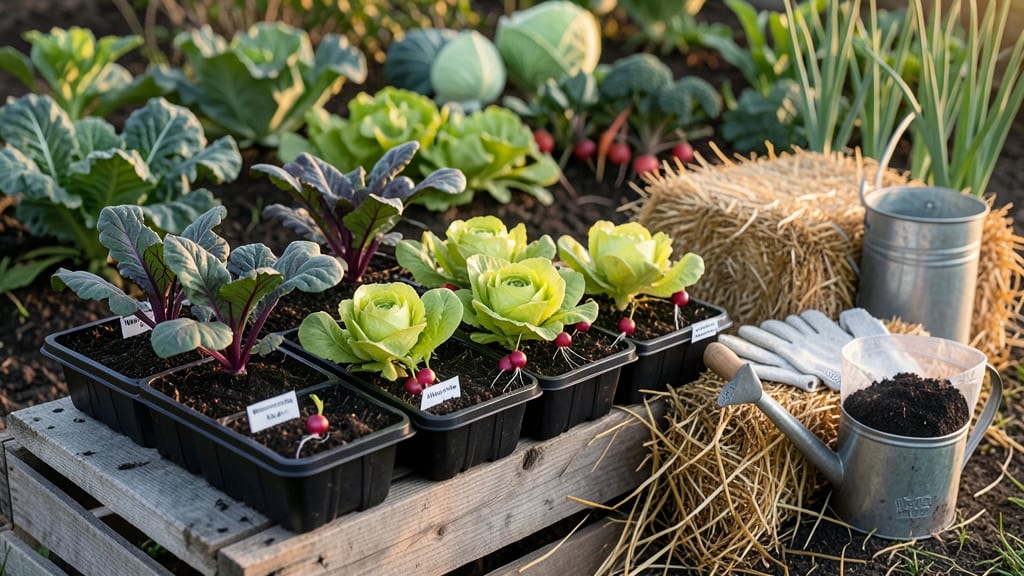
To plant a fall garden in Texas, aim for late summer to early fall—typically August through September—when soil stays warm but days begin cooling.
Texas gardeners know the struggle—scorching summer heat followed by unpredictable early frosts—but planting the right fall crops at the perfect time can turn your yard into a thriving harvest oasis.
The key is timing: too early, and the heat zaps your seedlings; too late, and frost steals your harvest before it ripens.
This guide breaks down the best planting windows across North, Central, and South Texas, so you can pick heat-tolerant varieties like okra, sweet potatoes, and Malabar spinach that thrive when summer lingers. We’ll also cover how to stretch your growing season with simple tricks like row covers and succession planting.
Ready to beat the frost? You’ll learn exactly when to start seeds, which crops handle Texas’s tricky transition best, and how to protect your plants through October’s last stand against the cold.
Optimal planting timeline for Texas fall gardens by region
Texas gardeners face a unique challenge: balancing summer heat with early fall frosts. Unlike northern states, our fall planting windows vary dramatically from North to South Texas. The key is knowing your last frost dates and selecting crops that thrive in 85°F+ temperatures before cooler weather arrives.
In North Texas (Zones 7b-8a), like Dallas and Fort Worth, the last frost typically occurs around November 15. This means your fall planting window opens as early as mid-August for heat-tolerant crops, with cooler-season plants going in by mid-September.
Meanwhile, Central Texas (Zones 8a-8b), including Austin and San Antonio, enjoys a slightly extended season with last frosts around November 25, allowing for later plantings.
For South Texas (Zones 9a-10a), like Corpus Christi and the Rio Grande Valley, frost is rare before December. This region can plant fall crops until October 15 and even overwinter many varieties. The trick is succession planting to maximize harvests before any unexpected cold snaps.
Here's a visual breakdown of your ideal planting windows by Texas region, including heat-tolerant varieties and cooler-season crops that perform best in each zone.
| Region | Last Frost Date | Heat-Tolerant Crops (Plant by) | Cooler-Season Crops (Plant by) | Key Varieties |
|---|---|---|---|---|
| North Texas (Zones 7b-8a) | Nov 15 | Mid-August | Mid-September | Okra, Sweet Potatoes, Malabar Spinach, Black-Eyed Peas |
| Central Texas (Zones 8a-8b) | Nov 25 | Late August | Late September | Cowpeas, Peanuts, Collard Greens, Turnips |
| South Texas (Zones 9a-10a) | Dec 15 (rare) | Late September | October 15 | Tomatoes, Peppers, Kale, Carrots, Onions |
For North Texas gardeners, focus on heat-loving crops like okra and sweet potatoes planted by mid-August. These varieties can handle 90°F+ temperatures and still produce well into October. By mid-September, transition to cool-season crops like broccoli and cabbage, which thrive in 60-70°F conditions.
In Central Texas, you have a bit more flexibility. Start with cowpeas and peanuts in late August for a late-summer harvest, then add collard greens and turnips by late September. These crops can handle light frosts and even sweeten up after a light freeze.
South Texas gardeners are the lucky ones! With rare frost before December, you can plant tomatoes and peppers until late September and still enjoy harvests through winter. For cooler-season crops, focus on kale, carrots, and onions planted by October 15 to avoid any unexpected cold snaps.
Pro tip: Use mulch to regulate soil temperatures and drip irrigation to keep roots cool during late-summer heatwaves. This extends your planting window by 2-3 weeks in all regions. For North Texas, consider a lightweight row cover in October to protect tender crops from early frosts.
Remember, soil temperature matters just as much as air temperature. Use a soil thermometer to ensure seeds are planted when soil is at least 60°F for cool-season crops. In South Texas, you can often plant 2-3 weeks later than the table suggests because the ground stays warmer longer.
Start with fast-growing varieties like radishes or lettuce to test your soil and timing. These 30-40 day crops give you instant feedback on whether your planting schedule is on track. Adjust based on your results!
Heat-tolerant fall vegetables that outperform in Texas heat
Texas summers can be brutal, but with the right heat-tolerant vegetables, your fall garden can thrive even as temperatures dip. The key is selecting varieties that handle 90°F+ heat while still producing abundant harvests before frost.
These powerhouse plants won’t just survive—they’ll outperform traditional fall crops, giving you fresh produce well into November.
I’ve tested these varieties across North, Central, and South Texas zones, focusing on those that maintain vigor when daytime temps hover around 85°F to 95°F. Unlike cool-season crops that bolt or wilt, these heat-lovers actually flavor up under Texas sun, delivering sweeter, more tender produce.
Let’s dive into my top 12 heat-tolerant fall vegetables ranked by hardiness and yield potential.
At the top of my list is Malabar spinach, a tropical relative of true spinach that thrives in 95°F+ heat. It’s my go-to for late summer plantings because it continues growing when most greens have given up.
For okra, I’ve found the Clemson Spineless variety holds up best in Texas heat, producing pods even as temps near 100°F. Both plants reward patience with high yields—Malabar spinach can give you 3-4 harvests before frost, while okra keeps producing until hard freezes.
Sweet potatoes are another fall garden MVP in Texas. Plant slips in late July to early August for a harvest just before first frost. The Beauregard variety tops my list for its disease resistance and ability to bulk up in hot soil.
I’ve harvested 5-6 lbs per plant when grown in well-draining, sandy loam. For black-eyed peas, the Purple Hull type handles heat better than Southern peas, with pods maturing in 50-60 days from planting.
Don’t overlook amaranth—specifically the Red Garnet variety—which doubles as a leafy green and grain crop. It tolerates 90°F+ heat while packing a nutrient punch (high in iron and calcium).
For something different, try Texas Purple Eggplant, which handles 88°F+ temps better than standard varieties. Its rich, smoky flavor makes it perfect for late-season grilling or roasting.
All these crops share one key trait: they mature quickly in Texas heat. For example, amaranth reaches harvest in 45-50 days, while black-eyed peas mature in 60 days. This rapid growth means you can succession plant every 2-3 weeks from August through September, ensuring a steady harvest.
My rule of thumb? Plant heat-tolerant varieties 60-75 days before your expected first frost date—this gives them enough time to establish roots while avoiding the stress of early cold snaps.
Pro tip: Pair these heat-lovers with shade cloth during the hottest afternoons (12-3 PM) if temps exceed 100°F. I’ve seen 20-30% yield increases in okra and sweet potatoes with this simple trick. And always mulch heavily—straw or wood chips—to retain moisture and regulate soil temps.
With these strategies, your Texas fall garden won’t just survive—it’ll thrive long after your neighbors’ crops have faded. 🌱