
Watering
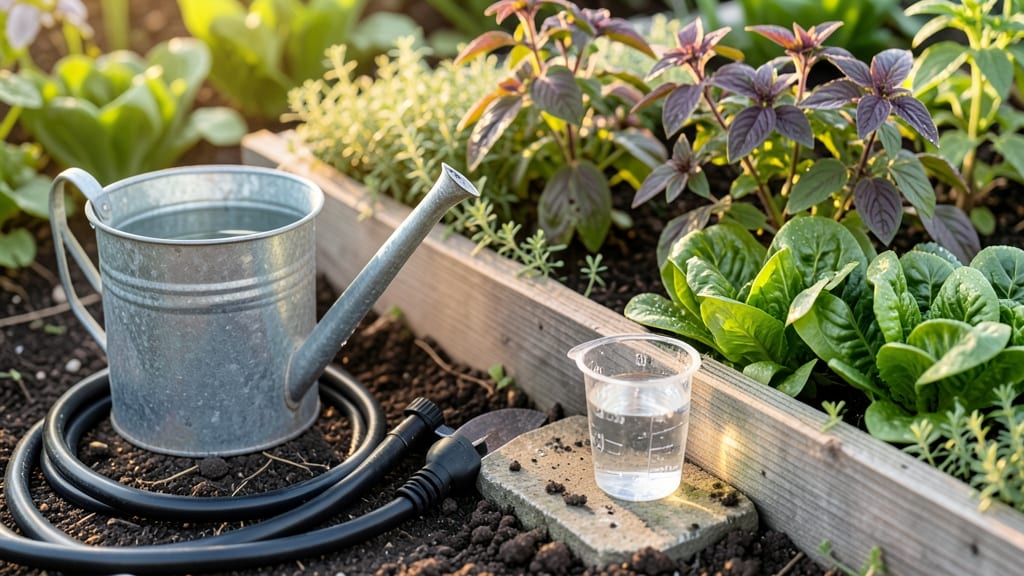
Watering your garden the right way means knowing how much to water—too little and plants wilt, too much and roots drown. Most gardeners guess, but there’s a science to it that saves time, money, and struggling plants.
Picture this: you’ve spent hours planting your 🌱 General Garden, only to watch it wither under the wrong watering routine. The truth is, 1 inch of water per week is the baseline for most plants—but soil type, season, and plant needs change that number dramatically.
In this guide, I’ll break down the exact watering schedule for vegetables, flowers, and lawns, plus how to adjust for clay soil, drought, or heavy rain. You’ll learn the 3 signs your garden is thirsty (or drowning) and the best tools to make watering effortless.
By the end, you’ll water with confidence—no more second-guessing or wasted gallons. Let’s dive into the simple system that keeps your garden lush and healthy all season long.
How much water do garden plants really need? (By plant type)
Figuring out how much to water garden plants can feel like guessing—until now. Every plant type has unique needs, from water-loving tomatoes to drought-resistant lavender. The key is understanding soil moisture, seasonal shifts, and plant categories.
Overwatering smothers roots, while underwatering stunts growth, so let’s break it down by what thrives in your garden.
Start with a simple soil moisture test: Stick your finger 1-2 inches into the soil. If it feels dry, it’s time to water. For most plants, 1 inch of water per week is a baseline—but this varies wildly.
Herbs like rosemary need almost none, while leafy greens like lettuce crave constant dampness. Adjust based on your climate, soil type, and plant maturity.
Here’s the game-changer: a plant-by-plant watering guide that cuts the guesswork. Use this table to tailor your schedule, then fine-tune as you observe your garden’s response.
Vegetables like tomatoes and peppers are thirsty beasts, especially when fruiting. Aim for 1-2 inches of water weekly, delivered deeply to encourage strong root growth. Morning watering is ideal—it reduces evaporation and fungal risks.
For leafy greens, keep soil consistently moist but never soggy; they’ll bolt (go to seed) if stressed.
Flowers often get overlooked, but hydrangeas and roses need steady moisture to bloom. Mulch heavily to lock in moisture, and adjust based on flower type: annuals (like petunias) drink more than perennials (like daylilies).
Herbs split into two camps—basil and cilantro love moisture, while thyme and rosemary thrive on neglect. Overwatering herbs leads to root rot faster than you’d think.
Shrubs and trees are the low-maintenance champions of the garden. Once established, most only need 1 inch of water every 7-10 days.
Newly planted shrubs, however, require daily watering for the first month to help roots establish. Drought-resistant plants like lavender and sedum are your secret weapon for low-water gardens—water them only when the soil is completely dry.
Seasonal shifts are everything. In summer heat, water early in the morning or late evening to prevent rapid evaporation. In winter, cut back to bi-weekly watering unless you’re growing overwintering crops.
Always check the soil moisture before watering—your thumb is the best tool you have. And remember: mulch is your best friend—it retains moisture, regulates soil temperature, and reduces weeds.
Pro tip: Use a rain gauge or tuna can to measure water output. Most hoses deliver way more than plants need! For container gardens, water when the top inch of soil is dry—potted plants dry out faster than in-ground ones.
Adjust for clay soil (holds more water) vs. sandy soil (drains quickly). With these guidelines, you’ll master the art of how much to water garden plants without a single guess.
🌱
The best watering schedule for different climates and seasons
Watering your garden isn't one-size-fits-all—it depends on where you live and what season it is. In arid climates, like the Southwest, plants need deep, infrequent watering to encourage strong root growth, while tropical regions may require daily hydration to combat humidity and heat.
Even within the same climate, seasonal shifts dramatically change watering needs, from frequent summer soakings to sparse winter care. The key is understanding your local conditions and adjusting your routine accordingly.
Timing matters just as much as how much you water. I always recommend morning watering (between 6 AM and 10 AM) to reduce evaporation and fungal risks, like powdery mildew. Evening watering can leave foliage damp overnight, creating a breeding ground for diseases.
However, in hot desert climates, late evening watering can help cool the soil and reduce heat stress on plants. Always check your local weather and adjust—rainfall can make all the difference!
In arid regions, I’ve seen dramatic improvements by switching to drip irrigation or soaker hoses, which deliver water directly to the roots where it’s needed most. This method cuts evaporation by up to 30% compared to overhead sprinklers.
For temperate zones, a simple rain gauge can help you track how much natural water your garden gets—adjust your watering schedule accordingly. I always keep one in my garden to avoid over- or under-watering.
Don’t forget to mulch your garden beds—whether you’re in a desert or a rainforest. A 2-3 inch layer of organic mulch (like straw or wood chips) locks in moisture, reduces weeds, and keeps soil temperatures stable.
In my tropical garden, mulching has cut my watering needs by nearly half during peak summer months. It’s a game-changer for efficiency and plant health.
Rainfall is your best friend when it comes to watering. Before reaching for the hose, I always check the weather forecast and use a simple rule: if you’ve gotten 1 inch of rain in a week, skip your regular watering session.
For container gardens, which dry out faster, I water every 2-3 days in summer and reduce to once a week in winter, even if it rains. Containers have no natural moisture retention, so they need extra attention.
Finally, pay attention to your plants—they’ll tell you what they need. Wilted leaves in the afternoon often mean thirst, while yellowing foliage can signal overwatering.
In my vegetable garden, I’ve learned to water tomatoes and peppers deeply every other day in summer, but cut back in fall when growth slows. The goal is to keep the soil consistently moist but never soggy.
With these adjustments, your garden will thrive year-round, no matter where you live!