
Planting
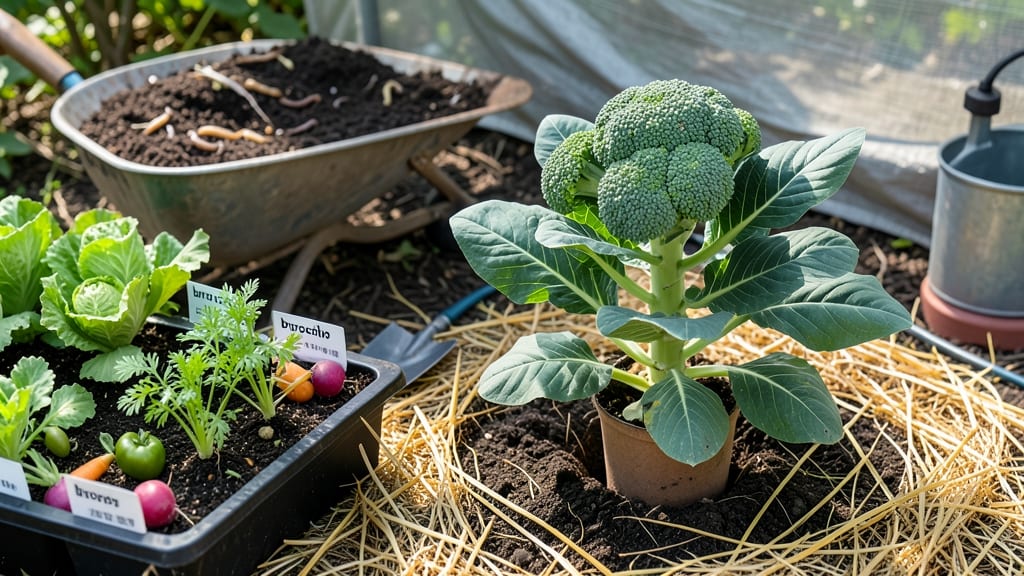
Planting a fall garden in Texas means timing is everything—miss the window, and you’ll either fry your seedlings in summer heat or lose them to early frost.
Texas gardeners know the drill: too early, and your 🥬 greens bolt before they mature; too late, and frost steals your harvest. But with 8a to 10b zones across the state, the right moment varies wildly—from late August in the Panhandle to October in South Texas.
Here’s the secret: plant 6–8 weeks before your first frost, but adjust for heat waves, soil temps, and even your local microclimate. Whether you’re sowing kale in Zone 8a or carrots in Zone 10b, this guide breaks down the exact dates—and the crops that thrive in each zone.
Skip the guesswork: learn how to stretch your season with row covers, pick the fastest-maturing varieties, and avoid the top three mistakes that kill Texas fall gardens.
Texas heat Zone planting calendar: exact months to start fall vegetables
Texas’ diverse USDA heat zones (8a–10b) create wildly different planting windows for fall vegetables. In Zone 8a, where first frosts can arrive by mid-November, you’ll need to start 6–8 weeks earlier than gardeners in Zone 10b, where frost rarely hits before December 15th.
The key? Planting cool-season crops like kale, broccoli, and carrots at the right time to avoid heat stress or early frost damage.
For leafy greens and root vegetables, timing is everything. In northern Texas (Zones 8a–8b), you’ll want to sow seeds by mid-August for a harvest before winter. Meanwhile, South Texas (Zones 9b–10b) gardeners can stretch planting into early October without rushing.
Below, I’ve broken down the exact planting windows for your zone, plus adjustments for early vs. late varieties.
| USDA Zone | First Frost Date | Ideal Planting Window | Best Crops for Zone | Adjustments for Varieties |
|---|---|---|---|---|
| 8a (North Texas) | Nov 15–Dec 1 | Aug 1–Sep 15 | Kale, Broccoli, Carrots, Spinach, Radishes | Early varieties: Aug 1; Late: Sep 1 |
| 8b (Central Texas) | Nov 30–Dec 10 | Aug 15–Sep 30 | Lettuce, Collards, Turnips, Green Onions, Peas | Early: Aug 15; Late: Oct 1 |
| 9a (East/Central TX) | Dec 1–Dec 15 | Sep 1–Oct 15 | Cabbage, Brussels Sprouts, Beets, Swiss Chard | Early: Sep 1; Late: Oct 10 |
| 9b (South/Central TX) | Dec 15–Jan 1 | Sep 15–Oct 30 | Mustard Greens, Arugula, Radishes, Green Beans | Early: Sep 15; Late: Nov 1 |
| 10a (Deep South TX) | Jan 1–Jan 15 | Oct 1–Nov 15 | Lettuce, Spinach, Peas, Carrots, Onions | Early: Oct 1; Late: Nov 10 |
| 10b (Rio Grande Valley) | Jan 15–Feb 1 | Oct 15–Dec 1 | Broccoli, Kale, Collards, Radishes, Peppers (slow growers) | Early: Oct 15; Late: Nov 20 |
If you’re in Zone 8a, start broccoli and cabbage by August 1st—these slow growers need 60–80 days to mature before frost. Meanwhile, fast growers like radishes and lettuce can wait until mid-September in the same zone.
In Zone 10b, you’ve got flexibility: plant kale and collards as late as November 1st and still enjoy harvests through January.
Pro tip: For zones 8a–9a, use shade cloth in late summer to protect seedlings from 90°F+ soil temps, which can stunt growth. In Zones 9b–10b, focus on succession planting every 2–3 weeks to stagger harvests. For example, sow carrots on September 1st, 15
How to adjust planting dates for Texas’ unpredictable weather patterns
Texas’ fall weather can shift faster than a 100-degree day to a freezing morning—leaving gardeners scrambling to adjust planting timelines. The key is flexibility: late summer heat waves can delay cool-season crops, while early frosts in North Texas might strike by November.
Microclimates add another layer, with Hill Country staying warmer longer than East Texas plains. Here’s how to stay ahead of Mother Nature’s curveballs.
First, check your USDA heat zone—Texas spans 8a to 10b, meaning frost dates vary wildly. For example, Zone 8a (North Texas) may see frost by mid-November, while Zone 10a (Deep South) might hold off until December 15th.
Use these dates as a starting point, not a rulebook. I’ve learned to plant fast-maturing crops like radishes or spinach 2 weeks earlier than the calendar suggests, just in case.
🌱 3 Pro Tips to Adjust Planting Dates
- 📅 Shift dates 1-2 weeks earlier if summer heat lingers. Monitor soil temps—keep them below 80°F for seed germination. Use a soil thermometer to track daily changes.
- 🌡️ Plan for microclimates: Low-lying areas frost faster. Elevate beds or use black plastic mulch to warm soil in early fall. In West Texas, plant near south-facing walls for extra heat retention.
- ❄️ Extend the season with protection: Use row covers or cold frames to delay frost by 2-4 weeks. For example, broccoli planted in mid-October under a cover can survive until December in Zone 8a.
For North Texas gardeners, I recommend starting cool-season seeds indoors by mid-August to transplant outdoors in September. This gives seedlings a head start before September heat spikes.
In South Texas, you can push planting until late September—just be ready to shade young plants with floating row covers if a 95°F day sneaks in.
Don’t forget succession planting: Sow fast crops like lettuce every 2 weeks from August through October to ensure a continuous harvest. I’ve had three successful lettuce harvests in a single fall by staggering plantings. Pair slow growers (like cabbage) with quick pickers (like radishes) to maximize space.
When frost threatens, act fast: Harvest leafy greens before frost hits, but leave root crops (like carrots) in the ground—they’ll sweeten with a light frost. For brassicas, use burlap sacks to protect heads overnight.
I once saved an entire broccoli crop from a 28°F night by covering it with cardboard boxes—a hack that works surprisingly well.
Finally, keep a gardening journal to track your local frost dates and heat patterns. Note when unexpected heat waves or early frosts occur—this data will help you fine-tune next year’s planting schedule.
Over time, you’ll develop a customized calendar that beats Texas’ unpredictable weather every time. The goal? A longer harvest window and fewer wasted seeds.