
Planting
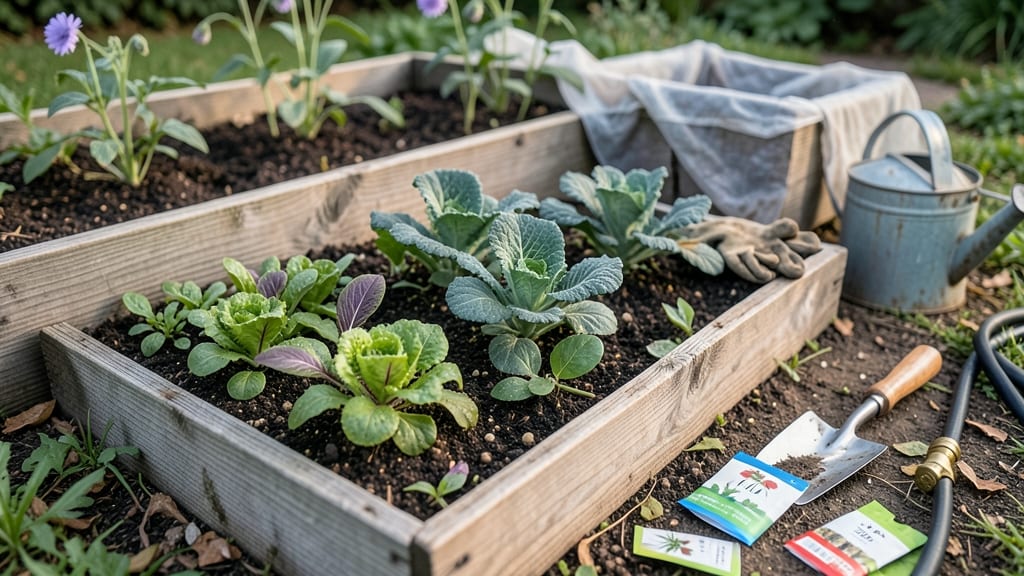
Planting a garden in Cleveland, Ohio after the last frost date means timing your seeds and transplants for the 165-day frost-free window that starts around mid-April.
Cleveland’s unpredictable weather can make timing your garden planting feel like a high-stakes gamble—but mastering the frost-free window transforms guesswork into guaranteed harvests. Whether you're a first-time gardener or a seasoned green thumb, these month-by-month planting guidelines will help you align your garden with Cleveland’s climate for maximum success.
Cool-season crops like spinach and peas can go in as early as late March, while warm-season favorites like tomatoes and peppers need to wait until May 1 or later, when soil temperatures hit 50°F.
Missing these windows often means frost damage or stunted growth, and no one wants to watch their hard work wither away.
Below, I’ll break down the exact planting windows for General Garden Plants 🌱, share proven strategies to extend your growing season, and reveal the most common mistakes Cleveland gardeners make—and how to avoid them. Let’s get those seeds in the ground the right way!
Cleveland Ohio frost dates by month: the exact planting windows for vegetables, herbs & flowers
Cleveland’s USDA Zone 6a/6b climate means your planting schedule hinges on two critical dates: the average last frost (April 15–May 1) and the first frost (October 15–November 1). These dates define your 165-day frost-free window, the golden period for growing everything from cool-season greens to heat-loving tomatoes.
Microclimates near Lake Erie or in urban areas can shift these dates by 1–2 weeks, so always check your local soil temperature (aim for 50°F+ for warm crops).
For cool-season crops like spinach, kale, and peas, you can start seeds indoors in March or directly sow them 2–4 weeks before the last frost. These hardy plants thrive in 40–60°F soil and can even tolerate light frosts.
Meanwhile, warm-season favorites such as tomatoes, peppers, and cucumbers need to wait until after May 1 when nighttime temps stay above 55°F. Planning ahead ensures your garden avoids the frost damage that can wipe out tender seedlings.
| Month | Planting Window | Cool-Season Crops | Warm-Season Crops | Soil Temp |
|---|---|---|---|---|
| March | Start indoors | Spinach, Kale, Peas | — | 40–50°F |
| April | Direct sow after April 15 | Lettuce, Radishes, Carrots | Transplant basil | 50–60°F |
| May | After May 1 (last frost) | Broccoli, Cabbage | Tomatoes, Peppers, Cucumbers | 60°F+ |
| June | Succession plant | Green Onions, Arugula | Beans, Squash, Corn | 65°F+ |
| July–Aug | Late summer | — | Sweet Potatoes, Pumpkins | 70°F+ |
| September | Hardy fall crops | Spinach, Radishes, Lettuce | — | 50°F+ |
In March, focus on cool-season vegetables like spinach and peas, which can handle light frosts and even prefer cooler weather. Start seeds indoors or sow directly into well-draining soil enriched with compost.
If you’re growing herbs like cilantro or parsley, they’ll thrive in March’s cooler temps and can be harvested before summer heat sets in. For flowers, pansies and violas are perfect for early spring color and can tolerate brief chills.
By April, the risk of frost drops significantly, making it ideal for direct-sowing lettuce, radishes, and carrots. These crops mature quickly, giving you early harvests before summer heat arrives.
If you’re eager to plant tomatoes or peppers, start them indoors now—they’ll need 6–8 weeks of warmth before transplanting after the last frost. Basil, another warm-season herb, can be started indoors in April to give it a head start for late-May planting.
Once you’ve passed the average last frost date (May 1), the warm-season planting window opens wide. This is your cue to transplant tomatoes, peppers, and cucumbers into the garden, as well as direct-sow beans, squash, and corn.
These plants thrive in 60°F+ soil and need consistent moisture to establish strong roots. For flowers, marigolds and zinnias are excellent choices—they bloom all summer and attract pollinators, boosting your vegetable yields.
Cleveland’s microclimates can create surprises, so always monitor your garden’s specific conditions. Areas near Lake Erie may experience delayed frosts, while urban heat islands can push soil temperatures up earlier. Use frost cloth or row covers to protect tender seedlings if nighttime temps dip below 50°F.
For herbs like dill and parsley, which bolt in heat, succession planting every 2–3 weeks ensures a continuous harvest.
As summer winds down, late summer planting (July–August) focuses on heat-tolerant crops like sweet potatoes, pumpkins, and okra. These plants need warm soil and can handle the late-season heat before the first frost. For cool-season crops, start spinach and radishes
How to extend Cleveland’s short growing season: 5 proven techniques for earlier harvests
Cleveland’s 165 frost-free days can feel like a tight squeeze for gardeners eager to grow a bountiful harvest. But with the right strategies, you can extend your growing season by weeks—even months!
The key lies in protecting tender plants, optimizing planting schedules, and choosing heat-tolerant varieties that thrive in Cleveland’s USDA Zone 6a climate. Let’s dive into five actionable techniques that will help you push your harvest timeline and enjoy fresh produce well into fall.
One of the most effective ways to start plants earlier is by using cold frames or row covers. These simple structures create a microclimate that traps heat and protects seedlings from late spring frosts.
For example, I’ve used floating row covers to plant spinach and lettuce as early as mid-March, giving me a head start on the season. Even better, these covers also deter pests like cabbage moths and flea beetles, reducing the need for chemical interventions.
Here’s how you can maximize your growing season with these proven techniques:
-
1Cold Frames: Start cool-season crops like kale and peas in late February under a cold frame. These low-cost structures can raise soil temps by 10-15°F, allowing you to plant weeks before the traditional window.
-
2Row Covers: Use floating row covers to extend the season for warm-season crops like tomatoes and peppers until early November. These covers also protect from pests while allowing sunlight and water to penetrate.
-
3Succession Planting: Stagger plantings of fast-growing crops like radishes and lettuce every 2-3 weeks to ensure a continuous harvest. This technique works especially well for greens and herbs that mature quickly.
-
4Heat-Tolerant Varieties: Choose disease-resistant and heat-loving varieties like ‘Early Girl’ tomatoes or ‘Black Krim’ cucumbers. These varieties can thrive in Cleveland’s summer heat and produce well even when temps climb.
-
5Season Extenders: Use hoop houses or low tunnels to create a greenhouse-like environment. These can extend the season by 4-6 weeks on either end, allowing you to grow spinach in October or bush beans in June.
Let’s compare traditional planting timelines with extended-season strategies for some of Cleveland’s most popular crops. For example, lettuce traditionally planted in April and May can be grown as early as March under row covers and as late as September with cold frames.
Similarly, beans planted in May and June can be extended to late July using shade cloth to protect them from the hottest summer days.
Another game-changer is succession planting. Instead of planting all your carrots or radishes at once, try planting half in April and the other half in May. This ensures you’ll have a steady supply of fresh produce throughout the season.
I’ve found that radishes mature in just 25 days, so planting them every 2 weeks keeps my table stocked with crisp, peppery treats all summer long.
Don’t forget to monitor soil temperatures—most cool-season crops need soil temps of at least 40°F, while warm-season crops like tomatoes and peppers require 60°F or warmer. Using a soil thermometer can help you time your plantings perfectly and avoid disappointment.
With these techniques, you’ll transform Cleveland’s short growing season into a long, productive harvest that keeps your garden thriving from spring to fall.