
Planting
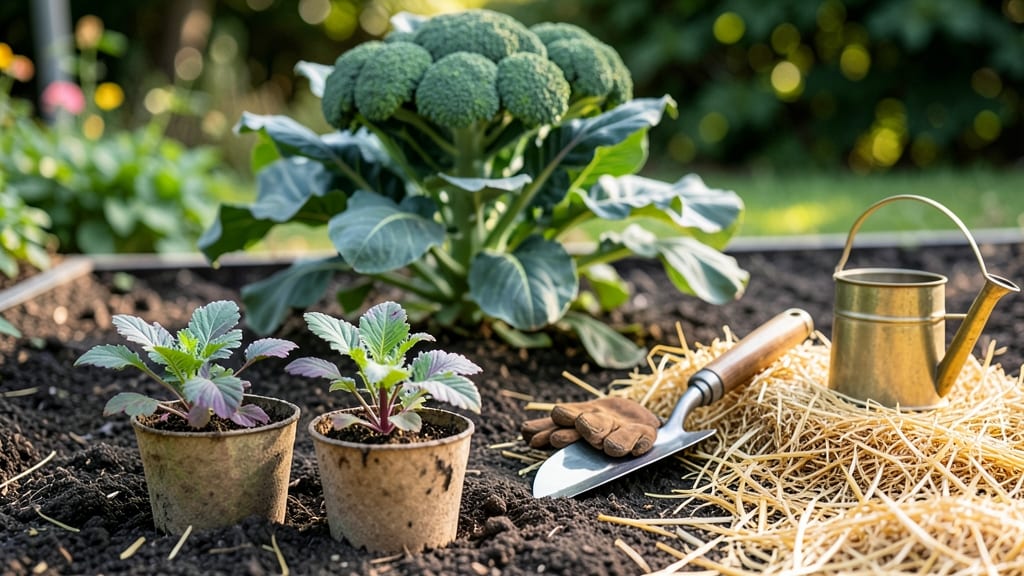
Planting a fall garden in North Texas between mid-August and early October is your ticket to fresh, homegrown veggies just as summer fades.
North Texas gardeners know timing is everything—plant too early, and your fall crops will bolt in the heat; too late, and frost will ruin your harvest. But with the right schedule, you can enjoy fresh greens, root vegetables, and more from September through December.
This isn’t just about avoiding frost—it’s about working with North Texas’s unique microclimates, from the dry heat of West Texas to the humid stretches of East Texas. The key? Planting 6-8 weeks before your first frost (usually mid-November) while still giving your crops enough time to mature.
Below, I’ll break down the exact dates for your favorite fall vegetables, soil prep tips to beat the heat, and how to stretch your harvest until December—no guesswork, just proven results for USDA Zone 8a.
North Texas fall planting calendar: exact dates by crop type
Timing your fall garden in North Texas means beating the heat while avoiding early frosts—typically between mid-August and early October.
The average first frost date for Dallas and Fort Worth falls around November 15, but microclimates (like elevated areas or urban heat islands) can shift this by 1-2 weeks. Plan to plant cool-season crops 6-8 weeks before frost for a successful harvest.
For leafy greens and herbs, start seeds indoors in late July to early August and transplant outdoors by mid-September. Brassicas like broccoli and cabbage need even earlier starts—late July for transplants or early August for direct sowing.
Root crops like carrots and beets can handle cooler soils, so sow them late August through September for a winter harvest.
Here’s your planting timeline broken down by crop type, tailored to North Texas’ USDA Zone 8a conditions:
| Crop Type | Planting Window | Days to Maturity | Sun Needs | Notes |
|---|---|---|---|---|
| Leafy Greens (Lettuce, Spinach, Kale) | Late July (indoors) / Mid-Sept (outdoors) | 30–60 days | Full sun to partial shade | Sow every 2 weeks for continuous harvest. Use shade cloth if temps exceed 85°F. |
| Brassicas (Broccoli, Cabbage, Cauliflower) | Late July (transplants) / Early Aug (direct sow) | 60–90 days | Full sun | Head starts prevent bolting. Harvest before hard frost (28°F). |
| Root Crops (Carrots, Beets, Radishes) | Late Aug–Sept | 45–70 days | Full sun | Loosen soil to prevent forking. Radishes mature fastest—plant first! |
| Herbs (Cilantro, Parsley, Dill) | Late July (indoors) / Sept (outdoors) | 30–50 days | Partial shade | Cilantro bolts quickly—harvest leaves before flowering. |
| Peas & Green Beans | Mid-Sept–Oct | 50–70 days | Full sun | Plant after soil temps drop below 80°F. Use trellises for peas. |
Adjust your schedule if you’re in a warmer microclimate (e.g., Fort Worth’s urban areas) by planting 1-2 weeks later. Conversely, higher elevations (like Denton or Hill Country) may need earlier starts to avoid frost.
Always check your local frost date—use the Texas A&M AgriLife Extension frost probability maps for precision.
For slow-growing crops like broccoli or cauliflower, prioritize mid-September planting to ensure they mature before the first hard frost (typically November 15–30). If you miss this window, consider cold-hardy varieties like kale or Swiss chard, which can survive light frosts and even improve flavor.
Pro tip: Succession plant fast-maturing crops like radishes or bush beans every 2 weeks to maximize your harvest window. This keeps your garden productive well into December, when many crops are still thriving under North Texas’ cool, crisp air.
Soil prep is critical—amend beds with compost in late August to improve drainage and fertility. Test your soil pH (ideal: 6.0–7.0 for most fall crops) and adjust with lime or sulfur if needed. Mulch with straw or leaves to retain moisture and suppress weeds as temperatures drop.
Don’t forget herbs like cilantro and parsley, which thrive in fall’s cooler weather. Plant them in partial shade to prevent bolting, and harvest leaves regularly to encourage bushier growth. Dill and fennel are also great additions—they’ll attract beneficial insects like ladybugs to your garden.
With this schedule, you’ll enjoy fresh salads in October, roasted root vegetables in November, and herbs for holiday cooking well into December. Happy planting! 🌱
How to adjust your planting schedule for North Texas weather patterns
North Texas weather can be unpredictable—one day it's scorching, the next it's a surprise frost. These weather fluctuations make fall gardening tricky, but understanding local patterns helps you adjust planting times for success. The key is balancing heat tolerance with frost readiness in your crops.
Start by checking your local frost dates. In Dallas and Fort Worth, the average first frost hits around November 15, but early frosts can occur as soon as October 20.
Planting too early risks heat stress, while late planting may leave crops vulnerable to cold. Aim for 6-8 weeks before frost for most fall vegetables.
⚠️ callout warning ⚠️
Even in fall, 90°F+ days can linger into October. If your soil stays above 75°F, seedlings may bolt or wilt. Use shade cloth or plant heat-tolerant varieties like Malabar spinach or Swiss chard to extend your window.
Soil temperature matters just as much as air temperature. Use a soil thermometer to check depths—ideal ranges are 60-70°F for most cool-season crops. If your soil runs hotter, wait until late August or early September to sow seeds or transplant seedlings. Root crops like carrots and beets need cooler soils to develop properly.
Extend your growing season with protective covers. Row covers (floating fabric) add 2-4°F protection and can delay frost damage by 2-3 weeks.
For hardy crops like kale or broccoli, use them until late November. Cold frames or low tunnels work even better, letting you harvest greens until Christmas or beyond.
Don’t forget about microclimates. South-facing beds warm up faster than north-facing ones, while shaded areas stay cooler. Adjust planting times by 1-2 weeks for these spots. For example, plant lettuce in shaded areas in early September, but wait until mid-September in full sun.
Monitor your garden daily in fall. Morning frost warnings mean it’s time to cover tender crops. Keep a planting journal to track what thrives in your zone—next year, you’ll nail the perfect schedule! With these adjustments, you’ll enjoy a bountiful fall harvest despite North Texas’ quirks. 🌱