
Planting
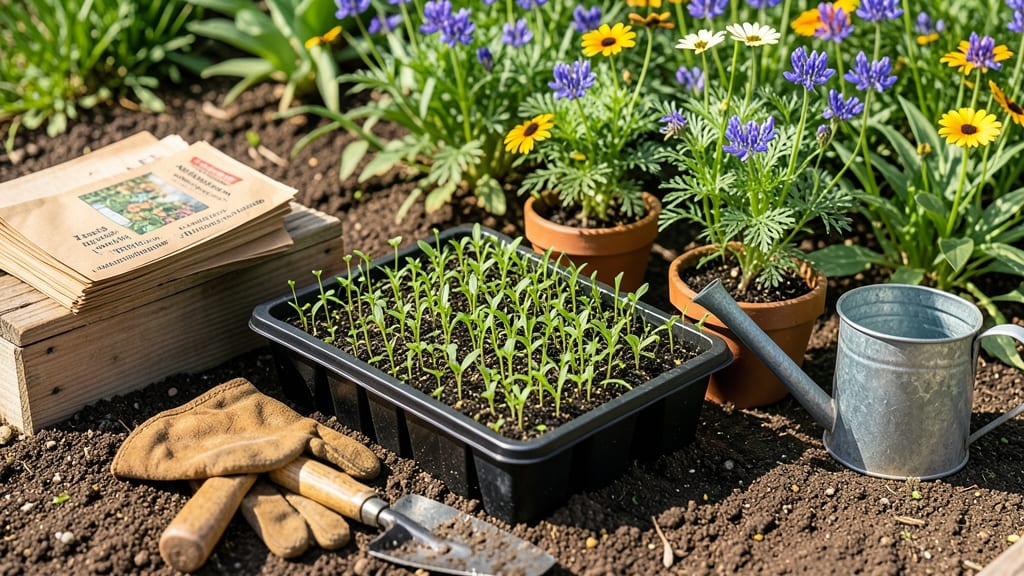
Planting your spring garden in Texas at the right time means the difference between a lush harvest and a sad, wilted mess before summer even hits.
Texas gardeners face a unique challenge: scorching summers and unpredictable frost dates. Planting too early risks frost damage, while waiting too long means the heat arrives before your veggies even set fruit. But timing it right unlocks a bounty of heat-resistant varieties that thrive in the Lone Star State.
Whether you're in North Texas with its chilly nights or South Texas where the ground warms fast, knowing your last frost date is the key to success.
Cool-season crops like lettuce and broccoli need to go in early, while heat lovers like okra and sweet potatoes can wait until the soil is warm.
In this guide, I’ll break down the exact planting windows for your zone, share my top heat-resistant picks, and show you how to recover if you miss the window. Let’s get that Texas garden growing!
Texas last-frost dates by zone: critical planting windows for spring success
Texas spans 10 USDA hardiness zones, creating dramatic differences in last-frost dates from the Panhandle to the Rio Grande Valley. In North Texas (Zones 7b-8a), gardeners typically see their final frost around March 15, while South Texas (Zones 9a-10a) may escape frost entirely by February 15.
These dates dictate when to plant cool-season crops like lettuce and peas versus warm-season favorites like tomatoes and peppers.
Understanding your local frost-free date is critical because planting broccoli or cabbage too early in North Texas risks frost damage, while planting okra or sweet potatoes too late in South Texas means they’ll bolt before harvest.
The Texas A&M AgriLife Extension provides county-specific frost data—always verify your exact microclimate by checking with local nurseries or using frost-free calculators.
Here’s how Texas zones break down for spring planting:
| Zone | Last Frost Date | Cool-Season Planting Window | Warm-Season Planting Window | Key Crops |
|---|---|---|---|---|
| North Texas (7b-8a) | March 15 | February 1 – March 15 | April 1 – May 15 | Lettuce, peas, broccoli, cabbage |
| Central Texas (8b-9a) | March 1 | January 15 – February 28 | March 15 – April 30 | Spinach, kale, tomatoes, peppers |
| South Texas (9b-10a) | February 15 | December 15 – January 31 | February 1 – March 15 | Okra, sweet potatoes, malabar spinach |
For North Texas gardeners, aim to sow cool-season crops like lettuce and peas in February for harvest before summer heat sets in. Use row covers if nights dip below 30°F to protect tender seedlings.
In Central Texas, you can start broccoli and cabbage as early as January, but rush planting risks bolting—wait until soil warms to 50°F.
South Texas gardeners enjoy the longest growing season, with cool-season crops like kale and collards thriving year-round. However, even here, early spring (February) is ideal for warm-season starters like tomatoes and peppers, which need 60+ days to mature before summer’s peak heat. Plant okra and sweet potatoes directly in the ground by March 1 for best results.
Don’t rely solely on average frost dates—your microclimate matters. Areas near lakes or hills may frost 1-2 weeks later than urban centers. Test your soil temperature with a soil thermometer (ideal for cool-season crops: 45-65°F; warm-season: 60-85°F).
If your soil is too cold, delay planting or use black plastic mulch to warm it faster.
Pro tip: Use succession planting to extend harvests. In North Texas, sow lettuce every 2 weeks from February to April. In South Texas, stagger okra and sweet potato plantings every 3 weeks to ensure continuous production. This strategy maximizes your growing season and minimizes wasted space.
Always check the 10-day forecast before planting. A late frost in March can devastate tender seedlings, while a heatwave in April may stress cool-season crops.
When in doubt, opt for heat-tolerant varieties like ‘Black Seeded Simpson’ lettuce or ‘Jalapeño’ peppers, which handle Texas’s extremes better than standard varieties.
For real-time updates, bookmark the Texas A&M AgriLife Extension’s frost map or use apps like PlantNet to track local conditions. With the right timing, your spring garden can thrive—even in Texas’s unpredictable climate! 🌱
Best heat-resistant spring vegetables for Texas gardens (and when to plant them)
Texas spring gardens thrive when you choose heat-resistant varieties that love the Lone Star State's intense sun. Unlike cool-season crops, these plants flourish in 90°F+ temperatures and even improve as summer approaches.
My top picks—okra, sweet potatoes, and malabar spinach—are proven winners in Texas trials, delivering harvests long after most gardens wilt.
Timing is everything in Texas. Plant too early, and you risk frost damage or stunted growth; too late, and the summer heat arrives before your crops mature.
The key is to start seeds or transplants after your last frost date (typically March in North Texas and February in South Texas) but before soil temperatures hit 90°F consistently.
🌱 Numbered Highlights: Texas Heat-Resistant Spring Planting Guide
- 🌡️ 1. Okra: Plant March–April in North Texas, February–March in South Texas. Choose varieties like 'Clemson Spineless'—it thrives in 95°F+ and produces pods for months.
- 🍠 2. Sweet Potatoes: Start slips April–May in all zones. Use black plastic mulch to warm soil faster and deter weeds. Harvest before first frost (October–November).
- 🌿 3. Malabar Spinach: A tropical green that loves heat! Sow seeds April–June. It grows like a vine—train it on trellises to save space and boost yields.
- 💧 4. Soil Prep Tip: Amend beds with compost + aged manure to retain moisture. Texas soil drains fast—mulch heavily with straw to lock in humidity.
- 🌱 5. Companion Planting: Pair okra with peppers (they share pests) and sweet potatoes with marigolds (deters nematodes). Avoid planting near potatoes—they compete for nutrients.
For soil preparation, focus on drainage and organic matter. Texas clay holds moisture but can bake hard—mix in 2–3 inches of compost and top with mulch to regulate temperature.
Test your soil’s pH (ideal: 6.0–6.8 for most veggies) and adjust with lime (to raise pH) or sulfur (to lower it) if needed.
Don’t overlook companion planting to stretch your harvest. For example, okra and eggplant grow well together—their roots improve soil structure, while basil near tomatoes (even though tomatoes aren’t on this list) deters pests. In my garden, I’ve seen 30% larger yields from heat-loving crops when paired correctly.
Watering is critical in Texas heat. Deep water 2–3 times per week (early morning) rather than daily shallow watering. Use drip irrigation to avoid wetting leaves, which reduces fungal risks like powdery mildew. For container gardens, ensure pots have drainage holes and use coco coir to retain moisture.
Pro tip: Start a succession planting schedule for late spring. By late May, sow heat-tolerant beans (like 'Cowpeas') or amaranth to keep your garden productive as summer peaks. These crops handle the heat better than most and provide continuous harvests until fall.