
Planting
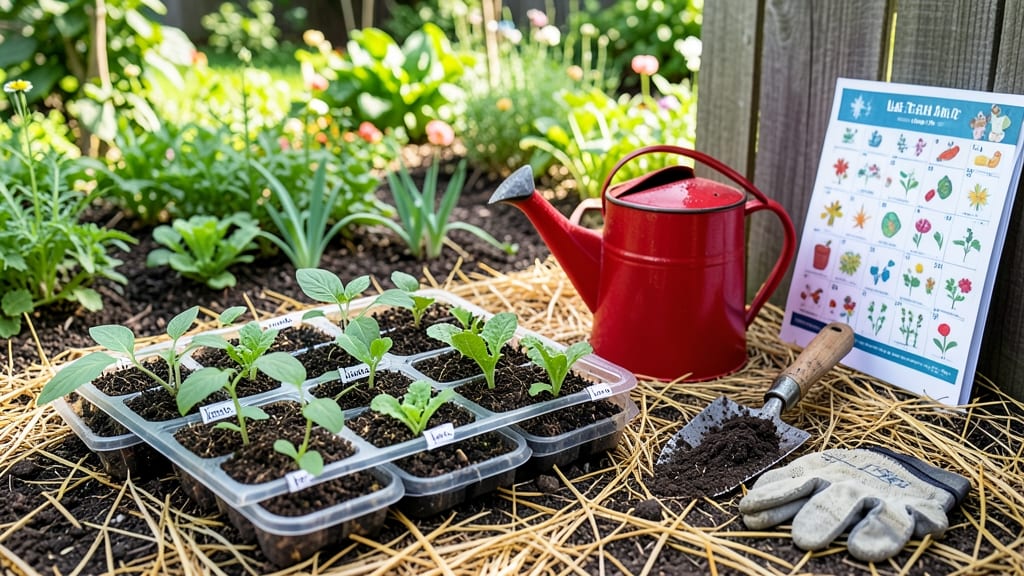
Planting your garden in Ohio at the right time means the difference between a bountiful harvest and a sad pile of frost-nipped seedlings 🌱.
Ohio’s unpredictable spring weather can turn your gardening dreams into a gamble—but knowing the exact planting deadlines for your specific zone means you’ll avoid frost, maximize growth, and harvest like a pro.
With USDA zones 6a-6b and last frost dates hovering around mid-April, timing is everything. Cool-season crops like lettuce and peas can go in as early as late March, while heat-lovers like tomatoes and peppers need to wait until soil warms to 60°F.
Below, I’ll break down the best planting windows for Ohio’s top vegetables, flowers, and perennials—plus how to adjust for your microclimate, whether you’re in urban Columbus or rural Appalachia.
Ohio planting zones & last frost dates: your 2024 gardening calendar
Ohio spans USDA zones 5a through 6b, meaning gardeners here enjoy a moderate climate with 165 frost-free days on average. But those dates shift 1-2 weeks depending on whether you're in urban Columbus or rural Appalachia.
Knowing your exact last frost date separates successful harvests from sad, frost-nipped seedlings.
For cool-season crops like lettuce and peas, you can start seeds 4-6 weeks before your last frost. Warm-season plants like tomatoes and peppers, however, need soil temperatures above 60°F—usually 2 weeks after that final frost.
Urban areas tend to warm up 5-7 days faster than rural zones due to the heat island effect.
Here’s the zone-by-zone breakdown of Ohio’s last frost dates and planting windows, plus microclimate tips to adjust for your specific location:
| Zone | Last Frost Date | First Frost Date | Cool-Season Planting | Warm-Season Planting | Microclimate Note |
|---|---|---|---|---|---|
| 5a (Northeast OH) | April 25–May 5 | October 10–20 | Start indoors March 15 | Wait until May 15 | Cold air pockets in valleys |
| 5b (Northeast/Central OH) | April 15–25 | October 5–15 | Start indoors March 1 | Wait until May 1 | Urban areas warm 5–7 days earlier |
| 6a (Southwest/Central OH) | April 5–15 | October 20–November 1 | Direct sow March 15 | Plant after April 20 | Rural areas may have late frosts |
| 6b (Southwest OH) | March 25–April 5 | October 25–November 5 | Direct sow March 1 | Plant after April 10 | Longest growing season |
If you’re in zone 5a or 5b, I recommend using row covers to extend your cool-season planting by 2-3 weeks. For zone 6a/b, you can push warm-season crops like cucumbers or squash into early July plantings for a fall harvest before the first frost.
Urban gardeners should also watch for microclimates. South-facing walls or blacktop surfaces can create 5°F warmer pockets, letting you plant tomatoes 1-2 weeks earlier. Conversely, low-lying areas or shady spots may need hardier varieties or delayed planting.
For perennials and shrubs, plant in early spring (April) while soil is workable but before summer heat sets in. Bulbs like tulips should go in October, giving roots time to establish before winter. Always test soil temperature with a probe—60°F+ is ideal for most warm-season crops.
Pro tip: Set up a frost alert system using local weather apps like NOAA’s Frost Prediction. I’ve caught late frosts in May that wiped out my pepper seedlings—now I use frost cloth as a backup.
Adjust your planting schedule annually based on these alerts to stay ahead of Ohio’s unpredictable weather patterns.
Remember, soil temperature matters more than air temperature. Use a soil thermometer to confirm 60°F+ for warm-season crops. If your soil is below 50°F, wait—even if the air feels warm. This small step can double your success rate for heat-loving plants like eggplants and peppers.
🌱
When to plant Ohio’s top 10 vegetables: month-by-month survival guide
Ohio’s gardening season hinges on timing—plant too early and a late frost will wipe out your seedlings, but wait too long and you’ll miss peak harvests. The key is knowing exact planting windows for each crop, plus how to use row covers to stretch those critical early and late-season opportunities.
With Ohio’s USDA zones 5a-6b and average last frost around April 15, these deadlines ensure your garden thrives from spring to fall.
For cool-season crops like lettuce and peas, you’ve got a 6-week window before summer heat takes over. Meanwhile, warm-season stars like tomatoes and peppers need soil temps above 60°F—waiting for mid-May gives them the best start.
And don’t forget succession planting: sowing beans every 2 weeks means a continuous harvest instead of one big feast.
📅 Ohio Planting Timeline: Top 10 Vegetables
- March 15–April 15: Start cool-season crops indoors (lettuce, spinach) or under row covers (peas, radishes)
- April 15–May 1: Plant hardy greens (kale, Swiss chard) and root veggies (carrots, beets) after last frost
- May 1–15: Warm up soil for tomatoes, peppers, and eggplants (use black plastic mulch to speed warming)
- June 1–July 15: Direct-sow beans, cucumbers, and squash—these thrive in heat and don’t mind poor soil
- July 15–August 15: Extend season with late tomatoes and broccoli under row covers for fall harvests
- August 15–September 15: Plant cool-season crops for winter harvests (spinach, garlic)—soil temps drop below 70°F
Pro Tip: Use row covers to push early plantings 2–3 weeks earlier or extend late harvests by 4+ weeks! 🌱
Let’s break down the top 10 Ohio vegetables by month, including how to cheat the system with row covers. For example, tomatoes planted in early May under a floating row cover can yield fruit 2 weeks earlier than uncovered plants.
Similarly, lettuce sown in late August under protection often survives until hard frosts in October.
For peppers and eggplants, which are frost-sensitive, wait until after May 15 when nighttime temps stay above 55°F. If you’re eager, start them indoors in March and transplant after last frost. Beans, on the other hand, are heat-lovers—direct-sow them in late May for a summer-long harvest.
And don’t overlook succession planting: every 2 weeks for beans means a steady supply instead of a glut.
Ohio’s fall planting is often overlooked, but it’s where garlic, spinach, and kale shine. Plant these in September for harvests before winter sets in. Use row covers to protect tender greens from early frosts, extending your harvest window by 4–6 weeks.
Even broccoli and cauliflower can be sown in late July for a late-summer-to-fall bounty.
Remember: Soil temperature matters more than air temperature. Use a soil thermometer—most vegetables need soil at 60°F+ to germinate. If your soil is cold, black plastic mulch or a cold frame can warm it up faster.
And always water deeply after planting to encourage root growth, especially in Ohio’s clay-heavy soils.
With these deadlines and a few row cover hacks, you’ll turn Ohio’s short growing season into a year-round harvest party. Start with the cool-season crops in spring, transition to heat-lovers in summer, and end with hardy greens in fall. Happy planting! 🌿