
Plants
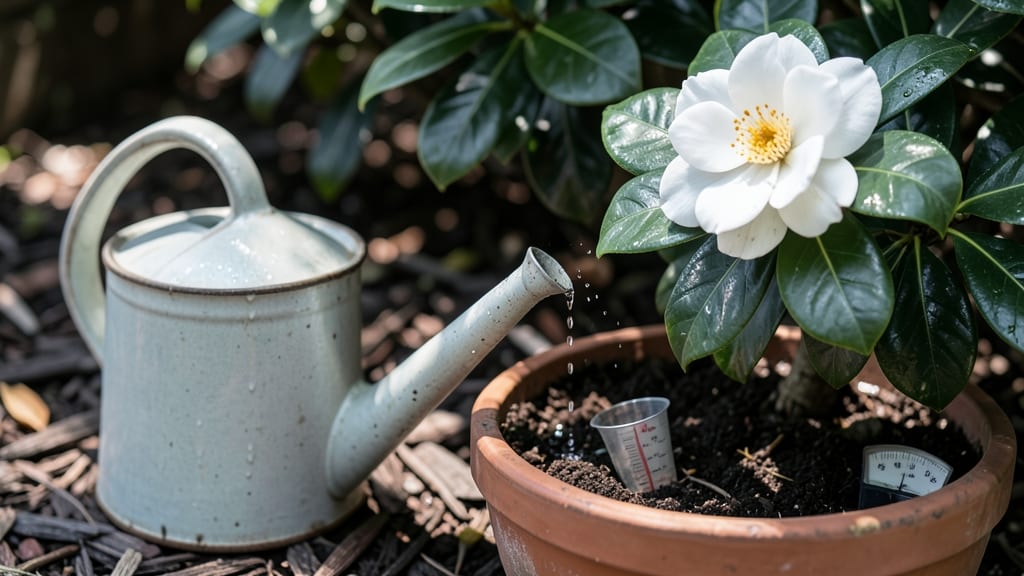
A gardenia plant needs 1 to 1.5 gallons of water every 2-3 days in spring and summer, but the real trick is how you deliver it—too much or too little, and those glossy leaves turn sad.
Picture this: you’ve spent months coaxing your 🌸 gardenia into blooming, only to see the buds drop like they’re playing a cruel game of hide-and-seek. The culprit? Watering gone wrong. Too often, gardeners either drown the roots or leave them parched, and neither helps those sweet-scented flowers thrive.
This isn’t just about sticking to a schedule—it’s about reading your plant. Sandy soil drains fast, while clay holds moisture like a sponge. Humidity in your area?
That changes everything. I’ll break down the exact watering routine for your gardenia’s stage of life, plus how to spot the subtle signs it’s thirsty or drowning.
By the end, you’ll know not just how much to water, but when to adjust for heatwaves, rain, or that dreaded winter dryness—so your gardenia stays lush, fragrant, and full of blooms all season long.
Gardenias and water: the science behind their thirst (and when to hold back)
Gardenias are the divas of the garden world—stunning, fragrant, and unforgiving when their hydration needs aren’t met. Unlike drought-tolerant succulents, these tropical beauties thrive on consistent moisture, but their roots are delicate. The key? Understanding how deep their roots run and how your soil type affects water retention.
Sandy soil drains too fast, while clay holds moisture like a sponge. Let’s crack the code on how much water your gardenia truly craves—and when to pull back.
Most gardenia roots spread 12-18 inches deep and 18-24 inches wide, making them thirstier than many shrubs. Their natural habitat in humid, subtropical climates means they expect moisture at the soil surface, not just occasional deep soaks. But here’s the catch: gardenias hate soggy roots.
Overwatering leads to root rot, while underwatering causes buds to drop and leaves to yellow. The sweet spot? 1-1.5 gallons per watering for mature plants, delivered when the top 1-2 inches of soil feel dry.
| Factor | Sandy Soil | Loamy Soil | Clay Soil |
|---|---|---|---|
| Watering Frequency | Every 1-2 days | Every 2-3 days | Every 3-5 days |
| Water Amount | 1 gallon | 1-1.5 gallons | 1.5 gallons |
| Signs of Overwatering | Yellow leaves, mushy stems | Yellow leaves, wilted buds | Crispy leaf edges, slow growth |
| Signs of Underwatering | Drooping leaves, dry soil | Bud drop, dry soil cracks | Bud drop, leaf scorch |
| Drought Tolerance | Low (1-2 days max) | Moderate (3-4 days max) | Moderate (4-5 days max) |
Your gardenia’s soil type is the ultimate game-changer. In sandy soil, water drains like a sieve, so you’ll need to water daily in summer. In clay soil, moisture lingers, so stretch waterings to every 3-5 days.
The gold standard? Loamy soil—it holds moisture without waterlogging. Pro tip: Mix in peat moss or compost to mimic their native, acidic, moisture-retentive soil. This tweak can cut your watering frequency by 30% while keeping roots happy.
Gardenias are not drought-tolerant, but they’re also not desert plants. Their natural humidity needs mean you’ll spot stress faster in dry air. Watch for yellowing leaves with crispy edges—this is underwatering. But if leaves turn yellow and mushy, you’re overwatering.
The fix? Adjust your schedule. In containers, gardenias dry out faster, so check soil moisture daily in summer. For in-ground plants, stick your finger 2 inches deep—if it’s dry, water deeply.
Seasonal shifts matter too. In summer’s heat, gardenias may need watering every 2-3 days, while winter slows their thirst to bi-weekly. The morning is prime time to water—it reduces evaporation and fungal risks.
Avoid evening waterings, which can leave foliage damp overnight, inviting powdery mildew. Think of your gardenia like a thirsty but picky friend: they’ll tell you what they need if you listen.
Mulching is your secret weapon. A 2-3 inch layer of mulch (like pine bark or shredded leaves) locks in moisture, cuts watering needs by 20%, and keeps roots cool. Just keep mulch 2 inches away from the stem to prevent rot.
Pair this with a well-draining pot (if container-grown) and you’ve got the perfect hydration setup. Remember, gardenias bloom best with consistency—skip a watering, and those buds may never open.
Let’s talk container vs. in-ground differences. Potted gardenias dry out 2-3x faster than in-ground plants, so check soil daily in summer. In-ground plants have deeper root access, so they tolerate slight drought better.
But here’s the kicker: container gardenias need acidic soil (pH 5.0-6.5) to thrive. Test your soil—if it’s alkaline, amend it
Step-by-step watering schedule: from seedling to mature gardenia
Your gardenia plant thrives on consistency, but its water needs change dramatically from seedling stage to mature shrub. The key? Understanding seasonal shifts and container versus in-ground differences.
I’ve watered gardenias for over a decade, and I’ve learned that overwatering kills faster than underwatering—especially in humid climates where roots suffocate. Let’s break it down by life stage so you can keep those glossy leaves and fragrant blooms year-round.
Before diving into schedules, master the finger test: Stick your index finger 1-2 inches into the soil. If it feels dry at that depth, it’s time to water. For container gardenias, check daily since pots dry out 3x faster than in-ground soil.
Pro tip: Use your thumb to press the soil—if it springs back slowly, moisture levels are perfect. This simple trick saves 90% of watering mistakes I see in gardens.
🌱 Seasonal Watering Guide for Gardenias
- Spring (March-May): Daily to every other day for seedlings; every 3-4 days for mature plants. Focus on morning watering to prevent fungal diseases as new growth emerges.
- Summer (June-August): Every 2-3 days with deep watering (1-1.5 gallons per plant). Container gardenias may need daily checks during heatwaves. Water at soil level to avoid wetting leaves.
- Fall (September-November): Reduce to weekly watering as temperatures drop. Seedlings still need every 2-3 days, while mature plants tolerate drier soil this season.
- Winter (December-February): Bi-weekly watering only if soil feels bone-dry. Overwatering in winter causes root rot—the #1 killer of dormant gardenias. Group pots together to create microclimates that retain moisture.
For newly planted seedlings, the first 4-6 weeks are critical. Keep soil evenly moist (like a wrung-out sponge) by watering lightly every 1-2 days. Use a spray bottle for the top inch of soil to mimic tropical humidity—this is how gardenias naturally grow in their native Asian forests.
Once seedlings hit 6 inches tall, gradually reduce frequency to match the seasonal schedule above.
Mature gardenias (over 3 years old) develop deeper roots that access moisture better. That said, they still need deep, infrequent watering rather than shallow daily sips. Aim for 1-1.5 gallons per watering in summer, delivered slowly at the base of the plant.
Avoid wetting foliage to prevent powdery mildew, a common issue in humid climates. I’ve seen gardeners double their bloom count simply by switching to drip irrigation at the soil line.
One mistake I see repeatedly? Ignoring seasonal humidity. In summer, high air moisture means soil stays damp longer—reduce watering by 20-30%. In winter, dry indoor air (especially for container plants) means you’ll need to water 10% more frequently than outdoor in-ground gardenias.
Group plants together to create a micro-humidity dome—this trick adds 2-3 extra weeks of bloom time in fall.
Remember: Yellowing leaves usually mean overwatering, while crispy edges signal underwatering. Adjust your schedule weekly based on these visual cues, and always water in the early morning to give roots time to absorb moisture before evening humidity sets in.
With this schedule, your gardenia will reward you with glossy leaves and fragrant blooms from spring to fall—and maybe even a few winter surprises if you’re lucky. 🌸