
Watering
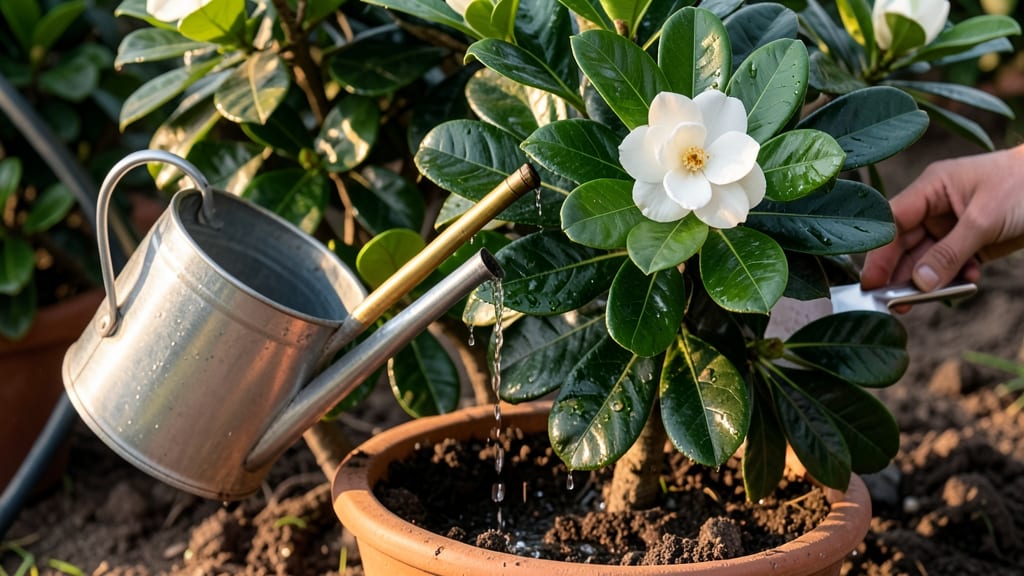
Watering a gardenia plant properly is the key to those show-stopping blooms and glossy leaves you dream of — and yes, there is a right way to do it.
Struggling to keep your gardenia thriving with fragrant blooms? The secret often lies in mastering its watering needs — too much or too little can turn vibrant flowers into wilted disappointment.
These tropical beauties love moisture but hate soggy roots, which means consistency is everything. In Zone 6-11, summer heat means daily checks, while winter slows things down to once a week.
Below, I’ll walk you through the exact schedule, how to spot trouble before it starts, and the one trick that keeps your gardenia’s roots happy without drowning them.
The ideal watering schedule for gardenia plants to promote healthy blooms
Gardenia plants are famous for their intoxicating fragrance and glossy foliage, but their watering needs can be tricky. Unlike drought-tolerant succulents, gardenias demand consistent moisture without becoming waterlogged. The key lies in understanding their seasonal hydration requirements and recognizing subtle signs of thirst or stress.
I’ve learned through trial and error that overwatering is the #1 killer of these beauties—yet underwatering can also stunt their flower production. Let’s dive into the science-backed schedule that’ll keep your gardenia thriving.
Gardenia roots thrive in moist but well-draining soil. Think of their watering needs like a balanced diet: too little, and they’ll droop; too much, and their roots suffocate. The ideal moisture level is when the top 1-2 inches of soil feel slightly dry to the touch.
This method prevents both root rot and wilting. I recommend using a moisture meter or your finger for accuracy—especially during hot summer months when evaporation speeds up. Morning watering is critical because it allows excess moisture to evaporate during the day, reducing fungal risks.
Here’s where most gardeners go wrong: they assume a one-size-fits-all approach works year-round. In reality, your gardenia’s watering schedule should adapt to the seasons. For example, during spring and fall, when temperatures are moderate, watering every 2-3 days is usually sufficient.
But in summer heat, you may need to water daily or every other day, especially if your gardenia is in a container, which dries out faster. Winter slows everything down, so I reduce watering to every 7-10 days unless you’re in a frost-free zone.
🌸 Pro Tip: Always water at the base of the plant rather than overhead. This mimics natural rainfall and prevents leaf diseases like powdery mildew. I also add mulch around the base to retain moisture and regulate soil temperature.
A 2-3 inch layer of organic mulch, like pine bark or shredded leaves, can reduce watering needs by up to 30% while keeping roots cool.
| Season | Watering Frequency | Soil Moisture Check | Watering Time | Key Adjustments |
|---|---|---|---|---|
| Spring | Every 2-3 days | Top 1-2 inches dry | Morning (6-9 AM) | Increase if temps rise above 75°F |
| Summer | Daily or every other day | Top 1 inch dry | Early morning (before 8 AM) | Use drip irrigation for containers |
| Fall | Every 3-4 days | Top 2 inches dry | Morning or late afternoon | Reduce as temps drop below 60°F |
| Winter | Every 7-10 days | Top 3 inches dry | Mid-morning (avoid frost) | Stop fertilizing; focus on hydration |
One of the biggest mistakes I see is inconsistent watering. Gardenias despise fluctuating moisture levels, which can cause buds to drop before opening. To prevent this, I’ve found that deep watering is far more effective than light, frequent sprinkles.
When watering, aim to saturate the root zone—about 6-12 inches deep, depending on the plant’s size. For mature gardenias, this means applying 1-2 gallons of water per watering session.
You’ll know you’ve done it right when water begins to drain from the bottom of the pot or run off the soil surface.
Container gardenias have unique watering challenges because their roots are confined. Pots dry out 3-5 times faster than in-ground plants, so I check the soil moisture daily in summer. A quick trick is to lift the pot—if it feels light, it’s time to water.
For container plants, I also recommend using terracotta pots, which allow excess moisture to evaporate through the walls. If you notice the soil staying damp for more than 24 hours, your pot may not have adequate drainage.
Always ensure your containers have drainage holes and a cache pot underneath to collect excess water.
💧 Warning Sign: Yellowing leaves or mushy stems are classic signs of overwatering. If you spot these, stop
Signs of overwatering vs underwatering in gardenia plants (with fixes)
Gardenia plants 🌸 thrive on balance—too much or too little water can spell disaster for their lush foliage and fragrant blooms. I’ve seen gardenias suffer from both extremes, and the key to revival lies in recognizing the visual symptoms early.
Yellowing leaves, drooping stems, or moldy soil aren’t just random—these are red flags your gardenia is either drowning or parched.
Overwatering is the sneakiest culprit because it often starts with good intentions. You might think your gardenia needs constant moisture, but soggy roots and fungal infections (like root rot) can kill it faster than drought.
On the flip side, underwatering causes crispy edges, stunted growth, and a plant that looks like it’s begging for a drink. Let’s break down how to spot these issues and fix them before your gardenia throws in the towel.
How to Water a Gardenia Plant: Fixing Hydration Mistakes
DO This for Healthy Gardenias
- Water deeply (1-2 gallons) but infrequently—only when top 1-2 inches of soil are dry.
- Use well-draining soil (mix in perlite or sand) to prevent waterlogging.
- Water in the morning to reduce fungal risk and evaporation.
- Check soil moisture with your finger—if it feels damp but not soggy, you’re golden.
- Use a terracotta pot (if container-grown) to wick away excess moisture.
Avoid These Common Mistakes
- Watering on a strict schedule—gardenia roots need flexibility based on weather.
- Letting soil stay waterlogged for more than 24 hours (leads to root rot).
- Ignoring yellow leaves or mushy stems—these are overwatering alerts.
- Using chlorinated tap water (can harm roots)—opt for rainwater or filtered water.
- Skipping drainage holes in pots—gardenia roots suffocate without airflow.
If your gardenia’s leaves are turning yellow with brown edges, it’s likely overwatered. The classic sign? Mushy stems or blackened roots when you gently tug on the plant. To fix this, stop watering immediately and repot the plant in fresh, dry soil.
If the roots smell foul or look slimy, trim the affected areas with sterilized scissors and treat with a fungicide to prevent spread.
On the flip side, crispy, brown leaf edges or wilting despite moist soil mean your gardenia is underwatered. Don’t panic—simply deep-water the plant until water drains from the bottom of the pot (or seeps into the ground).
Afterward, mulch around the base to retain moisture and mimic its natural, humid habitat. For container plants, consider moving them to a shadier spot to slow water evaporation.
Pro tip: Stick your finger 1-2 inches into the soil—if it feels dry, it’s time to water. If it’s still damp, wait another day. Gardenias are drought-tolerant once established, but they despise consistent sogginess.
Adjust your watering based on the season: more in summer, less in winter when growth slows.
Remember, gardenias are sensitive divas—they’ll drop buds or leaves if stressed. By mastering these hydration cues, you’ll keep your gardenia blooming like a pro. And if all else fails, a little patience and adjustment is all it takes to bring them back to life. 🌿