
Watering
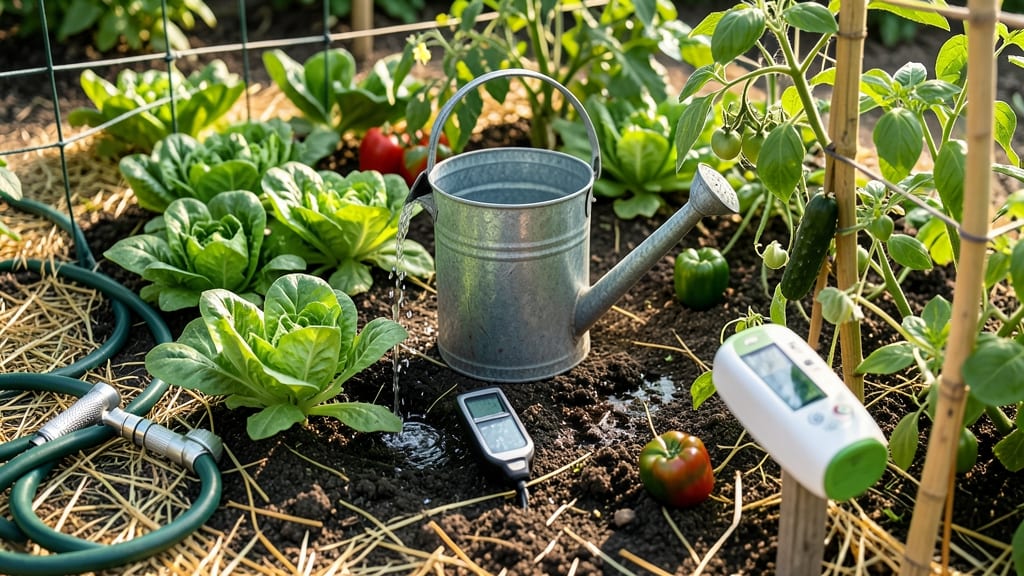
Watering your vegetable garden with the right frequency is the difference between a thriving harvest and wasted effort — and most gardeners overcomplicate it.
You’ve probably guessed at watering schedules, only to watch your tomatoes split or your lettuce bolt from inconsistent moisture. The truth? Science gives us exact intervals for each plant type, from shallow-rooted herbs to deep-rooted carrots 🌱 — and ignoring them costs you time, water, and produce.
Climate, soil type, and even the age of your plants shift how often you should water, but the core rule is simple: most vegetables need deep, infrequent watering rather than daily light sprinkles. That’s what keeps roots strong and prevents disease.
In this guide, I’ll break down the precise watering days for 15+ common vegetables, how to adjust for heatwaves or heavy rain, and the smart tools that cut your watering time in half. No more guesswork — just data-driven results.
Watering frequency by vegetable type: science-backed schedules for optimal growth
Watering your vegetable garden isn't a one-size-fits-all task—each plant has unique moisture needs based on its root depth, growth stage, and environmental conditions. Leafy greens like lettuce and spinach thrive with frequent shallow watering, while deep-rooted vegetables such as tomatoes and carrots need infrequent but deep soakings.
Understanding these differences prevents wasted water and ensures robust harvests.
Most gardeners overwater by default, thinking more is better—but this leads to root rot and fungal diseases. The key is consistent soil moisture, not saturated soil. Use your finger to check: the top 1-2 inches should feel moist, not soggy.
Adjust your schedule based on your local climate and soil type—sandy soil drains faster, while clay holds moisture longer.
Below is a science-backed watering schedule for 15+ common vegetables, including seasonal adjustments and soil moisture targets to keep your garden thriving year-round.
🌱 Pro Tip: Always water in the early morning (6-9 AM) to reduce evaporation and fungal risks. Avoid evening watering, as damp foliage overnight invites pests and diseases.
| Vegetable | Root Type | Watering Frequency | Soil Moisture Target | Seasonal Adjustments |
|---|---|---|---|---|
| Tomatoes | Deep | Every 2-3 days (deep water) | 1-2 inches moist | Increase to daily in summer |
| Peppers | Medium | Every 2-3 days | 1 inch moist | Reduce in fall/winter |
| Lettuce | Shallow | Daily (light water) | Top ½ inch moist | Shade cloth reduces needs |
| Carrots | Deep | Every 3-4 days (deep) | 1-2 inches moist | Drought-tolerant once established |
| Cucumbers | Medium | Every 2 days | 1-1.5 inches moist | Vining plants need more water |
| Spinach | Shallow | Daily (light) | Top ½ inch moist | Cool-season crop |
| Green Beans | Medium | Every 2-3 days | 1 inch moist | Reduce after harvest |
| Onions | Medium | Every 3-4 days | 1 inch moist | Drought-resistant |
| Zucchini | Medium | Every 2-3 days |
How to adjust watering frequency for soil type, climate, and plant ageYour vegetable garden's watering needs aren't one-size-fits-all. The same tomatoes or lettuce can thrive with wildly different schedules depending on where you live and what's growing. For example, sandy soil drains water like a sieve, while clay soil holds moisture like a sponge. Even the age of your plants changes how often they need water—seedlings sip like kids, while mature plants gulp like teenagers. Climate plays an equally critical role. In hot, dry regions, I water my peppers daily in summer, while in humid climates, I might go 4-5 days between waterings. The key is understanding how these factors interact to create the perfect moisture balance for your specific garden. Let's break it down so you can stop guessing and start growing with confidence. ⚠️ Watering Warning SignsIgnoring these 3 red flags can kill your plants faster than drought or pests:
Let's start with soil type, the foundation of your watering strategy. Sandy soil needs frequent, shallow waterings—think of it like watering a colander. I check moisture every 1-2 inches deep and water when it's dry, often daily in summer. Clay soil, on the other hand, acts like a water reservoir. Here, I water deeply every 3-4 days to encourage roots to grow deeper in search of moisture. The goal? 1 inch of water per week in most climates, but adjust based on what drains fastest. Now, let's talk climate zones. In arid regions (like Arizona or California), I water my zucchini and cucumbers every morning, often using drip irrigation to minimize evaporation. In humid climates (such as the Pacific Northwest), I might only water every 4-5 days—the air already provides plenty of moisture. Pro tip: Mulch heavily in dry climates to lock in moisture, and water in the early morning to prevent fungal diseases in humid areas. Don't forget plant age—it's one of the biggest factors most gardeners overlook. Seedlings need daily misting or shallow watering to keep their tiny roots happy. Once they're 2-3 inches tall, I switch to deeper waterings every other day. Mature plants, like tomatoes or peppers, can handle 1-2 inches of water per week, but I always check the top 2 inches of soil before watering. Overwatering mature plants leads to blossom-end rot in tomatoes—a heartbreaking mistake I've made more times than I'd like to admit. Here's my troubleshooting cheat sheet for common watering mistakes: If your lettuce bolts (sends up a flower stalk), it's thirsty—water more frequently. If your carrots split, they're getting too much water—cut back and improve drainage. And if your spinach looks limp but the soil is wet, you're dealing with root rot—pull affected plants and let the soil dry out before replanting. The key is observation: healthy plants have turgid leaves (firm to the touch) and deep green color. To make this easier, I set up a simple watering schedule based on these factors. For sandy soil in hot climates, I water every morning at 6 AM. For clay soil in cool climates, I water every 3 days in the afternoon. And for seedlings, I use a spray bottle twice daily. The more you pay attention to your garden's specific needs, the less you'll waste water—and the more your plants will reward you with bountiful harvests. 🌱 |