
Watering
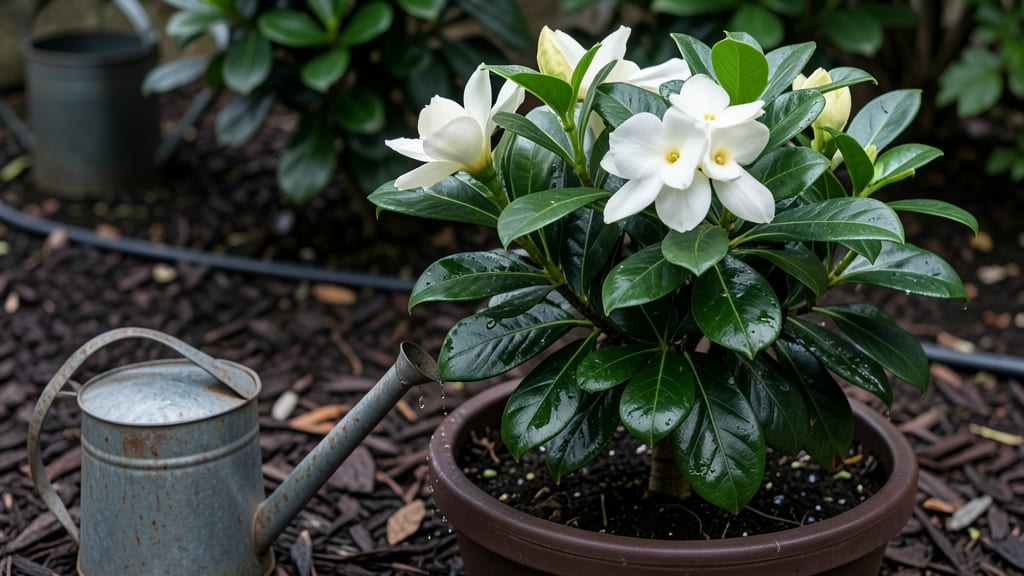
Wondering how much water do gardenias need to thrive? The secret to their lush, fragrant blooms lies in proper hydration—aim for 1 to 1.5 inches of water per week, adjusting for heat and humidity.
Struggling to keep your gardenias blooming beautifully without overwatering? These fragrant favorites thrive with the right balance of moisture—too much or too little can spell disaster for their delicate roots.
Most gardeners water too often, drowning the roots in soggy soil, while others let them dry out completely. The key is deep, infrequent watering that mimics natural rainfall, especially in USDA Zone 6a where spring planting sets the stage for summer blooms.
Below, I’ll break down how to water gardenias by season, spot signs of thirst or rot, and use mulch to lock in moisture—so you can enjoy those perfectly fragrant 🌸 blooms all season long.
Gardenia watering schedule: how often and when to water for optimal growth
Mastering the gardenia watering schedule is key to those lush, fragrant blooms you adore. These tropical beauties crave consistent moisture but despise soggy roots—finding that sweet spot keeps them thriving.
I’ve learned through trial and error that timing, soil type, and climate all play critical roles in determining how much water gardenias need.
In humid climates like Florida or Southern California, gardenias may need watering every 2-3 days during peak summer, while arid regions like Arizona or Nevada could stretch that to every 5-7 days.
The difference? Humidity keeps soil moist longer, while dry air sucks moisture away faster. Let’s break down the perfect watering routine for your gardenia’s success.
Soil type also dictates your watering frequency. Gardenias thrive in well-draining, acidic soil (pH 5.0-6.5) mixed with organic matter. Sandy soil drains quickly, requiring more frequent watering, while clay holds moisture longer, reducing the need. Always check the top 2-3 inches of soil—if it’s dry, it’s time to water.
| Climate Zone | Season | Frequency | Best Time | Soil Check |
|---|---|---|---|---|
| Humid (Zones 7-10) | Spring/Summer | Every 2-3 days | Morning (6-9 AM) | Top 2" dry |
| Humid (Zones 7-10) | Fall/Winter | Every 5-7 days | Morning (8-10 AM) | Top 3" dry |
| Arid (Zones 3-6) | Spring/Summer | Daily or every 2 days | Early morning | Top 1-2" dry |
| Arid (Zones 3-6) | Fall/Winter | Every 7-10 days | Late morning | Top 3-4" dry |
| Container Gardenias | Year-round | Every 2-3 days | Morning | Top 1" dry |
💧 Pro Tip: Always water at soil level, not the foliage, to prevent fungal diseases.
Morning watering is non-negotiable for gardenias. Watering in the early morning (6-9 AM) allows excess moisture to evaporate during the day, reducing the risk of root rot and fungal infections.
Avoid evening watering—wet leaves at night create a cozy environment for powdery mildew and other pests. I’ve seen gardenias wither overnight from overwatering at the wrong time.
Seasonal adjustments are crucial. During spring and summer, gardenias enter their active growth phase, demanding more frequent watering. In fall and winter, they slow down, and you can reduce watering to every 7-10 days.
Pay attention to your gardenia’s leaves and buds—drooping or yellowing leaves signal thirst, while mushy stems or brown edges mean overwatering.
Mulching is a game-changer for gardenias. Apply a 2-3 inch layer of organic mulch (like pine bark or compost) around the base to retain moisture and regulate soil temperature. This reduces watering frequency by up to 30%.
Just keep mulch 2-3 inches away from the trunk to prevent rot. I’ve seen gardenias in mulched beds thrive with 50% less water than unmulched ones.
Container gardenias need extra attention. Pots dry out faster, so check soil moisture daily in extreme heat. Use a well-draining potting mix with perlite or orchid bark to improve aeration.
If your gardenia is in a container, consider self-watering pots or a wicking system to maintain consistent moisture without overwatering.
Watch for seasonal humidity shifts. In areas with high humidity, like the Southeast, gardenias may need less frequent watering because the air retains moisture longer. Conversely, in low-humidity zones, like the Southwest, you might need to water daily in summer.
Use a hygrometer to monitor humidity levels—aim for 50-70% relative humidity for optimal growth.
Signs of underwatering include crispy leaf edges, drooping foliage, and bud drop. Overwatering shows up as yellowing leaves, mushy stems, or white powdery spots. If you spot these, adjust your watering immediately.
For underwatered gardenias, give them a deep soak and improve drainage. For overwatered ones, let the soil dry out completely before watering again.
With this gardenia watering schedule, you’ll enjoy vibrant blo
Signs of overwatering vs. underwatering gardenias: what to watch for
Gardenias are finicky about water—too much and their roots suffocate, too little and they droop dramatically. The key is spotting the early warning signs before damage becomes permanent. I’ve learned the hard way that yellowing leaves or mushy stems mean it’s already too late for some plants.
Let’s break down what to watch for and how to fix it.
First, overwatered gardenias show classic signs like yellow leaves with green veins (a sign of nutrient loss from poor oxygen). You might also notice soft, mushy stems or root rot if you gently pull back the mulch.
The soil will stay clingy and damp even days after watering. If you see white mold on the soil surface, that’s a red flag for fungal issues.
How Much Water Do Gardenias Need?
✅ DO:
- Water deeply every 3-5 days (morning only)
- Use well-draining soil with perlite or sand
- Check top 2 inches of soil—water when dry
- Mulch heavily (3-4 inches) to retain moisture
❌ DON'T:
- Water at night (promotes fungal growth)
- Let soil stay soggy for days (roots suffocate)
- Use heavy clay soil without amendments
- Ignore wilting leaves—act fast to revive
On the flip side, underwatered gardenias show crispy leaf edges and drooping foliage that doesn’t bounce back after watering. The soil will pull away from the pot or crack in garden beds.
If you see brown, papery leaves, it’s often too late, but catching it early means reviving the plant with a deep soak and adjusting your schedule.
To fix overwatering, stop watering immediately and let the soil dry out. If roots are rotting, trim the affected areas with sterilized shears and repot in fresh, well-draining mix.
For underwatering, water until it runs out the drainage holes, then mulch to lock in moisture. I’ve found that container gardenias dry out faster—check them daily in summer heat.
Season matters too. In summer’s heat, gardenias may need watering every 2-3 days, while winter dormancy reduces needs to once every 10-14 days. Always water at soil level (not leaves) to avoid fungal diseases.
With these adjustments, your gardenias will reward you with glossy leaves and heavy blooms all season.
Remember: Gardenias prefer thirsty-but-not-drowned conditions. The moment you see leaf discoloration or unusual wilting, act fast—your plant’s life depends on it. 🌸