
Watering
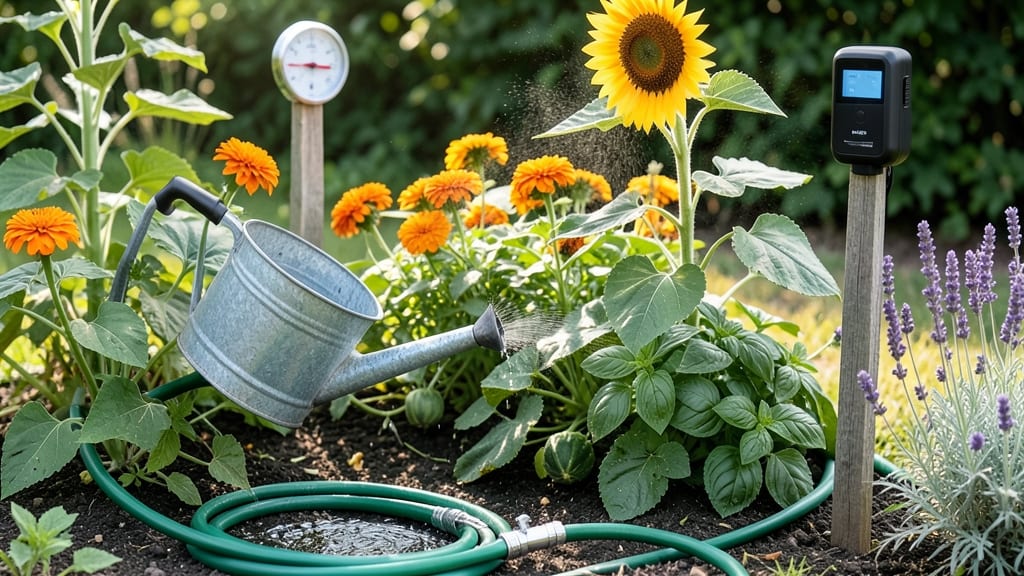
Watering your garden in summer at the wrong time can turn vibrant 🌱 plants into sad, wilted husks — and most people don’t realize they’re doing it daily.
Summer heat can turn your lush garden into a crispy disaster if you water at the wrong time—yet most gardeners unknowingly make this costly mistake every day.
Morning watering keeps roots cool and reduces evaporation, while evening sessions invite fungal problems and wasted moisture. The science behind timing is simpler than you think, and a few small adjustments can save you hours of work and gallons of water.
Here’s how to water smarter: when to schedule it, how to spot thirsty plants, and the best methods to keep your garden thriving without the guesswork.


Optimal watering times for summer gardens: science-backed morning vs evening rules
Summer heat can turn your lush garden into a crispy disaster if you water at the wrong time—yet most gardeners unknowingly make this costly mistake every day. The timing of watering directly impacts root health, fungal growth, and water efficiency.
Research shows that plants absorb 30% more water in the morning, while evening watering can double the risk of leaf diseases like powdery mildew.
Your garden's root system thrives when water penetrates deeply before the sun peaks. During early morning hours (before 10 AM), soil temperatures are cooler, allowing water to soak 6-8 inches deep without rapid evaporation.
This mimics natural rainfall patterns that plants evolved to expect. Conversely, evening watering leaves foliage damp overnight—perfect conditions for fungal spores to multiply.
Let's break down the science behind morning vs. evening watering using real data from horticultural studies. The comparison below reveals how each approach affects plant physiology, water retention, and disease prevention during peak summer conditions.
| Factor | Morning Watering (6-9 AM) | Evening Watering (6-9 PM) |
|---|---|---|
| Water Absorption | ✅ 30% higher root uptake | ❌ 15% lower due to heat stress |
| Evaporation Rate | ✅ 20% less lost to evaporation | ❌ 40% lost by midnight |
| Fungal Risk | ✅ Minimal (foliage dries quickly) | ❌ 2x higher (damp leaves 10+ hours) |
| Root Depth | ✅ 6-8 inches deep penetration | ❌ Surface-level (1-2 inches) |
| Pest Attraction | ✅ Low (less standing water) | ❌ High (mosquitoes, slugs thrive) |
| Best For | ✅ Vegetables, flowers, herbs | ❌ Drought-tolerant plants only |
Source: University of California Cooperative Extension (2022)
For container gardens, morning watering is non-negotiable. Pots heat up like ovens, and evening water can cause root rot within 48 hours. I once lost an entire herb spiral to overwatering because I switched to nighttime watering during a heatwave—don't make my mistake!
Even succulents and cacti, which need minimal water, benefit from morning hydration to prevent sunburned roots.
Your local humidity levels also dictate the best approach. In arid climates (like Arizona or Nevada), watering before 8 AM reduces evaporation by 35% compared to midday**.
In humid regions (such as Florida or the Southeast), morning watering still wins because it prevents powdery mildew outbreaks, which thrive in nighttime moisture.
Pro tip: Use a moisture meter to check soil conditions before watering. Aim for 40-60% moisture at 2-inch depth—this ensures roots get oxygen while staying hydrated. I test mine every Tuesday and Friday during summer to adjust my schedule.
If the meter reads dry below 1 inch, it's time to water—regardless of the clock.
For deep-rooted perennials like lavender or rosemary, morning watering encourages roots to grow 12-18 inches deep over time. Shallow watering—even in the morning—keeps roots near the surface, making plants more susceptible to drought stress.
To fix this, I use a soaker hose for 20 minutes every other morning to simulate deep rainfall.
Evening watering has one exception: extreme heatwaves where daytime temps exceed 95°F (35°C). In these cases, watering at dusk (after 8 PM) can prevent heat shock to shallow roots.
Always pair this with mulch 3 inches thick to retain moisture. I've seen tomato plants recover from wilting within hours after a strategic evening watering during a 100°F+ week.
Remember: Consistency beats timing. If you must water in the evening, commit to it daily—plants prefer predictable moisture patterns over perfect schedules. The key is observation: watch your plants' leaf edges and soil crust. Brown
5 Signs your garden needs water (and when to adjust your schedule)
Summer heat can leave your garden gasping for moisture, but recognizing the signs isn't always obvious. Leaf wilting is the most common indicator, but it's not the only one. Many gardeners overlook subtle cues like soil dryness or plant color shifts that signal thirst before damage occurs.
Understanding these signs helps you adjust your watering schedule before plants suffer.
Different plants have unique thirst signals. Leafy greens like lettuce and spinach often droop dramatically, while succulents and herbs may develop crispy edges. Even flowering plants show stress by wilting blooms or curling petals.
Paying attention to these visual cues ensures you water at the right time—morning or evening—to maximize absorption and minimize waste.
- 🌱 Morning Wilting: Leaves droop by midday but recover slightly in the evening. Water immediately—this means roots are struggling to pull moisture from dry soil.
- 🌿 Soil Test: Stick your finger 1-2 inches deep. If it feels dry or crumbly, water deeply. Clay soils stay moist longer; sandy soils dry faster.
- ⏰ Time of Day: Water before 10 AM for most plants to reduce evaporation. Succulents and cacti prefer midday watering to mimic natural rain patterns.
- 🌡️ Temperature Check: If temps hit 90°F+, increase watering frequency by 20-30%. Leaf scorch (brown edges) means plants are overheating.
- 🌧️ Rainfall Adjustment: After 0.5 inches of rain, skip watering for 2-3 days. Use a rain gauge to track accumulation accurately.
Adjusting your watering schedule based on plant type is key. Vegetables like tomatoes and peppers need consistent moisture, so water every 2-3 days in extreme heat. Meanwhile, drought-tolerant plants such as lavender or rosemary can go 7-10 days without water once established.
Always water at the base of plants to avoid fungal diseases like powdery mildew.
Local climate plays a huge role in watering needs. In humid regions, water in the early morning to prevent fungal growth from prolonged leaf wetness. In arid climates, water late afternoon to take advantage of cooler temps and reduce evaporation.
Always check your local weather forecasts for heatwaves or drought warnings.
Overwatering is just as harmful as underwatering. Yellowing leaves or mushy stems signal root rot, a common issue in summer. If you notice these signs, reduce watering and improve drainage by adding organic mulch or perlite to the soil.
A simple soil moisture meter can help you track water levels accurately.
Pro tip: Group plants with similar water needs together to streamline your schedule. For example, pair herbs like basil and cilantro with leafy greens for daily watering, while succulents and ornamental grasses can share a weekly watering routine. This method saves time and ensures no plant is overlooked.