
How To
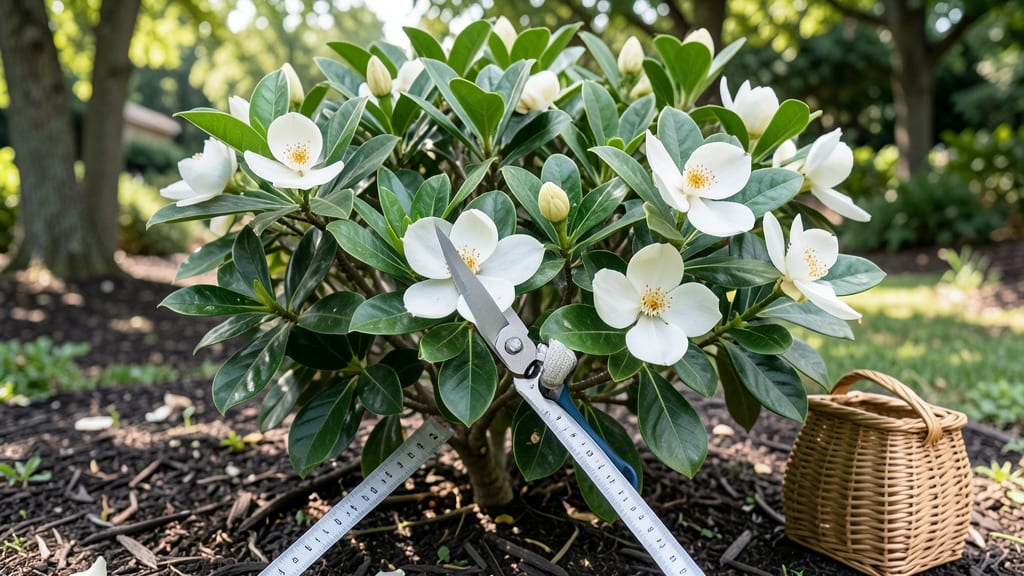
Trimming gardenia bushes at the right time ensures abundant blooms and healthy growth—late winter or early spring, just after flowering, is the best window for most regions.
Picture this: You’ve waited all year for those fragrant 🌸 gardenias to bloom, only to realize your last pruning cut back too much—or worse, you missed the window entirely. The difference between a lush, flowering shrub and a leggy, sparse one often comes down to timing.
In USDA Zone 6a, where gardenias thrive, pruning too early can sacrifice next year’s flowers, while waiting too long may stunt new growth. Even the climate plays a role—tropical zones may need a slightly different approach than cooler temperate areas.
Below, I’ll break down the exact months to trim for maximum blooms, the tools you’ll need, and the pruning mistakes that could leave your gardenia looking sadder than a rainy spring day.
Best months to trim gardenia bushes for maximum blooms
Timing your gardenia pruning correctly can mean the difference between a bush bursting with fragrant white blooms and one struggling to produce flowers. Gardenias are semi-evergreen shrubs that bloom on old wood, meaning last year’s growth carries next year’s flowers.
Pruning at the wrong time can sacrifice next season’s blooms entirely.
Most gardeners focus on late winter or early spring pruning, but summer deadheading also plays a crucial role. The key is understanding your climate zone—tropical regions may have different timing than temperate areas where frost is a factor.
Let’s break down the science-backed months for pruning to ensure your gardenia thrives and produces abundant, healthy blooms.
🌱 Comparison Table: When to Trim Gardenia Bushes by Climate Zone
| Climate Zone | Best Pruning Time | Key Cues | Avoid Pruning When |
|---|---|---|---|
| Temperate Zones (USDA 6-9) | Late February–March (post-bloom) | After flowers fade, before new growth | During frost or active flowering |
| Tropical Zones (USDA 10-11) | June–July (summer deadheading) | After blooms drop, every 4-6 weeks | During monsoon season (overwatering risk) |
| Cold Climates (USDA 5 or below) | April–May (after last frost) | Wait until soil warms to 60°F+ | Before spring growth begins |
In temperate zones, the best time to prune gardenias is late winter or early spring, right after the last blooms of the previous season have faded. This timing ensures you’re not cutting back the old wood that holds next year’s flower buds.
For example, if your gardenia bloomed heavily in September or October, wait until February or March to prune.
If you live in a tropical or subtropical climate, your gardenia may bloom year-round or in summer. Here, the focus shifts to summer deadheading—removing spent blooms every 4-6 weeks to encourage continuous flowering.
This method prevents the plant from wasting energy on seed production and redirects it toward new growth and blooms.
The science behind timing lies in the plant’s growth cycle. Gardenias are evergreen or semi-evergreen, meaning they grow year-round in warm climates but slow down in cooler months. Pruning during dormancy (late winter) promotes vigorous spring growth, while summer pruning keeps the plant compact and flowering.
One critical mistake gardeners make is pruning in late summer or fall, which can leave the plant vulnerable to frost damage and reduce its ability to harden off for winter.
Always avoid cutting back more than one-third of the plant in a single session, as this can stress the gardenia and lead to reduced blooming the following year.
For container-grown gardenias, timing is slightly more flexible, but the same rules apply. Prune after blooming to maintain shape and encourage new growth. However, be cautious—potted gardenias dry out faster and may need more frequent watering after pruning to recover.
Pro tip: Use sterilized pruning shears to avoid spreading diseases like powdery mildew or root rot. Dip shears in rubbing alcohol between cuts, especially if your gardenia has yellowing leaves or brown spots, which could indicate fungal issues.
Finally, always step back and admire your gardenia’s natural shape before pruning. Gardenias thrive with a balanced, open canopy that allows air circulation. Over-pruning can lead to a dense, leggy bush with fewer blooms, so aim for selective trimming rather than heavy cuts.
Step-by-step pruning guide: how to trim gardenia bushes without killing them
Pruning your gardenia bushes correctly is the key to keeping them healthy and blooming beautifully. These fragrant shrubs need careful attention to avoid stress or disease. The right cutting techniques and timing ensure your gardenia thrives for years.
Whether you're shaping your bush or rejuvenating an overgrown plant, follow these steps to prune like a pro.
Before you grab your shears, gather the right pruning tools. You'll need bypass pruners for clean cuts, a small saw for thicker branches, and rubbing alcohol to sterilize tools between cuts. Sharp tools prevent tearing, which can introduce disease.
Start by removing any dead or diseased branches first—they’re the easiest to spot and should always come out first.
- Late winter (February) or early spring (March) after the last frost but before new growth appears.
- Summer (June-July) after blooms fade—this is deadheading season to encourage more flowers.
- Avoid pruning during fall or winter in colder zones (USDA 7 and below), as the plant may not recover in time.
- Never prune during active flowering season (spring to early summer)—this cuts off next year’s blooms.
- In tropical zones (USDA 10+), prune lightly after heavy rains to promote airflow and prevent fungal issues.
Now it’s time to shape your gardenia. Start by thinning out overcrowded branches to improve airflow and sunlight penetration. Cut back 1/3 of the oldest growth to encourage new, vigorous shoots.
Make your cuts just 1/4-inch above a leaf node—this ensures the plant can heal and grow from that spot. Avoid leaving stubs, as they can rot and attract pests.
For rejuvenating an overgrown gardenia, take it slow. Never remove more than 30% of the foliage in one session—this can shock the plant. Focus on inner branches first, then work outward.
If your gardenia looks leggy, prune the tips of the longest branches to encourage bushier growth. Always step back and assess the shape from all angles before making final cuts.
After pruning, give your gardenia some extra care to help it recover. Water deeply but avoid oversaturating the soil, which can lead to root rot. Apply a balanced fertilizer (like 10-10-10) in 4-6 weeks to support new growth.
Keep an eye out for yellowing leaves or wilting, which could signal stress or disease. If you see brown, crispy edges, your plant may need more humidity or shade.
Remember, pruning mistakes can harm your gardenia. Avoid cutting into old wood (more than 2 years old), as it won’t regrow. Never prune with dull or dirty tools, and always disinfect them between cuts. If you accidentally over-prune, don’t panic—your gardenia can recover with patience and proper care.
Just reduce watering slightly and monitor for new growth. With the right approach, your gardenia will reward you with lush foliage and stunning blooms for seasons to come. 🌸