
Blooming
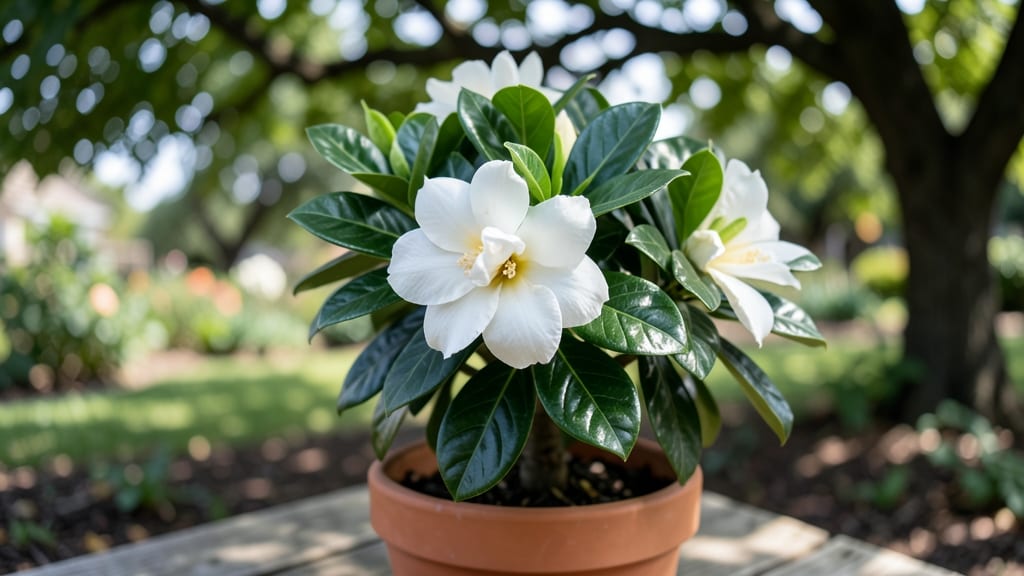
Your gardenia’s flowering season is the moment it transforms your garden into a fragrant paradise 🌸 — but only if you time care, light, and pruning just right.
Dreaming of fragrant, creamy-white gardenias blooming year-round? The secret lies in mastering their flowering season—and it starts with understanding light, pruning, and seasonal triggers.
In USDA Zone 6a, gardenias typically burst into bloom from June through September, but with the right adjustments, you can coax extra blooms in spring and even late fall.
Below, I’ll walk you through how to set the stage for a longer flowering season, from pruning hacks to light tricks that keep your gardenia happy and blooming.
When do gardenias bloom naturally? Understanding their seasonal triggers
If you're waiting for your gardenia to burst into creamy-white blooms, timing is everything. These fragrant beauties typically follow a spring-to-fall blooming cycle, but their exact schedule depends on climate and variety.
In most regions, gardenias start flowering in late spring (May-June) and peak in summer, with a secondary flush in early fall (September-October).
Native to tropical and subtropical areas, gardenias are sensitive to temperature shifts and daylight hours. In cooler zones (USDA 8-9), they may only bloom once per year, while warmer climates (USDA 10-11) can enjoy year-round blooming with proper care.
Understanding these triggers helps you time your pruning and fertilizing for maximum impact.
Daylight hours play a crucial role—gardenias need 6-8 hours of light daily, but they thrive in morning sun with afternoon shade. Too much direct sun can scorch their leaves, while insufficient light delays blooming. Temperature also matters: ideal blooming occurs between 65°F and 75°F.
Here’s how regional differences affect your gardenia’s schedule:
| Region (USDA Zone) | Primary Blooming Season | Secondary Blooming Season | Key Trigger |
|---|---|---|---|
| 8-9 (e.g., Atlanta, GA) | Late May - July | September - October | Warmth after last frost |
| 10-11 (e.g., Miami, FL) | March - May, September - November | Year-round with care | Consistent warmth |
| Coastal California (Zone 9-10) | April - June, August - October | Light winter blooms | Mild winters |
Not all gardenias bloom at the same time—variety matters. For example, 'Radicans' (a climbing type) blooms later than 'Kleim's Hardy', which is bred for cooler climates. Even within the same zone, microclimates (like a sheltered patio vs. full sun) can shift blooming by 2-4 weeks.
If your gardenia isn’t blooming on schedule, check these common culprits: - Insufficient light (move to brighter spot) - Over-fertilizing with nitrogen (promotes leaves, not flowers) - Improper pruning (cutting back too late in the season) - Soil pH too high (gardenias need acidic soil (pH 5.0-6.5))
Pro tip: Pinch back new growth in early spring to encourage more blooms. This mimics the plant’s natural response to seasonal triggers like cooler nights and longer daylight. Just avoid pruning after mid-summer, as new growth won’t harden off before winter.
For gardeners in USDA zones 8-9, focus on spring pruning (February-March) to shape your plant and remove dead wood. In warmer zones (10-11), you can prune lightly year-round to stimulate continuous blooming.
The key is to never remove more than 1/3 of the plant at once—this shocks the shrub and delays flowering.
Monitor your gardenia’s foliage color and bloom buds for clues. Healthy leaves should be deep green and glossy, while buds form in leaf axils (the junction where leaves meet stems). If buds drop off, it’s often a sign of low humidity or stress from temperature swings.
With the right care, your gardenia can become a year-round bloomer, filling your garden with intoxicating fragrance. Start by aligning your care with its natural seasonal triggers, and you’ll enjoy those creamy-white blooms for months longer than expected. 🌸
Pruning & light hacks to extend your gardenia’s flowering season
Your gardenia’s natural blooming cycle peaks in late spring and summer, but with the right pruning techniques and light management, you can coax it into reblooming later in the year.
The key? Mimicking its native tropical environment while avoiding common mistakes like over-pruning or exposing it to harsh afternoon sun.
Gardenias thrive in morning sunlight (4-6 hours) followed by afternoon shade, which prevents leaf scorch and stress. Pair this with strategic pruning—cutting back just enough to encourage new growth without shocking the plant—and you’ll extend that fragrant, creamy-white display well into fall or even winter in warmer climates.
Light Pruning vs. Aggressive Pruning for Gardenias
Light Pruning
- ✅ Encourages reblooming by removing spent flowers
- ✅ Preserves plant shape and natural growth
- ✅ Low stress for the plant
- ✅ Best for mature plants already established
Trim 1/3 of new growth after blooming season ends. Use clean, sharp shears to avoid tearing.
Aggressive Pruning
- ⚠️ Can delay blooming by 1-2 years if overdone
- ⚠️ Risk of shock if pruned at wrong time
- ✅ Reshapes overgrown plants quickly
- ✅ Removes dead/diseased wood effectively
Only prune 1/3 of old wood in late winter/early spring. Avoid cutting back flower buds forming on new growth.
💡 Pro Tip: Light pruning in early summer can trigger a second bloom cycle by autumn!
Start by pruning your gardenia right after its main blooming season (late summer). Remove dead or yellowing leaves first—these sap energy from new growth. Then, cut back 1/3 of the oldest stems to the nearest bud or branch junction, always using sterilized shears to prevent disease spread.
For continuous blooms, adjust light exposure seasonally. In summer’s intense heat, move potted gardenias to a shadier spot by midday, while winter’s weaker sun may allow more direct light. Monitor leaf color: yellowing leaves signal too much sun, while pale green means it’s not getting enough light.
Fertilizer timing matters too! After pruning, apply a balanced, acidic fertilizer (like 10-10-10) to encourage new flower buds. Avoid high-nitrogen feeds—they promote leafy growth over blooms. Pair this with consistent moisture (water deeply 2-3 times weekly) and you’ll see buds forming within 6-8 weeks.
In USDA zones 8-11, gardenias can bloom nearly year-round with these adjustments. For cooler climates (zones 6-7), focus on spring and fall blooms by pruning in early spring and protecting from frost with mulch or burlap wraps.
The goal? Keep your gardenia stressed but not struggling—just enough to trigger those fragrant blooms!