
Pruning
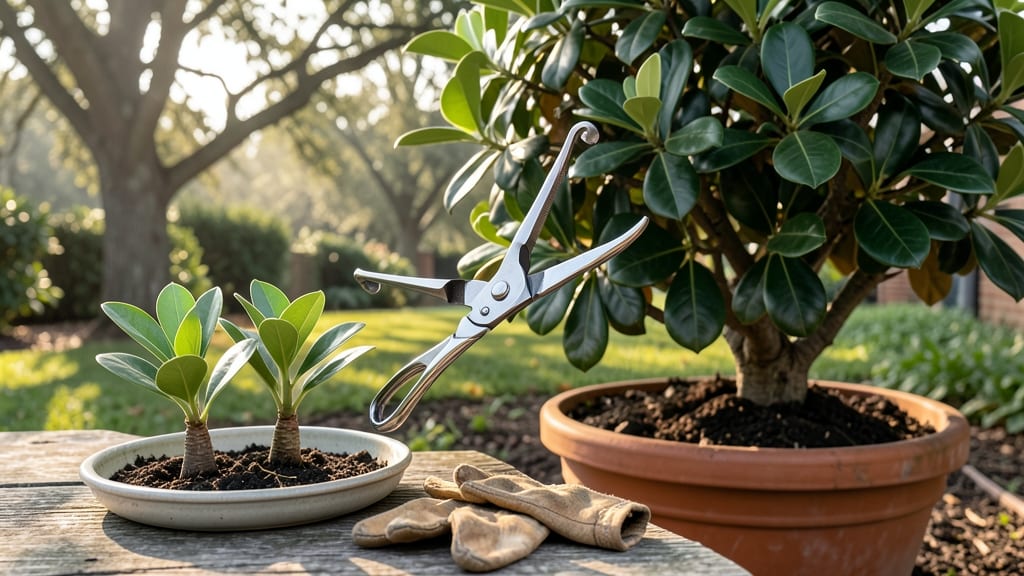
The best time to prune gardenias is late winter, right before new growth begins—this timing ensures healthier blooms and stronger stems for the coming season.
Picture this: you’ve just finished admiring your gardenia’s 🌸 fragrant blooms, but now you’re wondering how to keep it thriving. Pruning at the wrong time can stress the plant, leaving you with fewer flowers and leggy branches. Late winter is the secret to unlocking lush, vibrant growth without risking damage.
For gardeners in USDA Zones 8-11, where these tropical beauties thrive, late winter (February–March) is ideal. This timing aligns with the plant’s natural cycle, promoting robust spring blooms while avoiding the stress of summer heat or winter dormancy.
In this guide, you’ll discover the exact steps to prune your gardenia like a pro—when to cut, how to shape it, and what to avoid to keep your plant happy and blooming year after year.
Late winter pruning: the optimal window for gardenia growth
Timing your gardenia pruning correctly is the difference between a plant that thrives and one that struggles. Late winter—just before new growth emerges—is the golden window for pruning these delicate shrubs.
This period aligns with the plant’s natural dormancy cycle, allowing you to shape your gardenia without stressing it during active growth phases.
During late winter, gardenias enter a resting state in cooler climates (USDA Zones 8-11), making them more resilient to pruning. The sap flow slows, reducing bleeding and promoting faster healing. Pruning at this time also stimulates spring blooms by encouraging new, vigorous growth from well-placed cuts.
But how do you know exactly when to prune? Look for these visual cues: swollen buds on branches (bud break stage) and slightly softer stems. Avoid pruning when buds are already opening—this signals the start of active growth, and cutting then can damage flower formation.
The moon phase also plays a role. Pruning during a waxing moon (when the moon is growing) is traditionally believed to encourage growth. For gardenias, aim for the first quarter moon in late winter for optimal results.
Climate zones matter too. In warmer zones (like Florida or Southern California), late winter might mean February, while cooler zones (like Georgia or North Carolina) may wait until March. Always prune after the last frost date in your area to avoid cold damage.
| Factor | Ideal Timing | Why It Matters |
|---|---|---|
| Climate Zone | USDA Zones 8-11: Late Feb-March | Avoids frost damage and aligns with dormancy. |
| Moon Phase | Waxing Moon (First Quarter) | Encourages vigorous new growth post-pruning. |
| Plant Signals | Swollen buds, no active blooms | Ensures cuts don’t disrupt flowering. |
| Temperature | Above 50°F (10°C) | Prevents shock from cold weather. |
The science behind late winter pruning revolves around hormonal triggers. When you prune just before bud break, you remove old, less productive wood while stimulating the plant’s auxin hormones, which promote cell division in new growth.
This process also improves air circulation, reducing fungal diseases like powdery mildew, a common issue for gardenias.
For container-grown gardenias, late winter pruning is even more critical. Potted plants have limited root space, so pruning helps maintain a compact shape and prevents overcrowding. After pruning, repot if roots are circling the container—this gives your gardenia room to recover and grow stronger.
One common mistake is pruning too late, after buds have already formed. This can lead to reduced blooms the following season. Another is cutting into old wood (wood older than 3 years), which gardenias struggle to regenerate. Always aim to prune back to healthy green growth or outward-facing buds.
After pruning, give your gardenia a light fertilizer (like a 6-6-6 blend) to support new growth. Water deeply but avoid overwatering, as soggy soil can stress the plant post-prune. Mulch around the base with acidic compost to retain moisture and mirror the plant’s natural tropical habitat.
With the right timing and care, late winter pruning can transform your gardenia into a bloom powerhouse for the upcoming season. The key is patience—wait for the perfect moment when your plant signals it’s ready, and you’ll be rewarded with healthier foliage and abundant fragrance all summer long. 🌸
Step-by-step late winter pruning guide for gardenias
Late winter is the perfect window to prune gardenias because your plant is dormant but not yet pushing new growth. This timing minimizes stress while allowing you to shape your shrub for better airflow and more blooms next season.
The key is acting just before spring buds swell, typically in February or early March in USDA Zones 8-11. If you live in cooler microclimates, wait until after the last frost date.
Before you begin, gather your essential tools: sharp bypass pruners for clean cuts, sterilized rubbing alcohol to wipe blades between cuts, and gloves to protect from thorns.
Avoid dull tools—they crush stems instead of making clean cuts, inviting disease. Disinfect your tools first to prevent spreading fungal spores from dead branches to healthy ones.
- 1 Inspect for dead/diseased wood: Look for brown, mushy branches or blackened spots—these are priority cuts. Use your pruners to remove these at the branch collar (the swollen area where the branch meets the trunk).
- 2 Shape for airflow: Thin out overcrowded branches to reduce humidity buildup (which causes fungal diseases). Aim for an open vase shape, cutting back up to 1/3 of the plant’s height if needed. Avoid topping (cutting flat across the top).
- 3 Encourage bushier growth: Cut just above a leaf node or outward-facing bud to promote new shoots. For older wood (over 3 years), avoid heavy pruning—it may never regrow. Focus on younger, flexible branches for best results.
- 4 Post-prune care: Water deeply at the base to reduce shock, then mulch with 2 inches of pine bark to retain moisture. Apply a balanced acid fertilizer (like 6-6-6) in early spring to fuel new growth. Avoid heavy feeding right after pruning.
After pruning, monitor your gardenia for stress signs like yellowing leaves or wilting. If you see excessive leaf drop, it may be over-pruned—next time, cut back by only 10-15%. For potted gardenias, prune similarly but reduce watering slightly for 1-2 weeks to help roots recover.
Timing is critical: Pruning too early (winter) risks frost damage to fresh cuts, while pruning too late (spring) can remove next season’s flower buds.
Late winter strikes the perfect balance—your gardenia will reward you with fuller blooms and stronger stems by summer. Mark your calendar now for next year!
Pro tip: Take a before-and-after photo of your pruned gardenia. You’ll be amazed at how open and airy it looks compared to last year’s dense, disease-prone growth. Happy pruning! ✂️🌸