
Container Gardens
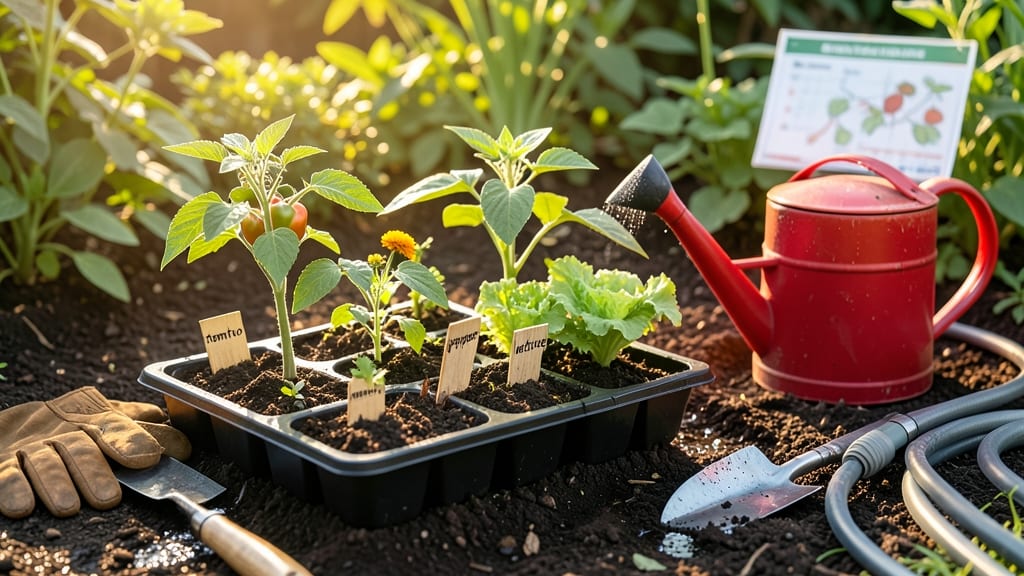
Planting gardens in Ohio depends on knowing your zone’s frost dates — 6a-6b gardeners can’t afford to wait too late, or their cool-season crops will bolt before harvest.
Ohio’s unpredictable frost dates can turn a gardener’s dream into a risky gamble—but knowing the exact timing for your zone means the difference between a thriving harvest and a wasted seed packet.
With 165 frost-free days in most of the state, timing is everything. Start cool-loving veggies like lettuce and peas 4-6 weeks before April 15, while tomatoes and peppers need to wait until two weeks after the last frost.
Below, I break down the best planting windows by crop, how to adjust for late frosts, and when to start seeds indoors for a head start on Ohio’s spring growing season.
Ohio’s frost-free dates by Zone: when to plant cool-season vs warm-season crops
Ohio’s USDA zones 5-7 create a diverse gardening landscape, where last frost dates can vary by 2-3 weeks from north to south. In Zone 5 (northeast Ohio), gardeners typically see their average last frost around May 15, while Zone 7 (southwest Ohio) often warms up by April 15.
These differences mean cool-season crops like lettuce and peas can go in earlier in the south, while northern gardeners must wait longer.
Understanding these frost-free windows is critical because planting too early risks frost damage, while waiting too long can shorten your harvest season. For example, tomatoes and peppers need warm soil to germinate—planting them too soon in cooler zones leads to poor growth.
Meanwhile, spinach and kale thrive in cooler temperatures and can handle light frosts once established.
| Zone | Avg. Last Frost | Avg. First Frost | Cool-Season Planting | Warm-Season Planting |
|---|---|---|---|---|
| 5 (Northeast) | May 15 | October 15 | March 15 - April 15 | May 20 - June 1 |
| 6a (North-Central) | April 30 | October 1 | March 1 - April 1 | May 1 - May 15 |
| 6b (Central) | April 15 | September 30 | February 28 - March 31 | April 20 - May 1 |
| 7 (Southwest) | April 1 | November 1 | February 15 - March 15 | April 1 - April 15 |
Microclimates add another layer of complexity. A south-facing slope warms up faster than a shady valley, potentially extending your planting window by 1-2 weeks. Urban areas with concrete and pavement can also trap heat, creating pockets where tomatoes or peppers might thrive earlier than rural zones.
Always scout your garden’s microclimate for 2-3 years to refine your timing.
For cool-season crops, aim to plant 4-6 weeks before your average last frost. This gives seedlings time to establish roots before temperatures rise. For example, spinach and peas can handle light frosts, so they’re safe to sow as early as March in Zone 6b.
In contrast, warm-season crops like cucumbers and squash need soil temperatures above 60°F, so wait until 2-3 weeks after your last frost.
Ohio’s first fall frost also varies by zone, typically arriving between October 15 (Zone 5) and November 1 (Zone 7). This means cool-season crops like kale and carrots can be planted as late as August or early September for a fall harvest.
Use row covers to extend the season by 2-4 weeks in cooler zones.
Pro tip: Use frost-sensitive plants like basil or okra as weather indicators. If they thrive, your warm-season window is safe. If they wilt, hold off on planting heat-lovers for another week.
Always keep a frost cloth handy for late-spring surprises—they can save a $5 seed packet from becoming a $5 lesson.
Adjust for soil temperature, not just air temperature. Use a soil thermometer to confirm warm-season crops are planted in soil above 60°F. Cold soil slows germination, leading to weak, leggy seedlings.
In Zone 5, this might mean waiting until late May for tomatoes, even if the air feels warm.
Finally, account for Ohio’s erratic weather. A late-May frost in Zone 6b isn’t unheard of, so always have backup planting dates. For example, if you miss your early May window for cucumbers, try again in mid-June—just be prepared for a shorter
Best planting calendar for Ohio gardens: month-by-month guide by crop type
Ohio’s variable frost dates mean your tomatoes could be at risk one year but thrive the next. To beat the odds, I’ve broken down the best planting windows by crop type—whether you’re starting seeds indoors or sowing directly outdoors.
This calendar accounts for Ohio’s Zone 5-7 and erratic weather, so you can adjust for late frosts or early heatwaves.
For cool-season crops like kale and spinach, timing is critical. These hardy greens can handle light frosts, but planting too late means bitter leaves. Meanwhile, warm-season crops like peppers and cucumbers need soil temperatures above 60°F to germinate—waiting too long risks a short harvest season.
Here’s how to nail it every time.
- 1. February-March: Start indoor seeds for tomatoes, peppers, and eggplants (6-8 weeks before last frost).
- 2. Late March: Direct-sow cold-hardy crops like spinach, lettuce, and radishes (4-6 weeks before last frost).
- 3. April (after frost date): Transplant tomatoes, peppers, and cucumbers (soil temp ≥60°F).
- 4. May-June: Sow beans, squash, and corn (direct-sow after last frost).
- 5. July-August: Start fall crops like kale and broccoli (6-8 weeks before first frost).
- 6. September: Direct-sow cool-season crops for a fall harvest (radishes, carrots, peas).
Pro tip: Use black plastic mulch in early spring to warm soil faster for heat-loving crops. If frost threatens in May, cover tender plants with row fabric. For northern Ohio, add 1-2 weeks to these timelines—delaying tomatoes until mid-May can save your plants from late frosts.
Ohio’s fall planting is often overlooked but just as productive. By sowing spinach or garlic in August, you’ll harvest fresh greens when winter sets in. Just remember: soil prep is key—amend beds in early spring and fall to avoid compacted soil during planting seasons.
For container gardens, adjust timelines slightly—pots warm up faster, so you can plant cucumbers or peppers 1-2 weeks earlier than in-ground beds. Just ensure containers have drainage holes and use lightweight potting mix to prevent root rot during Ohio’s humid summers.
Track your local frost dates using the Old Farmer’s Almanac or your county extension office. Even a 5-day delay can mean the difference between a bountiful tomato harvest and a sad, stunted plant. Happy planting—your garden’s success starts with the calendar! 🌱