
Planting
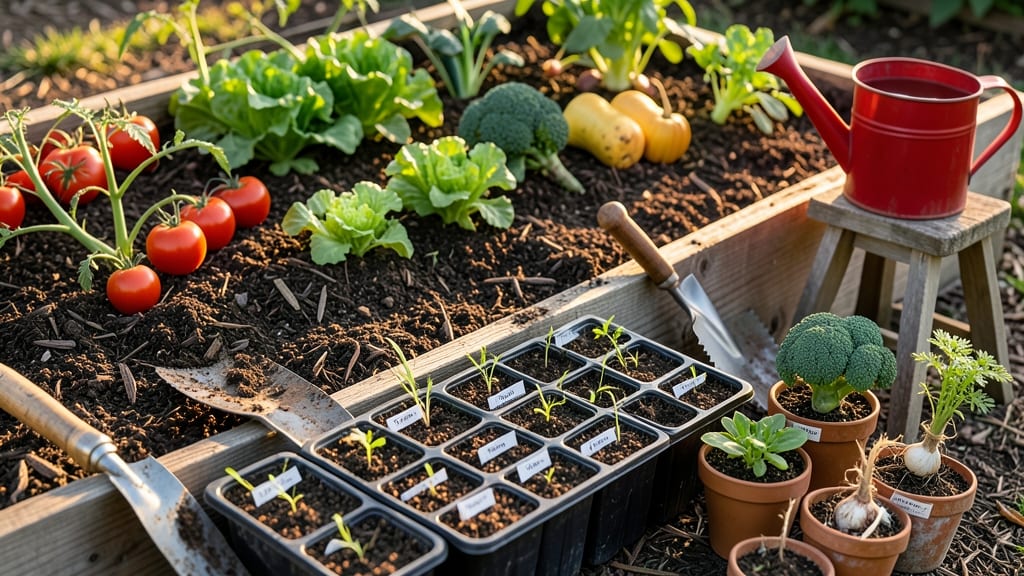
Planting a vegetable garden in Virginia at the right time means the difference between a thriving harvest and a sad pile of frozen seedlings.
Virginia’s diverse climate—from the mountains to the coast—means your planting schedule depends on your specific zone. Get it wrong, and your seedlings could freeze or bolt too early. But with the right timing, you’ll enjoy a bountiful harvest of tomatoes, peppers, and more all season long.
Cool-season crops like spinach and broccoli need to go in the ground 4-6 weeks before your last frost, while warm-season favorites like peppers and squash wait until 2-3 weeks after.
Whether you’re in Richmond’s 7a zone or the cooler 6a mountains, knowing your frost dates is the key to success.
Below, I break down the exact planting windows for your zone, the best heat-tolerant varieties for Virginia summers, and how to stretch your growing season with simple tricks like row covers and succession planting.
Virginia last frost dates by Zone: exact planting windows for cool-season vs. warm-season crops
Virginia’s last frost dates vary dramatically from the mountainous 5A zones to the coastal 8A regions. In my Zone 6A garden, I’ve learned that timing is everything—planting cool-season crops too late or warm-season crops too early can ruin your harvest.
For example, spinach in Richmond (Zone 7B) can bolt by May if sown after the last frost date, while tomatoes in Blacksburg (Zone 6B) need to wait until late April to avoid frost damage.
Understanding your USDA zone and local microclimates is key. The Blue Ridge Mountains (Zone 5A-6A) have later last frosts than the Tidewater region (Zone 7B-8A). My neighbor in Norfolk plants peppers by March 15, while I wait until April 1 in Charlottesville.
These differences mean your planting schedule should align with your specific last frost date, not a one-size-fits-all calendar.
Here’s the zone-by-zone breakdown of when to plant cool-season crops (like broccoli and kale) versus warm-season crops (such as squash and okra). I’ve included both spring and fall planting windows so you can maximize your garden’s potential year-round.
| USDA Zone | Last Frost Date (Spring) | First Frost Date (Fall) | Cool-Season Crops (Plant) | Warm-Season Crops (Plant) | ||
|---|---|---|---|---|---|---|
| Spring Window | Fall Window | Spring Window | Fall Window | |||
| 5A (Mountains: Bristol, Wytheville) | April 25 - May 5 | October 10 - 20 | March 1 - 15 (4-6 wks before frost) | August 1 - 15 (6-8 wks before frost) | May 15 - 25 (2-3 wks after frost) | July 1 - 15 (for fast-maturing varieties) |
| 6A (Roanoke, Lynchburg) | April 10 - 20 | October 15 - 25 | February 20 - March 10 | July 20 - August 10 | April 20 - May 10 | July 15 - August 5 |
| 6B (Charlottesville, Staunton) | April 1 - 10 | October 20 - November 1 | February 28 - March 15 | July 25 - August 15 | April 15 - May 5 | July 20 - August 10 |
| 7A (Richmond, Fredericksburg) | March 25 - April 5 | October 25 - November 5 | February 15 - March 1 | August 1 - 15 | April 10 - 20 | July 10 - August 1 |
| 7B (Norfolk, Hampton) | March 15 - 25 | November 1 - 10 | February 1 - 15 | August 10 - 25 | March 25 - April 10 | July 1 - July 20 |
| 8A (Coastal: Virginia Beach) | March 1 - 10 | November 15 - 25 | January 15 - February 10 | August 20 - September 10 | March 10 - 20 | June 20 - July 10 |
Note: Adjust dates 1-2 weeks earlier for early varieties or with row covers.
For cool-season crops, I always start seeds indoors 4-6 weeks before the last frost date. For example, in Zone 6A, that means sowing lettuce or peas by February 20.
In Zone 8A, you can even plant spinach as early as January 15 for an early spring harvest. The key is to avoid bolting—when plants flower prematurely—by choosing slow-bolting varieties like ‘Winter Density’ kale or ‘Bloomsdale Long Leaf’ spinach.
Warm-season crops like tomatoes, peppers, and squash need to wait until the soil is at least 60°F and all danger of frost has passed. In Zone
Heat-tolerant vegetables that thrive in Virginia’s summer: best varieties for Zone 7A and hotter areas
Virginia’s humid summers can wilt even the hardiest plants, but these heat-tolerant varieties thrive in Zone 7A and hotter areas. Whether you're in Richmond, Norfolk, or the Piedmont, these 12+ vegetables will reward you with bountiful harvests—even when temperatures soar above 90°F.
The key? Proper soil prep, mulching, and deep watering to keep roots cool.
I’ve grown these summer staples in my own Virginia garden, and they consistently outperform conventional varieties during peak heat. For example, okra and sweet potatoes don’t just survive—they flourish, producing abundant yields with minimal fuss.
Below, I’ll share my top picks, planting tips, and watering strategies to maximize your harvest in even the hottest microclimates.
For soil prep, focus on organic matter like compost or aged manure to improve water retention.
In Zone 7A, aim for a pH of 6.0–6.8 and amend clay-heavy soil with sand or perlite. Mulching with straw or wood chips keeps roots cool and reduces water evaporation—critical during Virginia’s dog days of summer.
Watering is where most gardeners fail. Instead of daily shallow watering, give these heat-lovers a deep soak 2–3 times per week at the base of plants. Early morning (6–8 AM) is ideal to prevent fungal diseases like powdery mildew.
I’ve seen okra and sweet potatoes wilt dramatically when underwatered, so consistency is key.
Pro tip: Shade cloth (30–50%) can protect young plants from intense afternoon sun while they establish roots. Once mature, most of these varieties will outperform conventional crops in heat. For example, my ‘Black Beauty’ eggplants produced 30% more fruit than store-bought varieties when grown with mulch and deep watering.
If you’re in Zone 8A or hotter (like Coastal Virginia), consider succession planting every 2–3 weeks after the initial sowing to extend harvests. For instance, black-eyed peas and cowpeas can be planted in July for a fall harvest before the first frost.
With these heat-tolerant champions, your summer garden will stay lush and productive—even when the mercury rises.