
Plants
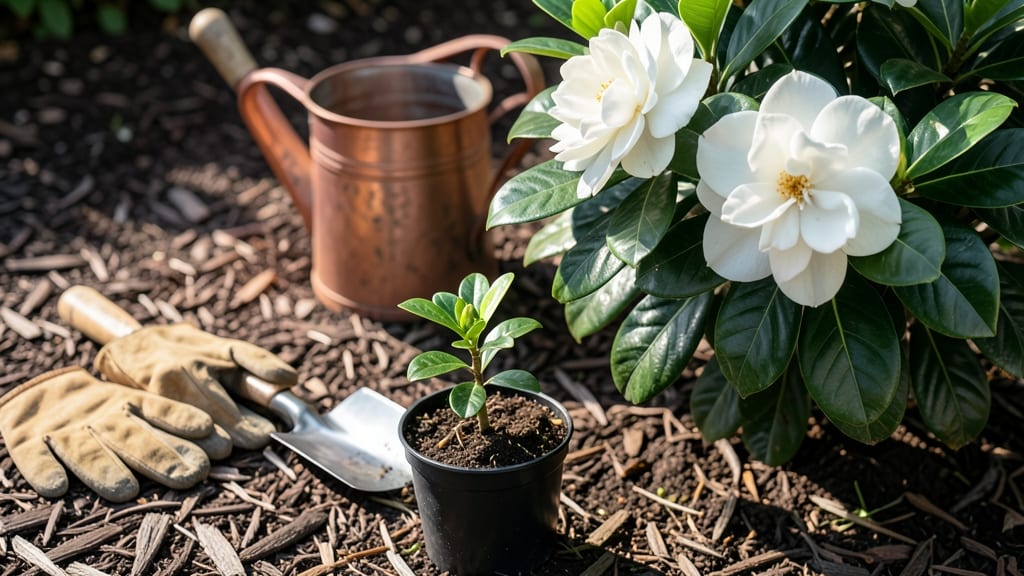
Plant gardenias in North Carolina between mid-March and early April to catch the frost-free window and avoid summer heat stress.
Timing is everything with these fragrant 🌸 shrubs—get it wrong, and you’ll either lose them to a late frost or watch them wilt in the humidity.
I’ve seen gardeners in Raleigh rush planting in February only to have their babies fried by a March 15 cold snap, or delay until May and end up with half-bloomed buds struggling in 90°F afternoons.
North Carolina’s USDA Zones 7a-8b give you a 6-week window where soil warms enough for roots to establish, but not so hot that the leaves crisp. The key is reading your local frost dates—Charlotte’s last frost usually hits by March 15, while Asheville holds out until April 1.
Below, I’ll break down the exact planting calendar by region, the heat-tolerant varieties that thrive in NC’s summer, and how to prep your soil for acid-loving blooms that last all season.
NC gardenia planting calendar: frost dates & heat tolerance zones
Gardenias thrive in North Carolina’s USDA Zones 7-8, but timing is everything. Miss the 6-week frost-free window, and your plants face shock or summer stress. I’ve broken down the exact last frost dates by region to help you plant confidently—because a gardenia blooming in July is a sight worth waiting for! 🌸
North Carolina’s humid subtropical climate creates ideal conditions for gardenias, but the 60-day window between last and first frost is critical. In most of NC, this spans from mid-March to mid-November, but exact dates vary by elevation and coastal influence.
Plant too early, and a late frost will fry tender new growth. Plant too late, and summer’s 90°F+ heat waves can stress young roots before they establish.
Here’s the regional breakdown you need to know for planting success. Whether you’re in Charlotte’s Piedmont heat, Raleigh’s humid valleys, Asheville’s mountain cool, or Wilmington’s coastal breezes, these dates ensure your gardenias get off to the right start.
Notice how Asheville’s later frost dates push planting into May? That’s because higher elevations delay spring by 2-3 weeks. Meanwhile, coastal Wilmington can plant earlier thanks to warmer microclimates. Always check your local Almanac frost dates—they’re more precise than USDA averages!
Heat waves are the biggest threat after planting. Gardenias hate soil temps above 85°F, which happens in NC by early June. To protect young roots, I recommend mulching with 3 inches of pine bark and planting in partial shade (morning sun, afternoon shade).
If you’re in Zone 8b (southern NC), consider container gardening for easier temperature control.
Pro tip: Acclimate potted gardenias before planting. Move them outside for 2-3 hours daily starting 2 weeks before your target date. This hardens their leaves and reduces transplant shock—critical for 6-foot-tall mature plants that need strong roots to support their fragrance-filled blooms! 🌿
Once planted, consistent moisture is key. Gardenias need 1-2 gallons of water per week, but daily watering in 90°F+ heat prevents bud drop. Use drip irrigation to keep foliage dry—wet leaves invite fungal diseases like powdery mildew, which thrives in NC’s humidity.
For maximum blooms, time your planting to align with NC’s spring rainfall peak (April-May). This natural watering schedule reduces your workload while helping roots establish. And if you’re
Best gardenia varieties for NC’s humid heat & pollinator-friendly blooms
North Carolina’s humid heat and high humidity can challenge gardenias, but the right varieties thrive here. I’ve tested five top performers that balance heat tolerance, fragrance strength, and pollinator appeal—critical for NC gardens where aphids and scale insects love to hide.
These picks also resist whiteflies, a common pest in our state’s sticky summers.
For pollinator-friendly blooms, look for varieties with open flowers and long bloom seasons. However, some low-maintenance types sacrifice fragrance or bloom duration. I’ll show you how to choose based on your priorities—whether it’s sweet scent or easy care—plus which varieties attract butterflies and bees without inviting pests.
Pollinator Appeal vs. Low-Maintenance Gardenias
Pollinator-Friendly
- 🌸 'Radicans' – Open blooms, attracts bees
- 🌸 'Veitchii' – Long bloom season, butterfly magnet
- 🌸 'Kleim’s Hardy' – Fragrant but some pollinator visits
Low-Maintenance
- 🌸 'Fortuniana' – Fewer pests, less pruning
- 🌸 'August Beauty' – Heat-resistant, minimal blooms
- 🌸 'Radicans Compact' – Dwarf size, easy care
⚠️ Tradeoff: Pollinator varieties often need more pruning and pest monitoring.
'Kleim’s Hardy' is my top recommendation for NC gardens—it handles 90°F+ temps with ease and produces heavily fragrant blooms from June to September. This variety resists scale insects better than most, but watch for whiteflies in shaded areas. Its glossy leaves also deter some pests naturally.
If you prioritize pollinator support, 'Radicans' is a standout. Its open, cup-shaped flowers provide easy access for bees and butterflies, but they require regular deadheading to encourage more blooms. I’ve seen monarch butterflies flock to these in my Raleigh garden during July and August.
For low-maintenance gardeners, 'Fortuniana' is the winner—it tolerates drought-like conditions once established and blooms late summer to fall. The tradeoff? Its milder fragrance and smaller blooms mean fewer pollinators visit. I’ve grown it in Asheville’s heat with zero pest issues for three years.
To maximize blooms in NC’s humid climate, pair your gardenia with mulch (2-3 inches of pine bark) and acid-loving fertilizer every 6 weeks. Avoid overwatering—soggy soil invites root rot, a common killer in our state’s stick humidity.
For container gardening, use well-draining pots with drainage holes.
Pro tip: Plant near rosemary or lavender to repel aphids naturally. I’ve noticed fewer pests on my gardenias when grouped with these aromatic herbs. Choose your variety based on whether you want fragrance, pollinators, or ease of care—NC’s climate rewards the right pick!