
Plants
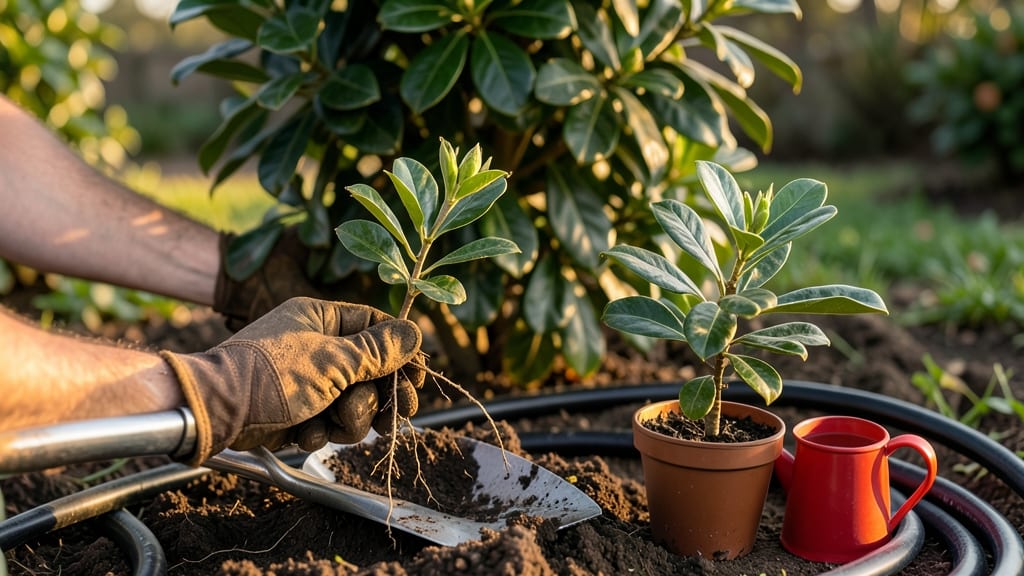
Plant gardenias in Texas after your last frost date—typically late February for South Texas or mid-March in North Texas—to give these fragrant 🌸 shrubs the warm soil they crave.
Texas gardeners know the struggle—planting gardenias too early risks frost damage, while waiting too long can stunt summer blooms. Timing is everything for these heat-loving shrubs, and getting it right means fragrant, vibrant flowers from June to September.
In zones 8a-10b, gardenias thrive when planted in late winter or early fall, avoiding the brutal summer heat. The key is warm soil—at least 60°F—and a spot with partial shade to protect delicate blooms.
Below, I’ll walk you through the best months by region, soil prep tips, and how to keep your gardenias blooming all season—without the guesswork.
Best planting months for gardenias in Texas Zones 7b-10a
Texas gardeners know gardenias thrive in heat and humidity, but timing their planting is tricky. The wrong window can mean frost damage in North Texas or heat shock in South Texas.
I’ve planted gardenias in Zones 7b-10a for years, and I’ve learned the best months depend on your region and plant type. Container plants need different care than bare-root transplants, and acclimating them to Texas heat is key to survival.
For container-grown gardenias, late winter to early spring (February–March) is ideal. This gives roots time to establish before summer’s brutal heat. In South Texas (Zones 9b-10a), you can even plant as late as April, but North Texas (Zones 7b-8a) gardeners should wait until after the last frost—usually mid-March.
Bare-root transplants, however, prefer fall planting (September–October) to avoid transplant shock during summer’s peak.
| Zone | Best Planting Window | Soil Temp Requirement | Acclimation Tip |
|---|---|---|---|
| 7b (North Texas) | Feb 20–Mar 15 (containers) or Sep 1–Oct 15 (bare-root) | 60°F+ | Hardening off for 7–10 days before transplanting |
| 8a–8b (Central Texas) | Feb 15–Mar 30 (containers) or Aug 15–Oct 1 | 65°F+ | Use shade cloth for first 2 weeks post-planting |
| 9a–9b (South Texas) | Mar 1–Apr 15 (containers) or Sep 15–Nov 1 | 70°F+ | Mulch heavily to retain moisture |
| 10a (Deep South Texas) | Feb 1–Mar 31 (year-round possible with care) | 68°F+ | Avoid midday sun for first month |
In Zone 7b (North Texas), I’ve seen gardenias fail when planted too early because of late frosts. Wait until after March 15 to ensure safety. For containers, start them indoors in January and move them outside in February.
This head start helps them outpace summer heat. In Zones 9a–10a, where winters are mild, you can plant almost year-round, but fall (September–October) is still best for bare-root plants to avoid transplant shock during summer’s peak.
One of my biggest mistakes was planting a bare-root gardenia in May in Zone 8b. The heat stressed it so badly it took two full seasons to recover. Now, I always acclimate plants gradually by placing them in partial shade for the first week, then slowly increasing sun exposure.
For container plants, I move them to a sheltered spot (like under a patio cover) during the hottest afternoons until they’re fully established.
Texas’s humidity and heat can be overwhelming for gardenias if not managed properly. After planting, I mulch heavily with pine bark or peat moss to keep roots cool and moist. This is especially critical in Zones 9a–10a, where evaporation rates are high.
Water deeply twice a week for the first month, then taper to once a week once the plant is established. Morning watering is a must to prevent fungal issues from overnight humidity.
If you’re planting gardenias in containers, choose terracotta pots (they breathe better than plastic) and use a well-draining, acidic mix (pH 5.0–6.5). I’ve had the most success with ‘Kleim’s Hardy’ and ‘Radicans’ varieties—they tolerate Texas heat better than others.
For in-ground planting, amend your soil with compost and sulfur to lower pH, as gardenias hate alkaline soil. A soil test before planting can save you from nutrient deficiencies later.
For North Texas gardeners (Zone 7b), consider microclimates like near south-facing walls or under deciduous trees. These spots offer protection from harsh winds and extended growing seasons.
In South Texas (Zones 9a–10a), where heat is relentless, I’ve had luck with drip irrigation systems to keep roots consistently moist without wetting the foliage. Avoid overhead watering—it promotes powdery mildew, a common issue in Texas’s humid summers.
One pro tip I swear by: Prune lightly after planting to encourage root growth over top growth. Remove only 10–20% of the foliage to reduce stress. I also fertilize lightly with a balanced acid-l
How Texas heat affects gardenia planting success
Texas summers can turn your gardenia plants into crispy casualties if you don't account for the extreme heat and low humidity. These tropical beauties thrive in 60-75°F soil temperatures, but Texas often hits 90°F+ during peak growing months.
Without proper adjustments, your newly planted gardenias will suffer from transplant shock or even die before they bloom.
One of the biggest mistakes I see is planting gardenias in full summer heat without acclimating them first. The sudden temperature shift from a nursery's controlled environment to a 100°F Texas afternoon can shock the roots and leaves.
Even heat-loving varieties like 'Kleim's Hardy' need time to adjust. The key is gradual exposure and smart post-planting care to give them the best chance of survival.
Avoid These Texas Heat Mistakes
Planting gardenias in direct Texas summer sun without acclimation leads to leaf scorch and root burn. Never plant bare-root gardenias after May 15 in most of Texas—wait until fall or early spring when soil temps are below 80°F. Even container plants need 2-3 weeks of partial shade before moving to full sun.
To beat the heat, focus on soil temperature first. Gardenias hate hot, dry soil, which is why I always check the soil thermometer before planting. Aim for 60-70°F soil temps—any hotter, and the roots will struggle.
In North Texas (Zone 7b), this means waiting until late April or early May, while South Texas (Zone 9a+) gardeners can plant as early as March if they use shade cloth for the first few weeks.
Once planted, mulching becomes your best friend. A 3-inch layer of organic mulch (like pine bark or shredded leaves) keeps roots cool and retains moisture. I swear by black plastic mulch in East Texas—it heats up during the day but insulates roots at night.
Just avoid plastic touching the stems to prevent rot. Pair this with deep watering (1-2 gallons per plant) in the early morning to mimic Texas's natural humid afternoons.
Watering schedules are where most gardeners fail. Daily light sprinkles won't cut it—gardenias need deep, infrequent watering to encourage deep root growth. In peak summer (June-August), I water mine every 2-3 days but soak the soil 6 inches deep.
Use a moisture meter to check; if the top 2 inches are dry, it's time to water. Overwatering is just as bad as underwatering—it causes root rot in the stagnant, hot soil of Texas summers.
Don't forget about humidity adaptation. Gardenias crave 60-80% humidity, but Texas often drops to 30% in summer. To help, I mist my plants daily in the morning or group them with other thirsty plants like camellias or azaleas to create a microclimate.
For container gardenias, a pebble tray with water underneath the pot adds extra moisture without drowning the roots. With these adjustments, your gardenias will thrive even in 100°F Texas heat.