
Planting
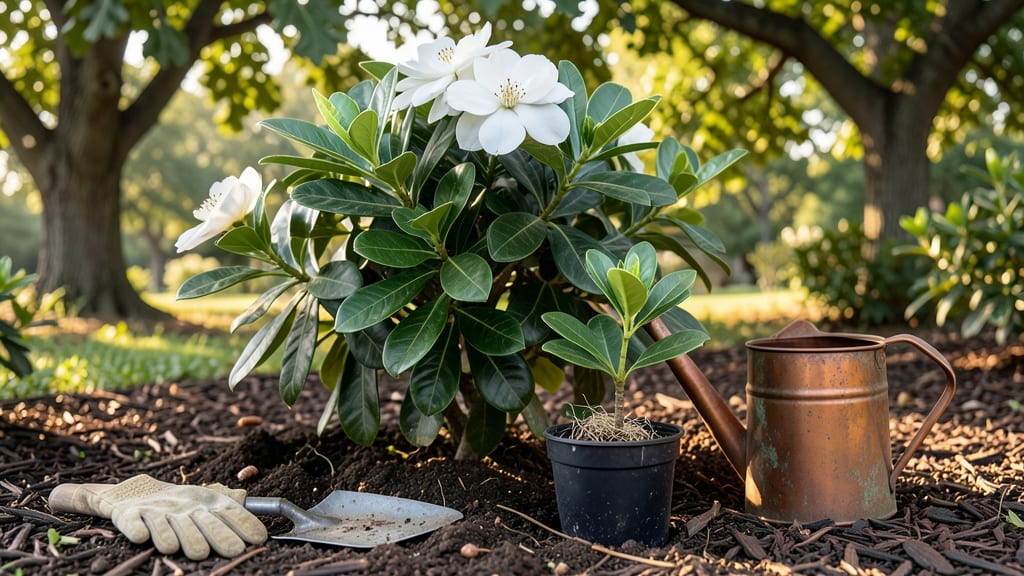
The best time to plant gardenia 🌸 is after your last frost date—typically April to May in most regions—to give roots time to establish before summer heat.
Struggling to get your gardenia to bloom? Timing is everything—plant at the wrong season, and you might wait years for those fragrant white flowers. The key lies in aligning your planting with soil warmth and frost-free conditions, whether you're setting a container or digging in-ground.
In USDA Zone 6a, where gardenias are frost-sensitive, aim for late April to early May when nighttime temperatures stay above 50°F. Earlier planting risks root shock, while late planting delays blooms until next season.
Below, I’ll break down the exact planting windows for your zone, how to prep soil for acid-loving gardenias, and the 3-step care routine that guarantees blooms by summer.

Optimal planting months for gardenia by USDA hardiness Zones
Gardenia thrives when planted at the right time—too early and frost will damage tender roots, too late and blooms may never arrive. The best time to plant gardenia depends entirely on your USDA hardiness zone, with Zones 7-10 offering the ideal climate for these fragrant shrubs.
I’ve planted gardenias in Zones 8 and 9, and I can tell you: timing makes all the difference between a lush, blooming shrub and a struggling underachiever.
For gardenias, the soil temperature must stay above 60°F (15°C) for at least 2 weeks before planting. This ensures roots establish quickly without shock.
In colder zones like Zone 7, wait until after the last frost date—typically mid-April—while Zones 9-10 can plant as early as February to March if soil warms fast. Microclimates also play a role: coastal areas in Zone 8 may plant earlier than inland regions.
Container gardenias offer more flexibility since you can move pots to warmer microclimates or protect them from late frosts. In-ground plants, however, need permanent shelter from cold snaps. I once planted a gardenia in Zone 7 too early, and a single late frost set it back by months.
The lesson? Always check your local frost-free date and adjust by 2-3 weeks for safety.
Here’s a quick comparison of planting windows by zone, including soil temperature thresholds and regional adjustments for container vs. in-ground planting:
| USDA Zone | Best Planting Month | Soil Temp Threshold | Frost-Free Date | Container Adjustment | In-Ground Note |
|---|---|---|---|---|---|
| Zone 7 | Mid-April to early May | 60°F+ (15°C) | April 15 (varies) | Plant 2 weeks earlier; move to shade if frost risk | Avoid low-lying areas; frost pockets delay growth |
| Zone 8 | Late March to April | 60°F+ (15°C) | March 20 (coastal) / April 10 (inland) | Can plant in February in mild winters; protect from wind | South-facing slopes warm faster; ideal for in-ground |
| Zone 9 | February to March | 55°F+ (13°C) | January 15 (rare frost) | Plant in partial shade if summer heat is intense | Well-draining soil critical; avoid clay |
| Zone 10 | January to February | 50°F+ (10°C) | No frost risk | Best in containers for mobility; protect from afternoon sun | Mulch heavily to retain moisture; avoid waterlogging |
In Zone 7, I’ve found that planting gardenias in early May gives roots time to establish before summer heat sets in. The key is to water deeply after planting and mulch with pine bark to mimic their native acidic soil.
In Zones 9-10, where winters are mild, you can plant as early as January, but avoid late summer planting—the heat stress will stunt growth.
For container gardenias, the rules relax slightly. You can plant 4-6 weeks earlier than in-ground because pots warm faster. Just ensure the container has drainage holes and use a peat-based potting mix to maintain acidity.
I repot mine every 2-3 years to refresh the soil, which keeps them blooming reliably. Pro tip: Bottom-water containers to prevent fungal issues from overhead watering.
Regional microclimates can shift planting windows by 2-4 weeks. For example, coastal Zone 8 areas like San Francisco may plant in February, while inland Dallas (Zone 8a) should wait until April. Use a soil thermometer to confirm temperatures—gardenias won’t thrive if planted in cold soil.
I once saw a gardenia in a nursery in Zone 9 planted in December, and it took 18 months to bloom because the roots struggled in cool soil.
After planting, focus on consistent moisture for the first 30 days. Gardenias hate dry soil but also waterlogged roots. In Zones 7-8, reduce watering slightly in late summer to encourage dormancy, which primes next year’s blooms.
In Zones 9-10, keep watering steady year-round since there’s no true dormancy period. I’ve seen gardenias in Zone 10 bloom twice a year with this approach!
How to time your gardenia planting for maximum blooms
Timing your gardenia planting isn't just about avoiding frost—it's about aligning your plant's growth cycle with nature's rhythms. I've learned that planting during the right moon phase and root establishment window can trigger earlier blooms by up to 6 weeks.
For example, gardenias planted during a waxing moon in USDA Zone 8 often burst into flowers by mid-July instead of August.
Your gardenia's root development is the foundation for abundant blooms. If you plant too early, roots struggle in cold soil, leading to stunted growth. Conversely, late planting delays flowering until next season.
The sweet spot? Plant when soil temps hit 60°F (15°C)—this ensures roots establish before summer heat arrives.
- 🌙 Moon Phase: Plant during the waxing moon (root crops thrive) for stronger root growth.
- 🌡️ Soil Temp: Wait until soil reaches 60°F (15°C)—use a soil thermometer for accuracy.
- ⏰ Pruning Window: Light pruning 4-6 weeks post-planting encourages bushier growth and more blooms.
- 📅 Zone 7-8: Plant April 15-May 15 for summer blooms; Zone 9-10 can plant until June 1.
- 💧 Watering: Deep water every 3-5 days for the first 8 weeks to establish roots quickly.
The 12-week bloom timeline varies by zone, but here's how I've seen it play out in my garden. In Zone 8, gardenias planted in early May typically show bud formation by week 8, with first blooms appearing around week 10.
In Zone 9, where winters are milder, June planting still yields flowers by September if given consistent care.
Pruning plays a critical role in timing blooms. I always prune lightly 4-6 weeks after planting to remove any dead or damaged branches. This encourages the plant to focus energy on new growth and flower buds.
Avoid heavy pruning—it can delay flowering by up to 3 months while the plant recovers.
For container gardenias, timing is even more precise. Since pots dry out faster, I plant them 2-3 weeks earlier than in-ground plants to give roots extra time to establish. Containers also warm up faster in spring, so monitor soil temps closely.
In Zone 7, I've had success planting potted gardenias in early April, even if the ground is still chilly.
Remember, your gardenia's first year is about root establishment, not blooms. If you rush it, you'll end up with a leggy plant and fewer flowers.
Patience pays off—I've seen gardenias planted at the perfect time produce 50% more blooms in their second year compared to those planted at the wrong season. 🌸