
Planting
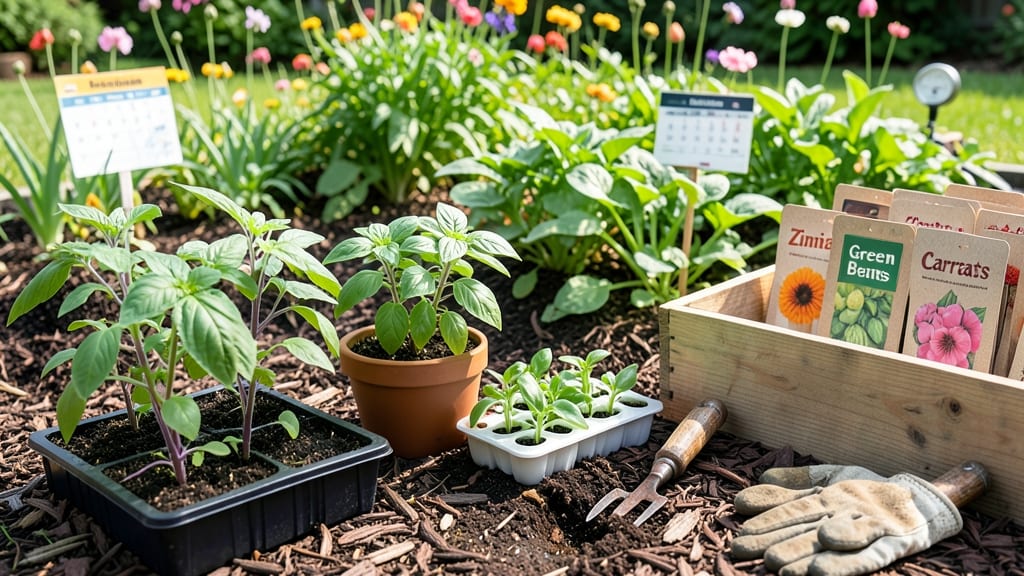
To plant a garden in Pennsylvania successfully, timing is everything—especially with the state’s 5b-7a zones and unpredictable weather.
Picture this: you’ve spent weeks prepping your soil, only to watch your seedlings freeze under a late April frost or bolt in the heat of a June surprise.
Pennsylvania’s diverse climate—from the cool mountains to the humid valleys—means planting your garden at the wrong time can mean wasted seeds and stunted growth.
But get the timing right, and you’ll enjoy a thriving harvest that rivals any nursery’s produce. Whether you’re growing cool-season crops like lettuce or heat-loving tomatoes, knowing when to start seeds indoors and when to transplant outdoors is the key to a healthy, productive garden.
Below, I’ll break down the ideal planting windows by zone, share tips for adjusting to Pennsylvania’s unpredictable weather, and help you avoid common mistakes that derail even the most eager gardeners.
Pennsylvania planting zones: when to start seeds indoors vs. outdoors
Pennsylvania spans USDA Hardiness Zones 5b through 7a, creating distinct planting windows across regions. In Zone 5b (Poconos, northern PA), spring arrives later, while Zone 7a (Philadelphia, Pittsburgh outskirts) enjoys earlier starts. Understanding these zones helps you time seed starting and outdoor planting for maximum success.
Your first step is knowing your last average frost date, which ranges from April 15 in southern PA to May 15 in the north. For example, Philadelphia gardeners can plant warm-season crops like tomatoes 2-3 weeks earlier than those in Erie.
These timing differences directly impact whether your seedlings survive or bolt prematurely.
🌱 Indoor seed starting typically begins 6-8 weeks before your last frost date. In Zone 6a (central PA), that means starting tomatoes in late February, while Zone 5b gardeners wait until early March. Cool-season crops like lettuce and spinach can start indoors 4-6 weeks before transplanting outdoors.
| Zone & Region | Last Frost Date | Indoor Start (Warm Crops) | Outdoor Plant (Cool Crops) | Outdoor Plant (Warm Crops) |
|---|---|---|---|---|
| Zone 5b (Poconos, Erie) | May 15 | Late Feb - Early Mar | Early Apr - Mid May | Late May - Early Jun |
| Zone 6a (Central PA) | April 30 | Late Feb - Early Mar | Mid Apr - Early May | Mid May - Early Jun |
| Zone 7a (Philadelphia, Pittsburgh) | April 15 | Early Feb - Mid Feb | Late Mar - Early Apr | Early May - Mid May |
For cool-season vegetables like broccoli, kale, and peas, plant seeds directly outdoors 4-6 weeks before your last frost date. In Zone 7a, that means late March for Philadelphia, while Zone 5b gardeners wait until mid-April. These hardy crops tolerate light frost and even thrive when temperatures dip.
Warm-season crops such as tomatoes, peppers, and cucumbers need consistent soil temperatures above 60°F to germinate. In Zone 6a, wait until mid-May to plant these outdoors after all danger of frost has passed. Use row covers if early planting is tempting—just be prepared to remove them during heatwaves.
Herbs like basil and cilantro have different needs: basil thrives in hot weather and should only go outdoors after last frost, while cilantro bolts in heat and prefers cooler spring or fall planting. In Zone 5b, sow cilantro in early spring or late summer for best results.
🌿 Fall planting is equally important in PA. Cool-season crops like spinach, radishes, and carrots can be sown as early as mid-August in Zone 7a or early September in Zone 5b for a harvest before winter.
Aim to plant these 6-8 weeks before your first frost date, which typically arrives in mid-October.
If you're unsure about your exact zone, use the USDA Plant Hardiness Zone Map or check local resources like your county extension office. Microclimates—like urban heat islands in Philadelphia or sheltered valleys in the Poconos—can shift planting times by 1-2 weeks, so observe your garden's unique conditions.
Pro tip: Use a seedling heat mat for indoor starts in Zone 5b to speed germination. For outdoor planting, harden off seedlings gradually over 7-10 days before transplanting to avoid shock. With these zone-specific timelines, your PA garden will thrive year after year.
Best months to plant specific vegetables in Pennsylvania’s climate
Pennsylvania’s diverse microclimates—from the cool Poconos to the humid Pittsburgh region—demand precise planting timing. Warm-season crops like tomatoes and peppers need soil temperatures above 60°F, while cool-season greens thrive in early spring or fall. Missing these windows can mean slow growth or failed harvests.
To maximize your garden’s potential, align planting with Pennsylvania’s average last frost date (April 15) and first frost (October 15). Succession planting every 2-3 weeks ensures continuous harvests, especially for fast-growing crops like lettuce or radishes. Below, I’ve broken down the best months for Pennsylvania’s top vegetables.
- 🌱 March-April: Plant cool-season crops like spinach, peas, and kale 4-6 weeks before last frost. Start onions and broccoli indoors in late March.
- ☀️ Late April-May: After last frost, sow warm-season crops like tomatoes, peppers, and beans. Transplant seedlings of peppers and eggplants in late May.
- 🌿 June-July: Plant succession crops like bush beans, cucumbers, and zucchini every 2-3 weeks for continuous harvests. Direct-sow lettuce in partial shade.
- 🍂 August-September: Start fall greens like kale, spinach, and radishes 6-8 weeks before first frost. Plant garlic in October for next year’s harvest.
For heat-sensitive varieties like basil or cilantro, plant in early spring or late summer to avoid wilting. Drought-tolerant crops such as okra or sweet potatoes thrive in Pennsylvania’s hot July-August months. Always check soil temperature with a seedling heat mat if starting indoors.
In Zone 6a (northwest PA), like Erie, extend your season with row covers for early spring plantings. In Zone 7a (southeastern PA), like Philadelphia, you can push fall planting into early October for hearty crops like carrots and Brussels sprouts.
Pro tip: Use mulch to retain soil warmth for warm-season crops and straw mulch to protect cool-season plants from late frosts. Succession planting every 10-14 days keeps your kitchen garden productive all season long.
With these timing strategies, you’ll enjoy a garden bursting with flavor—from early spring radishes to late-fall kale. Happy planting! 🌱