
Planting
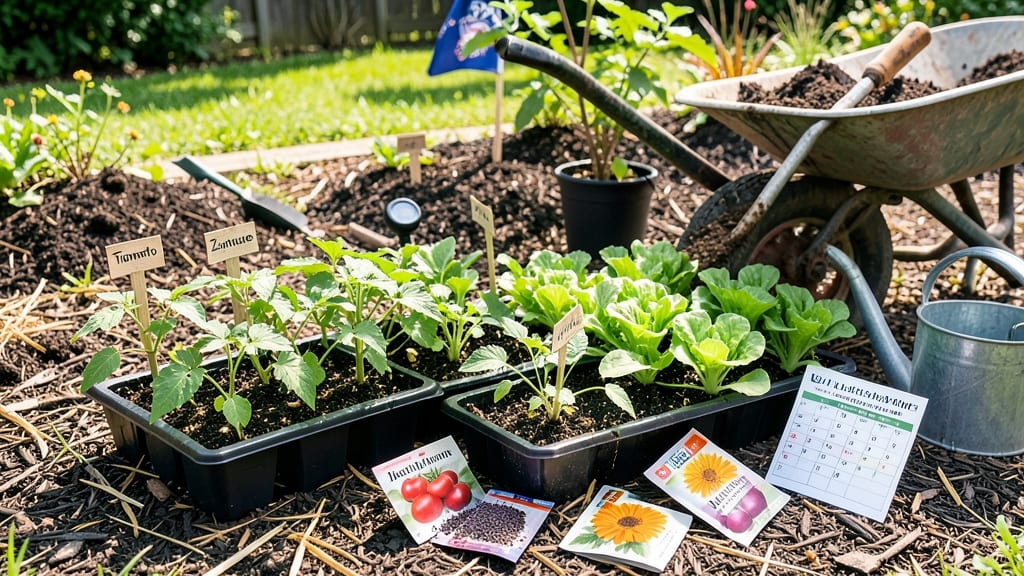
Planting your garden in Pennsylvania at the right time means the difference between a thriving harvest and a sad, frost-nipped failure.
Pennsylvania’s unpredictable frost dates can turn a gardener’s dream into a frozen disaster—unless you know the exact timing for your hardiness zone.
With USDA zones ranging from 5b to 7a, the ideal planting window shifts dramatically from the Poconos to Pittsburgh. Get it wrong, and you risk stunted growth, bolted greens, or worse—watching your seedlings turn to ice crystals overnight.
Below, I break down the zone-specific calendar you need to time your spring and fall plantings perfectly, plus how to adjust for microclimates like urban heat islands or high-altitude chill.
Pennsylvania planting calendar by hardiness Zone (USDA 5b-7a)
Pennsylvania spans five hardiness zones (5b through 7a), each with distinct frost dates that dictate when to plant. Understanding your zone ensures you avoid frost damage while maximizing your garden's potential.
Whether you're in the cooler Poconos (Zone 5b) or warmer Pittsburgh (Zone 6b), timing is everything for a thriving garden.
Last spring frosts can occur as late as May 15 in northern PA, while southern regions may see frost-free conditions by April 15.
First fall frosts range from October 15 in Zone 5b to November 1 in Zone 7a. These dates create a 100-120 day growing window for warm-season crops like tomatoes and peppers.
Below is your zone-specific planting guide, including ideal planting windows for vegetables, flowers, and herbs. Use this as your roadmap to avoid common mistakes like planting tomatoes too early or lettuce too late for harvest before frost.
For Zone 5b gardeners, focus on cold-hardy crops like kale and potatoes, which tolerate late frosts. Start indoor seedlings by March 1 for tomatoes and peppers, then transplant after May 15.
In Zone 6a, you can push the envelope with early tomatoes by using row covers until mid-May.
In Zones 6b and 7a, extend your season with fall planting. Direct-sow spinach and radishes as early as August 1 for harvest before winter. Herbs like basil thrive in these warmer zones—plant them by April 15 for continuous harvests through October.
Always check soil temperatures before planting warm-season crops; aim for 60°F+ for optimal germination.
Use this zone-specific checklist to stay on track: ☑️ Test soil temperature before planting (use a soil thermometer) ☑️ Harden off seedlings for 7-10 days before transplanting ☑️ Mulch after last frost to retain moisture and regulate soil temp ☑️ Monitor local frost forecasts (NOAA or Penn State Extension) for adjustments
Pro tip: Zone 7a gardeners can experiment with tropical plants like ginger or banana trees in containers, moving them indoors before November 10
How to adjust planting dates for Pennsylvania’s microclimates
Pennsylvania’s diverse geography means your neighbor’s perfect planting dates might fail in your garden. The Poconos can experience late frosts weeks after Pittsburgh’s last frost, while urban heat islands in Philadelphia can push spring planting 2 weeks earlier.
Understanding these microclimate variations is key to avoiding frost damage or stunted growth.
Elevation changes alone can shift frost dates by 10-14 days per 1,000 feet gained. For example, Lake Erie’s lake-effect weather might delay spring planting in Erie by 3-5 days compared to rural areas.
Meanwhile, asphalt-heated city gardens can warm soil 5-10°F faster than surrounding farmland, creating ideal conditions for early sowing.
To fine-tune your schedule, monitor soil temperature—not just air temperature. Use a soil thermometer to confirm when 50°F is reached for cool-season crops like lettuce or peas. In high-altitude areas, consider row covers to extend your growing season by 2-3 weeks after the last frost.
For real-time adjustments, rely on local weather tools like the