
Planting
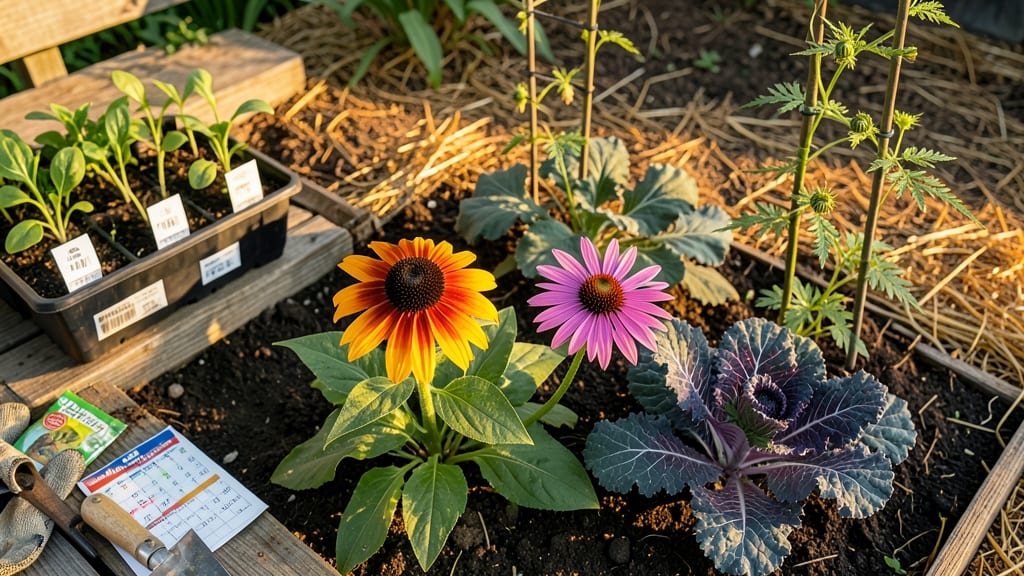
Planting a garden in Minnesota means timing your spring starts and fall harvests to the last frost dates — and those dates shift from Zone 3 in the north to Zone 5 in the south.
Minnesota’s unpredictable climate can make gardening a challenge—but timing your plantings correctly ensures a thriving harvest instead of frost-killed dreams. Knowing the exact frost-free dates for your zone and plant type is the difference between a bountiful garden and a season of second-guessing.
Cool-season crops like peas and spinach can handle a light frost, while warm-season favorites like tomatoes and peppers need the soil to be at least 50°F before going in. Starting seeds indoors in March gives you a head start, but outdoor planting waits until after May 15 in most areas.
Below, I break down the frost-free timeline by zone, the best planting calendar for your 🌱 garden, and how to extend your season with row covers and cold frames. Ready to grow?
Minnesota frost-free dates by hardiness Zone: when to plant cool vs warm-season crops
Minnesota’s USDA hardiness zones 3-5 create dramatic differences in frost-free dates, with northern areas like Zone 3 facing 120-140 frost-free days while southern Zone 5 enjoys 150-170 days.
These variations mean your cool-season crops like spinach and peas can thrive in Zone 3’s early spring, while warm-season favorites like tomatoes and peppers need precise timing to avoid late frosts.
Understanding your zone’s average last frost date (April 15 in Zone 5 vs May 1 in Zone 3) is the first step to planning a successful garden.
For cool-season vegetables, the key is planting as soon as the soil is workable—often 4-6 weeks before your last frost date. In Zone 4, that might mean mid-April for spinach and peas, while lettuce and radishes can handle light frosts.
Meanwhile, warm-season crops like tomatoes and peppers need soil temperatures above 55°F and should wait until 2-3 weeks after your last frost, typically late May in most of Minnesota.
Urban gardens may experience earlier warming due to the "heat island" effect, while rural areas can lag by 1-2 weeks.
Here’s how Minnesota’s three primary zones break down for planting:
| Zone & Location | Avg. Last Frost Date | Cool-Season Planting Window | Warm-Season Planting Window | Microclimate Adjustments |
|---|---|---|---|---|
| Zone 3 (North MN: International Falls, Duluth) | May 1 - May 15 | April 1 - April 15 (soil workable) | May 20 - June 1 (soil 55°F+) | Rural areas: delay 1 week; urban: advance 3-5 days |
| Zone 4 (Central MN: St. Cloud, Brainerd) | April 25 - May 10 | April 1 - April 15 | May 15 - May 30 | Lakeside areas: 5-7°F warmer; valleys: colder |
| Zone 5 (South MN: Rochester, Mankato) | April 15 - April 25 | March 25 - April 10 | May 1 - May 15 | Urban heat islands: plant warm crops 1 week earlier |
*Adjust for microclimates: Urban areas warm faster; rural/valleys stay colder. Use row covers for early starts!
In Zone 3, where frosts linger later, I recommend starting cool-season crops indoors in March and using row covers to extend the season. For example, peas and spinach can go in as early as April 1, while broccoli and cabbage wait until April 15.
Meanwhile, warm-season crops like tomatoes and peppers should only hit the ground after May 20, or you risk frost damage.
In Zone 5, the window opens earlier—cool crops can start as early as late March, and warm crops like cucumbers and squash can safely go in by May 1.
Microclimates play a huge role in Minnesota gardening. Urban areas like Minneapolis and St. Paul often experience earlier soil warming due to pavement and buildings retaining heat—a phenomenon called the urban heat island effect. This can mean planting warm-season crops 1-2 weeks earlier than rural areas.
Conversely, valleys and low-lying spots tend to stay colder, sometimes delaying planting by up to 10 days. If you’re unsure about your microclimate, I suggest monitoring a soil thermometer—warm-season crops need soil temps above 55°F for 2 weeks straight before planting.
For cool-season crops, focus on hardy varieties like 'Early Wonder' peas or 'Winter Density' kale, which tolerate light frosts. These can be planted 4-6 weeks before your last frost date and often produce bolting-resistant harvests.
Meanwhile, warm-season crops benefit from transplanting instead of direct sowing. Start tomatoes and peppers indoors in March (8-10 weeks before last frost) and move them outside
Best planting calendar for Minnesota gardens: month-by-month guide for vegetables, herbs, and flowers
Minnesota’s short growing season demands precision when planting—miss the window, and you risk frost damage or stunted growth.
My month-by-month guide breaks down the ideal timing for vegetables, herbs, and flowers, accounting for the state’s USDA Zones 3-5 and average last frost dates (mid-May in northern MN to early May in southern regions).
Start with cool-season crops like peas and spinach in early spring, then transition to warm-season favorites (tomatoes, peppers) after Memorial Day. Flowers like pansies and snapdragons thrive in Minnesota’s cooler weather, while marigolds and zinnias love summer heat.
Use this calendar to maximize your harvest and enjoy blooms all season long.
Pro tip: Use row covers to extend planting windows by 2-3 weeks in early spring or late fall. For succession planting, try sowing lettuce every 10 days from May through July—this ensures a steady supply of fresh greens all season.
Minnesota’s first frost typically arrives in late September to October, so plan to harvest warm-season crops before temperatures drop. Save seeds from your best performers and start indoor seedling projects in November to keep your green thumb active year-round.
With this calendar, you’ll avoid common mistakes like planting tomatoes too early or missing the window for cool-season crops. Happy gardening—your future harvests will thank you! 🌱