
Planting
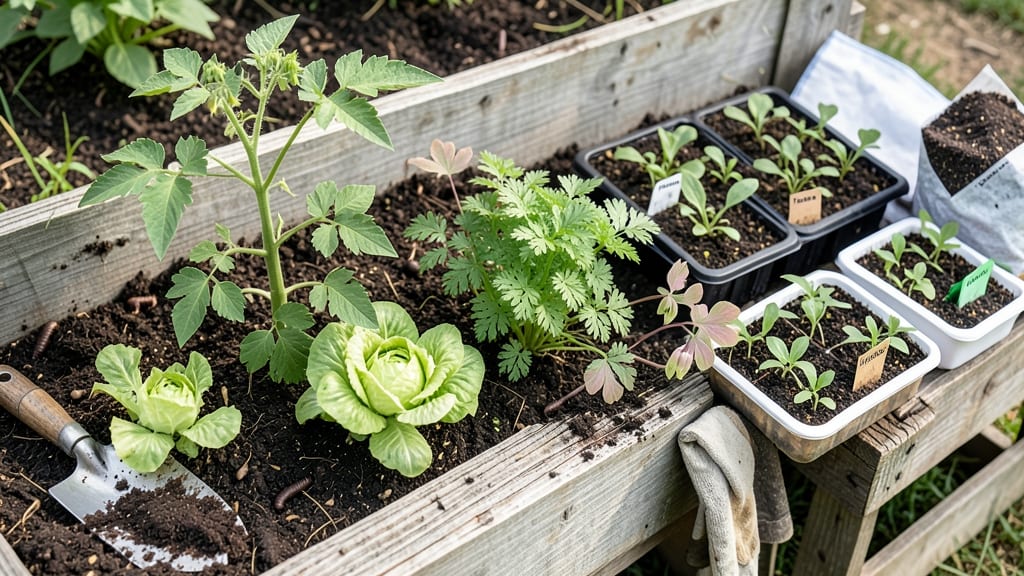
Planting a garden in Michigan means timing your seeds and transplants to beat the frost—typically between mid-April and early June, depending on your zone.
Get it wrong, and you’ll watch your seedlings turn to mush overnight. I’ve seen it happen more times than I’d like to admit, especially in the Upper Peninsula where frost lingers well into May.
The key is knowing your last frost date and adjusting for cool-season crops like peas or warm-season stars like tomatoes.
Michigan’s zones range from 4 to 6, and even a few miles can shift your planting window by weeks. Southern Michigan might be ready by late April, while northern areas wait until June.
That’s why I’ve broken down the exact dates—and the best plants for each window—so you can avoid the heartbreak of a late freeze.
In this guide, you’ll find a zone-by-zone planting calendar, tricks to extend your season with row covers, and the most foolproof schedule for vegetables, flowers, and perennials. No more guessing—just a thriving garden from seed to harvest.
Michigan planting zones: frost dates and last frost deadlines by region
Michigan's diverse climate means your planting timeline can vary by hundreds of miles—and even yards. The state spans USDA Zones 4-6, with the Upper Peninsula facing colder springs than Southern Michigan.
Knowing your last frost date is critical, as planting too early can fry tender seedlings while waiting too long shrinks your harvest window.
For most of Michigan, the average last frost date falls between April 15 and June 1, but these dates shift dramatically depending on your region.
The Upper Peninsula often sees frost as late as May 20, while Southwest Michigan gardeners can sometimes plant warm-season crops by April 20 without risk.
Microclimates—like urban heat islands, lake-effect zones, or sheltered valleys—can push your last frost date 1-3 weeks earlier than official averages. For example, Grand Rapids might see frost-free soil by May 5, while nearby Muskegon could be ready 10 days earlier due to lake influence.
Here’s how to use this data: Cool-season crops (spinach, peas, lettuce) can often go in 2-4 weeks before your last frost date, while warm-season plants (tomatoes, peppers) need soil temperatures above 60°F and no frost risk for at least 2 weeks.
🌱
| Region | USDA Zone | Avg. Last Frost Date | Safe Planting Window | Microclimate Notes |
|---|---|---|---|---|
| Upper Peninsula (Marquette, Houghton) | Zone 4a-4b | May 10–May 25 | Cool crops: April 15 Warm crops: June 1 |
Lake Superior delays warming; valleys frost later. |
| Northern Lower Peninsula (Traverse City, Gaylord) | Zone 5a-5b | May 1–May 15 | Cool crops: April 1 Warm crops: May 20 |
Lake Michigan moderates temps; urban areas warm faster. |
| Central Michigan (Lansing, Jackson) | Zone 5b-6a | April 25–May 10 | Cool crops: March 20 Warm crops: May 10 |
Inland areas frost earlier; river valleys stay warmer. |
| Southern Michigan (Detroit, Kalamazoo) | Zone 6a-6b | April 15–April 30 | Cool crops: March 1 Warm crops: April 20 |
Urban heat islands can push dates 1 week earlier. |
| Southwest Michigan (Grand Rapids, Benton Harbor) | Zone 6a-6b | April 10–April 25 | Cool crops: February 28 Warm crops: April 15 |
Lake Michigan creates microclimates; frost risk drops faster. |
To pinpoint your exact last frost date, check the National Oceanic and Atmospheric Administration (NOAA) or local Cooperative Extension Service records for the past 5-10 years. These averages can shift 3-5 days per decade due to climate change, so always verify before planting heat-loving crops like tomatoes or peppers.
For perennials and shrubs, timing matters too—plant in early spring or fall when the ground isn’t frozen but the air isn’t scorching. In Zone 4 (Upper Peninsula), aim for May 1 or September 15 to avoid transplant shock from late frosts or drought stress.
Pro tip: Use frost cloth or row covers to extend your planting window by 2-4 weeks in early spring. I’ve successfully planted broccoli and cabbage in late March in Zone 6 using this method, shaving weeks off the growing season.
🌿
If you’re in a transition zone (like Zone 5b-6a), err on the side of caution for warm-season crops. I once lost a $50 tomato plant in May because a late frost hit my Grand Rapids garden—a mistake I won’t repeat!
Start with slow-growing varieties like ‘Early Girl’ tomatoes or ‘Black Krim’ tomatoes, which mature faster in cooler soils.
For flower gardens, most annuals (like marigolds or zinnias) can handle light frosts, but tender
Best planting schedule for vegetables, flowers, and herbs in Michigan
Michigan’s variable climate demands precise timing for your garden—plant too early and risk frost damage, too late and miss peak harvests. Cool-season crops like spinach and peas thrive in spring’s chill, while tomatoes and peppers need warm soil to germinate.
Perennials like asparagus and lavender have unique windows too. Let’s break down the ideal planting schedule for Michigan’s USDA Zones 4-6, including heat-tolerant swaps for late starts.
Start by checking your last frost date—typically May 10-20 in Southern Michigan and June 1-15 in Northern regions. For cool-season crops, sow seeds 4-6 weeks before your last frost, while warm-season plants should wait until soil reaches 60°F (usually late May).
Perennials often go in early spring or fall for root establishment.
🌱 Michigan Planting Timeline by Category
- 1 March-April: Plant cool-season veggies (spinach, peas, lettuce) and hardy perennials (asparagus crowns).
- 2 Late April-May: Direct-sow warm-season crops (beans, cucumbers) after soil warms to 60°F.
- 3 May-June: Transplant tomatoes, peppers, and herbs (basil, cilantro) after last frost.
- 4 June-July: Sow heat-tolerant varieties (Malabar spinach, okra) or succession-plant bush beans.
- 5 August-September: Plant fall crops (kale, radishes) for harvest before first frost (October 10-20).
For Northern Michigan (Zones 4-5), delay warm-season planting until after June 1 to avoid late frosts. In Southern Michigan (Zone 6), you can start 2 weeks earlier and extend fall planting into early September. Always monitor soil temperature—a soil thermometer is your best tool for accuracy.
Pro tip: Use row covers to protect early plantings or extend fall harvests.
For herbs like basil, which bolts in heat, opt for Genovese varieties or plant in partial shade during July’s peak temperatures. Lavender and rosemary thrive in Michigan’s dry summers—plant them in well-draining soil with full sun exposure.
If your season runs short, prioritize fast-maturing varieties like ‘Early Girl’ tomatoes (55 days) or ‘Sugar Ann’ peas (60 days). For perennials, establish asparagus in spring for harvests in years 2-3, while rhubarb can handle Michigan’s winters once rooted. Mulch heavily in late fall to protect roots.
Remember: Michigan’s microclimates vary—sheltered spots may warm 1-2 weeks earlier than open fields. Adjust your schedule based on local observations and past year’s frost data. With this timeline, you’ll maximize your garden’s potential—no wasted seeds or missed harvests! 🌿