
Planting
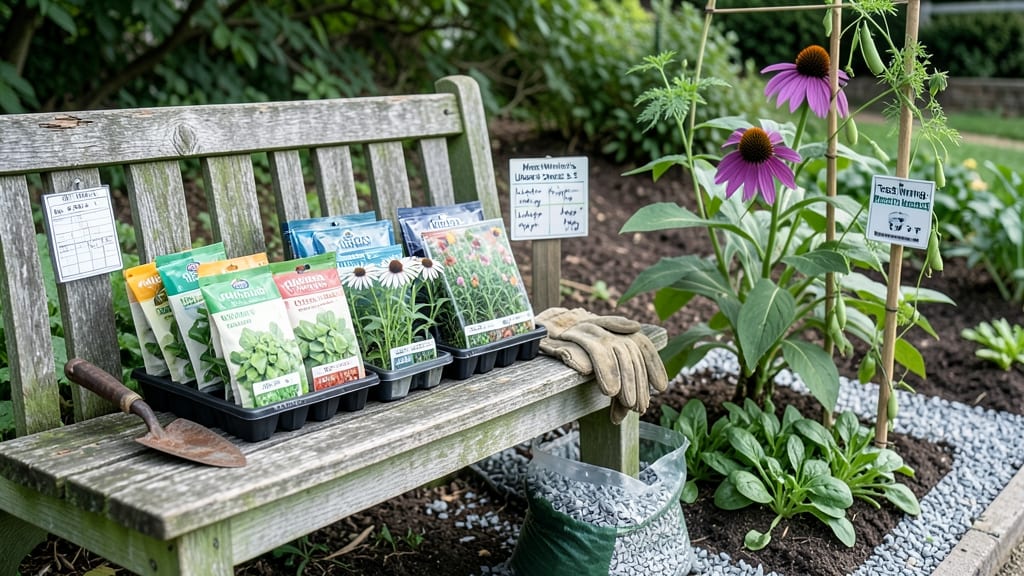
To plant a garden in Minnesota, aim for mid-May to early June after the last frost—though your exact window depends on whether you’re in Zone 3 or 5.
Minnesota’s unpredictable climate can make timing your garden planting tricky—but getting it right means the difference between a thriving harvest and a frost-killed disappointment. Learn the exact frost-free windows for each planting zone and plant type so you can start seeds and transplant with confidence.
From cool-season crops like peas and lettuce to heat-lovers such as tomatoes and peppers, the right timing ensures your 🌱 thrives in Minnesota’s short but productive growing season.
Whether you’re in the Twin Cities or the Iron Range, this guide breaks down the best months to plant, adjust for microclimates, and extend your harvest with smart strategies.
Discover how to read frost dates, avoid common mistakes, and maximize your garden’s potential—so you can enjoy fresh produce from spring to fall, no matter where you are in the state.
Minnesota planting zones: key frost dates by region
Minnesota spans USDA Hardiness Zones 3-5, creating dramatic differences in frost dates from north to south. Zone 3 (northern MN) averages 150 frost-free days, while Zone 5 (southern MN) stretches to 180 days.
These variations mean your last spring frost could arrive weeks earlier in Rochester than in Duluth.
Understanding these zones helps you choose cold-hardy crops for early planting and heat-loving varieties for late-season success. For example, kale and spinach thrive in Zone 3's shorter season, while tomatoes and peppers need Zone 4 or 5's longer growing window.
Urban areas like Minneapolis often experience warmer microclimates due to concrete heat retention, while rural farmland may see earlier frosts. Always check your local frost date averages—the University of Minnesota Extension provides updated records for each county.
Here’s how to use this data: Start cool-season crops (like peas and lettuce) 4-6 weeks before your last frost, while warm-season crops (tomatoes, beans) need soil temperatures above 50°F and should wait until after your final frost date.
| Zone | Avg. Last Spring Frost | Avg. First Fall Frost | Frost-Free Days | Early Spring Planting | Fall Planting Window |
|---|---|---|---|---|---|
| Zone 3 (North) | May 10–May 20 | September 10–September 20 | 140–150 days | Peas, spinach, kale (after May 15) | Broccoli, cabbage (until Aug 15) |
| Zone 4 (Central) | May 1–May 10 | September 20–October 1 | 160–170 days | Lettuce, radishes (after May 1) | Carrots, beets (until Sep 1) |
| Zone 5 (South) | April 25–May 5 | October 5–October 15 | 170–180 days | Onions, potatoes (after Apr 15) | Peppers, eggplant (until Sep 15) |
For Zone 3 gardeners, focus on fast-maturing crops like bush beans (50 days) and radishes (25 days). In Zone 5, you can experiment with longer-season varieties like heirloom tomatoes (80+ days) or melons (70 days).
Microclimates play a huge role—south-facing slopes warm up faster than shaded areas, while urban heat islands can delay fall frosts by 1-2 weeks. Use frost cloths to protect tender plants if late frosts threaten, especially in Zone 4 transition areas.
Pro tip: Plant cold-hardy greens like arugula and Swiss chard as soon as soil is workable (early April in Zone 5). These bolt-resistant varieties tolerate light frosts and give you an early harvest before summer heat arrives.
Fall planting is equally critical—cool-season crops like broccoli and Brussels sprouts need 60–80 days to mature before frost. In Zone 3, aim for July 15 starts, while Zone 5 can extend to August 15 for a late harvest.
Always monitor weekly frost forecasts from the National Weather Service or local agricultural extensions. A 50°F night can kill tender seedlings, so wait until soil stays above 55°F for warm-season crops like peppers and cucumbers.
🌱
Best planting schedule for Minnesota vegetables and flowers
Timing your Minnesota garden is all about working with the state’s short but intense growing season. Whether you’re planting cool-season crops like lettuce or warm-season favorites like tomatoes, knowing the exact window makes all the difference.
I’ve broken down the ideal planting schedule by month, including when to start seeds indoors versus transplanting hardened-off seedlings.
Minnesota’s USDA Zones 3-5 mean frost dates vary dramatically—northern areas (Zone 3) have a shorter window than southern regions (Zone 5). For example, southern Minnesota can start tomatoes and peppers in late April, while northern gardens should wait until mid-May.
I’ll also share organic adjustments, like using compost to warm soil faster for early plantings.
- March-April: Start cool-season seeds indoors (lettuce, spinach, kale). Harden off peas and radishes for early April outdoor planting.
- Late April: Transplant broccoli, cabbage, and onions after last frost (Zone 5) or wait until mid-May for Zone 3. Direct-sow carrots and beets.
- May: Start tomatoes, peppers, and eggplants indoors. Transplant marigolds and nasturtiums for pest control. Plant potatoes when soil reaches 45°F.
- June: Direct-sow beans, cucumbers, and squash after soil warms to 60°F. Succession plant lettuce and spinach for fall harvests.
- July-August: Transplant late-season crops like kale and Brussels sprouts. Sow radishes and turnips for quick fall harvests.
For organic gardeners, focus on soil prep early—adding compost in late winter warms the soil faster, letting you plant cool-season crops like spinach 1-2 weeks earlier. I’ve also found that mulching with straw helps retain moisture for seedlings during Minnesota’s unpredictable spring rains.
Don’t overlook succession planting! In Minnesota’s short season, you can squeeze in 3-4 harvests of lettuce by sowing new seeds every 2 weeks from May to July. Similarly, bush beans planted in June and August will give you two harvests instead of one.
If you’re using container gardening, start warm-season crops like peppers 6-8 weeks earlier indoors. Containers warm up faster than in-ground soil, giving you a head start. Just be sure to harden off seedlings properly before transplanting outdoors.
Finally, keep an eye on fall planting windows. Garlic and onions can be planted in late September for next summer’s harvest, while spinach and arugula thrive when sown in August. With these adjustments, you’ll maximize your Minnesota garden’s potential!