
Planting
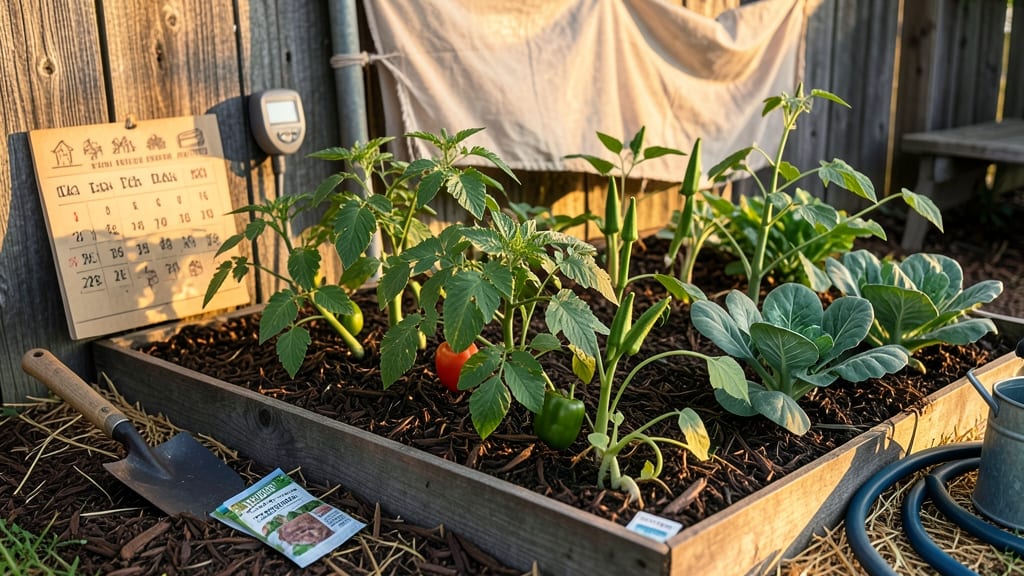
Planting a garden in Florida at the right time is all about beating the heat—not fighting it—so your 🌱 thrives when the weather cooperates.
Florida’s unique climate—with its scorching summers and mild winters—means planting at the wrong time can turn your garden dreams into a wilting disaster. But timing your garden right can mean the difference between a bountiful harvest and a sad, sunburned failure.
Most Florida gardeners focus on two key windows: early spring and late fall, when temperatures dip just enough to let cool-season crops like lettuce and broccoli take root without wilting under the midday sun.
Below, I’ll break down the exact months to plant by Florida’s heat zones, how to prep soil for the tropical climate, and which heat-loving plants (like okra and sweet potatoes) actually prefer the summer heat.
Florida heat zones explained: how to pick the perfect planting window
Florida’s 11 heat zones (A1-B11) map out the state’s unique microclimates, where coastal areas stay humid and inland zones can bake under intense sun. These zones help you determine the best planting windows for vegetables, flowers, and herbs—because timing matters more here than in most states.
Unlike traditional USDA zones, Florida’s heat zones focus on degree days and humidity, not just cold tolerance. For example, Zone A1 (south Florida) has nearly year-round growing potential, while Zone B11 (north Florida) faces occasional light frosts.
Understanding your zone ensures you plant when soil temps are ideal, not just when the calendar says spring.
To find your zone, check the University of Florida IFAS Extension map or use the Florida Climate Center tool. If you’re near the coast, expect higher humidity and softer winters—inland areas get hotter but drier. Even a 10-mile difference can shift your planting window by weeks.
Here’s how Florida’s heat zones break down for ideal planting windows, including adjustments for coastal vs. inland microclimates:
| Zone | Coastal Planting Window | Inland Planting Window | Key Crops | Avoid Planting |
|---|---|---|---|---|
| A1-A2 (South FL) | Year-round (shade cloth in summer) | Year-round (mulch heavily) | Okra, sweet potatoes, tomatoes | None (but avoid frost-sensitive crops in winter) |
| A3-A4 (Central FL) | Feb–May, Sep–Nov | Jan–Apr, Aug–Oct | Peppers, eggplant, basil | June–August (extreme heat) |
| B5-B7 (North-Central FL) | Mar–May, Sep–Nov | Feb–Apr, Aug–Oct | Lettuce, carrots, herbs | June–July (soil too hot) |
| B8-B11 (Panhandle) | Feb–Apr, Sep–Nov | Jan–Mar, Aug–Oct | Broccoli, cabbage, snap beans | May–July (frost risk in winter) |
*Coastal areas stay warmer longer; inland zones may need row covers for early/late plantings.
For Zone A1-A2 (south Florida), you can plant almost year-round, but use shade cloth in summer to protect seedlings from intense sun. In Zone B8-B11 (Panhandle), focus on cool-season crops like lettuce and spinach in winter, while summer heat forces a break for most vegetables.
Adjust for microclimates—even within your zone. A shady spot under a tree might stay cool enough for lettuce in summer when the rest of your yard is too hot. Similarly, elevated beds warm up faster in spring, letting you plant earlier than flat ground.
Soil temperature is your best guide, not the calendar. Use a soil thermometer—most vegetables need soil temps above 60°F to germinate, while warm-season crops like tomatoes thrive at 70°F+.
In Zone B11, wait until April 15 to plant tomatoes; in Zone A1, you can start them in January.
Pro tip: Mulch heavily in summer to keep roots cool. A 3-inch layer of straw or wood chips can drop soil temps by 10°F, making it safe to plant heat-sensitive crops like cucumbers or squash even in Zone A3 during peak summer.
Remember, Florida’s two main planting seasons are fall/winter (cool-season crops) and spring (w
Seasonal planting calendar for Florida gardens: what to plant when
Florida’s warm winters and long growing season create two prime planting windows: fall/winter (September–March) and spring (March–May). Missing these deadlines risks heat stress or pests during summer. I’ll break down what to plant each month, including frost-sensitive crops and cool-season staples that thrive in Florida’s mild winters.
In North Florida, where frosts occasionally occur, timing is critical—plant cool-season crops like broccoli and kale by mid-September to harvest before cold snaps. Meanwhile, South Florida gardeners can plant tomatoes and peppers year-round, but spring planting (after March 15) avoids summer’s brutal heat.
Let’s dive into the month-by-month schedule.
- September
- October–November
- December–February
- March–April
- May–June
Plant: Cool-season veggies (lettuce, spinach, carrots), onions, and frost-sensitive greens (mustard, collards).
Soil temp: 70–85°F. Avoid planting tomatoes or peppers—wait until spring!
Plant: Broccoli, cauliflower, cabbage, and peas. Direct-sow radishes and turnips for quick harvests.
Tip: Use row covers in North Florida to protect from light frosts (28°F).
Plant: Garlic (October), potatoes, and asparagus crowns. Herbs like cilantro and parsley thrive in cool weather.
Avoid: Heat-lovers like okra or sweet potatoes—they’ll bolt in winter’s chill.
Plant: Spring staples: tomatoes, peppers, eggplant, and squash. Start okra and sweet potatoes in late March for summer harvests.
Watch for: aphids and whiteflies—spray with neem oil preemptively.
Plant: Heat-tolerant greens (malabar spinach, Swiss chard) and fall crops like cabbage (transplant in August).
Deadline: Stop planting cool-season crops by June 1—they’ll bolt in the heat.
Spring planting is your last chance to beat the summer heat. For tomatoes and peppers, aim for March 15–April 15 in most of Florida—soil should be 70°F+. In South Florida, you can stretch this to May, but provide afternoon shade to prevent sunscald on young plants.
Don’t overlook succession planting! For lettuce or bush beans, sow every 2–3 weeks from September to April to ensure a continuous harvest. And remember: mulch heavily in summer to keep roots cool—straw or pine needles work best in Florida’s sandy soil.
Timing your garden right in Florida isn’t just about avoiding frost—it’s about outsmarting the heat. By following this calendar, you’ll enjoy fresh produce year-round without the stress of wilting seedlings or pest infestations. Happy planting! 🌱