
Planting
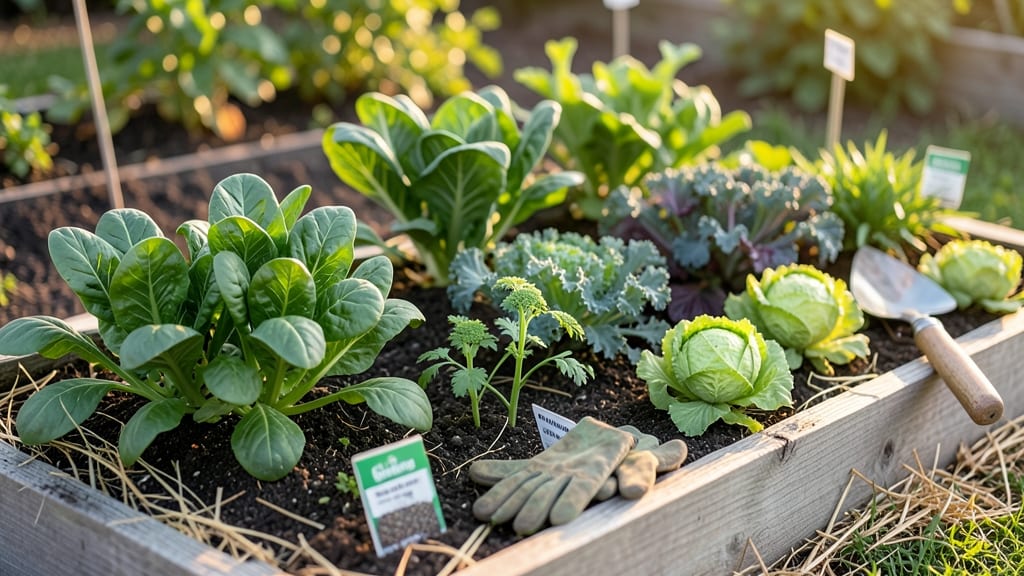
Planting a winter garden in Florida means timing it right—start too early, and your greens will bolt in the lingering summer heat; too late, and a surprise frost could wipe out your harvest.
Florida’s mild winters create a unique opportunity to grow thriving winter gardens—but timing is everything. Plant too early, and your crops will bolt in the heat; too late, and frost will ruin your harvest.
If you’ve ever watched your seedlings wilt under unexpected cold snaps or seen your kale turn bitter from lingering summer warmth, you know how critical the right window is. The key is knowing when those cooler temperatures settle in for good—usually mid-September to early October for most of the state.
In this guide, I’ll break down the exact planting schedule by region, the heat-tolerant crops that thrive in Florida’s winter conditions, and the common mistakes that derail even the most well-intentioned gardens.
Best planting timeline for Florida winter gardens by region
Florida’s winter gardens thrive when planted at the right time—too early, and summer heat will stress your crops; too late, and frost can damage tender seedlings. The key is understanding your region’s microclimates and average frost dates.
North Florida experiences cooler winters with earlier frosts, while South Florida stays warm year-round. Here’s how to align your planting with Florida’s three distinct zones for a bountiful harvest.
Start by identifying your USDA hardiness zone: North Florida (Zones 8a-8b), Central Florida (Zones 9a-9b), and South Florida (Zones 10a-11).
These zones dictate when to plant cool-season crops like collards, kale, and turnips, which tolerate Florida’s mild winters but need precise timing to avoid heat stress or frost damage.
For North Florida, aim to plant most winter crops between mid-September and mid-October. This timing ensures seedlings establish roots before first frost dates (typically mid-November to early December).
In Central Florida, you have a longer window—late August to early October—while South Florida gardeners can plant year-round but focus on September to November for optimal growth.
Below is a region-specific planting timeline for Florida’s winter garden staples. Use this as your guide to avoid common mistakes like planting too late for frost-sensitive crops or too early for heat-loving varieties.
| Region | Planting Window | Best Crops | Avoid Planting Before | Notes |
|---|---|---|---|---|
| North Florida (Zones 8a-8b) | Mid-Sept to Mid-Oct | Collards, Kale, Turnips, Broccoli, Spinach | Late Oct (risk of frost) | Use row covers for frost protection |
| Central Florida (Zones 9a-9b) | Late Aug to Early Oct | Mustard Greens, Swiss Chard, Radishes, Lettuce | Mid-Nov (heat stress) | Drip irrigation recommended |
| South Florida (Zones 10a-11) | Sept to Nov | Okra, Sweet Potatoes, Peas, Carrots | None (year-round possible) | Shade cloth for seedlings |
| All Regions | Late Oct to Nov | Onions, Garlic, Herbs (Cilantro, Parsley) | Dec (frost risk) | Direct sow for best results |
For North Florida, prioritize collards and kale—these heat-tolerant greens thrive in Florida’s winter conditions and can handle brief cold snaps. Plant them in well-draining soil with full sun exposure (6+ hours daily).
In Central Florida, focus on mustard greens and Swiss chard, which tolerate the region’s warmer winters better than lettuce or spinach.
In South Florida, where frost is rare, you can grow okra and sweet potatoes year-round, but aim for September planting to avoid summer heat stress. Use shade cloth for seedlings to protect them from intense afternoon sun.
For all regions, radishes and lettuce are quick-growing options—plant them in late September for a harvest before winter sets in.
Pro tip: Use mulch (straw or shredded leaves) to retain soil moisture and regulate temperature. This is especially critical in North Florida, where temperature swings can stress young plants.
For Central and South Florida, focus on consistent watering—drip irrigation works best to avoid fungal diseases like powdery mildew.
Monitor your local frost alerts and adjust planting dates accordingly. Even South Florida can experience rare cold snaps, so keep row covers on hand. By following this timeline, you’ll maximize your winter harvest with minimal risk of crop failure.
Once your winter garden is established, focus on soil health by adding compost before planting. Florida’s sandy soils benefit from organic matter to retain moisture and nutrients. With the right timing and care, your winter garden will provide fresh, homegrown produce even in Florida’s mildest months.
Top 10 heat-tolerant winter crops for Florida gardens
Florida’s winter gardens thrive when you choose heat-tolerant crops that handle mild cold but won’t bolt in residual summer warmth. These top 10 varieties balance cold hardiness with Florida’s unique microclimates, ensuring bountiful harvests from November through March.
Whether you’re in North Florida’s cooler zones or South Florida’s balmy winters, these plants deliver.
Key to success? Planting depth, spacing, and companion planting to maximize yields. For example, collard greens and turnips thrive with basil nearby, while kale pairs beautifully with radishes to deter pests. Let’s dive into the best performers, ranked by ease of growth and adaptability.
📌 Numbered Highlights: Florida’s Best Winter Crops
For North Florida, prioritize collards, kale, and broccoli—they tolerate 30-40°F nights better than others. In South Florida, focus on spinach, carrots, and cilantro, which handle 50°F lows without stress. Always mulch heavily (straw or leaves) to insulate roots from unpredictable frost.
Pro tip: Start seeds indoors 4-6 weeks before your average first frost date (typically mid-November for North Florida, December for Central, and January for South).
Transplant seedlings when soil temps drop below 80°F but stay above 50°F during the day. This timing ensures strong root establishment before winter chill