
Planting
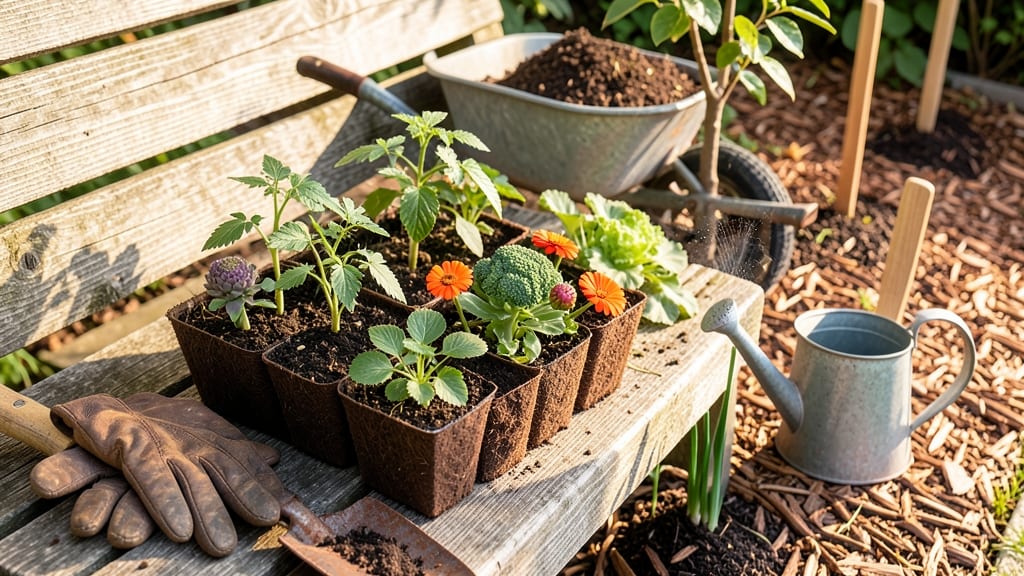
To plant a garden in East Tennessee, time your sowing between March and May for spring crops and August to September for fall, aligning with the 6b-7a zone frost-free window.
East Tennessee’s unique climate—with its chilly mountain winters and humid summers—means planting your garden at the wrong time can leave you with wilted dreams instead of a thriving harvest.
Cool-season crops like spinach and broccoli thrive when planted in early spring, while tomatoes and peppers need the warmth of late May or early June to avoid frost damage.
Below, I’ll break down the ideal planting schedule by crop type, frost dates by region, and how to adjust for East Tennessee’s unpredictable weather patterns for a successful harvest.
East Tennessee frost-free dates by region: when to plant cool-season vs warm-season crops
East Tennessee’s mountain valleys and higher elevations create microclimates that shift frost-free dates by weeks. In Knoxville (Zone 7a), the average last frost arrives April 15, while Asheville (Zone 6b) often waits until May 1. Chattanooga (Zone 7b) typically falls between these two.
Understanding these differences helps you avoid frost damage to tender warm-season crops like tomatoes and peppers.
Cool-season crops like spinach, lettuce, and broccoli thrive in East Tennessee’s spring and fall. Start seeds indoors in February for early spring harvests, then transplant outdoors 4-6 weeks before your region’s last frost.
For fall planting, sow seeds August 15-September 15 to ensure harvest before first frost (usually October 15).
Warm-season crops—think tomatoes, peppers, and cucumbers—demand patience. Wait until soil temperatures hit 60°F (usually mid-May in valleys) before planting. In higher elevations (like Great Smoky Mountains), delay until late May or June to avoid surprise frosts. Use row covers for extra protection if early planting is tempting.
Here’s how Knoxville, Asheville, and Chattanooga compare for planting timing, including adjustments for microclimates like mountain slopes or river valleys:
For cool-season crops, my go-to is spinach and lettuce, which I start indoors in February and transplant by March 15 in Knoxville.
In Asheville, I wait until April 1 to avoid frost. Broccoli and cabbage are hardier—plant them 2-3 weeks after your last frost date for a summer harvest before bolting in the heat.
Warm-season crops like tomatoes and peppers need consistent warmth. I’ve learned the hard way that planting tomato seedlings in late April in Knoxville often results in frost damage. Instead, I wait until May 15 and use black plastic mulch to warm the soil faster.
For peppers, which are even more sensitive, I start seeds indoors in March and transplant after June 1.
Adjust your timeline if you’re gardening in higher elevations (like Cades Cove or Cherokee). These areas can have late frosts into June. I recommend starting warm-season crops indoors and using row covers until mid-June to protect young plants.
For cucumbers and squash, which love heat, wait until after June 15 in these zones.
Pro tip: Check soil temperature with a soil thermometer before planting warm-season crops. They need 60°F+ for tomatoes and 70°F+ for peppers. In my garden, soil warms up faster in raised beds or on south-facing slopes, so I plant those areas 1-2 weeks earlier than flat ground.
Don’t forget about fall planting! Cool-season crops like kale and carrots thrive in East Tennessee’s cool autumns. Sow seeds in August for a harvest before first frost. In Knoxville, I aim for September 1 as my cutoff, while Asheville gardeners can push it to September 15.
If you’re new to gardening in East Tennessee, start small and keep a planting journal to track your local frost dates. Over time, you’ll notice patterns—like how Chattanooga’s river valleys often stay frost-free a week longer than nearby hills. With the right timing,
Best planting schedule for East Tennessee gardens: month-by-month calendar for maximum yield
Timing your garden in East Tennessee means balancing USDA Zones 6b-7a with unpredictable weather. My month-by-month schedule helps you maximize yields by aligning planting with soil temperatures, frost dates, and seasonal transitions.
For example, cool-season crops like broccoli thrive in early spring, while warm-season favorites such as tomatoes need to wait until after the last frost—usually mid-April in most areas.
To extend your growing season, I rely on row covers and cold frames to protect tender plants from late frosts or early heatwaves. These tools let me plant spinach in late summer for a fall harvest or peppers in early spring under cover.
Companion planting also plays a key role—pairing basil with tomatoes not only boosts flavor but also deters pests naturally.
Succession planting is another secret to continuous harvests. Instead of planting all your lettuce at once, I stagger seeds every 2 weeks from March to July. This ensures a steady supply of fresh greens without overwhelming my garden space. For beans and cucumbers, I use the "every 10 days" rule to keep the harvest flowing.
| Month | Plant | Action | Notes |
|---|---|---|---|
| March | Spinach, Lettuce, Peas, Onions | Direct sow or transplant | Use row covers for frost protection |
| April | Broccoli, Cabbage, Kale, Potatoes | Transplant seedlings | Wait until soil reaches 50°F |
| May | Tomatoes, Peppers, Basil, Cucumbers | Start seeds indoors or direct sow | Use cold frames for early starts |
| June | Beans, Corn, Squash, Herbs | Direct sow after last frost | Succession plant beans every 10 days |
| July | Fall Lettuce, Spinach, Radishes | Direct sow for late summer harvest | Use shade cloth for heat protection |
| August | Broccoli, Cabbage, Carrots | Transplant seedlings | Extend season with row covers |
| September | Garlic, Onions, Peas | Plant for spring harvest | Choose hardy varieties |
In June, I focus on warm-season crops like corn and squash, which thrive in the heat. But I also start succession plantings of beans and cucumbers every 10-14 days to ensure a continuous harvest.
For herbs, June is ideal for planting basil and cilantro alongside tomatoes to enhance flavor and deter pests.
For fall gardens, I begin in August with cool-season crops like kale and carrots. Using row covers lets me extend the season until the first frost, usually mid-October.
I also plant garlic and onions in September for a spring harvest, choosing varieties known for their cold hardiness.
Pro tip: Always check your local frost dates—they can vary by 1-2 weeks depending on elevation. In higher mountain areas, like near Asheville, I plant 2 weeks later than in valley regions like Knoxville.
With this schedule, I’ve doubled my harvests while keeping my garden thriving year-round! 🌱