
Planting
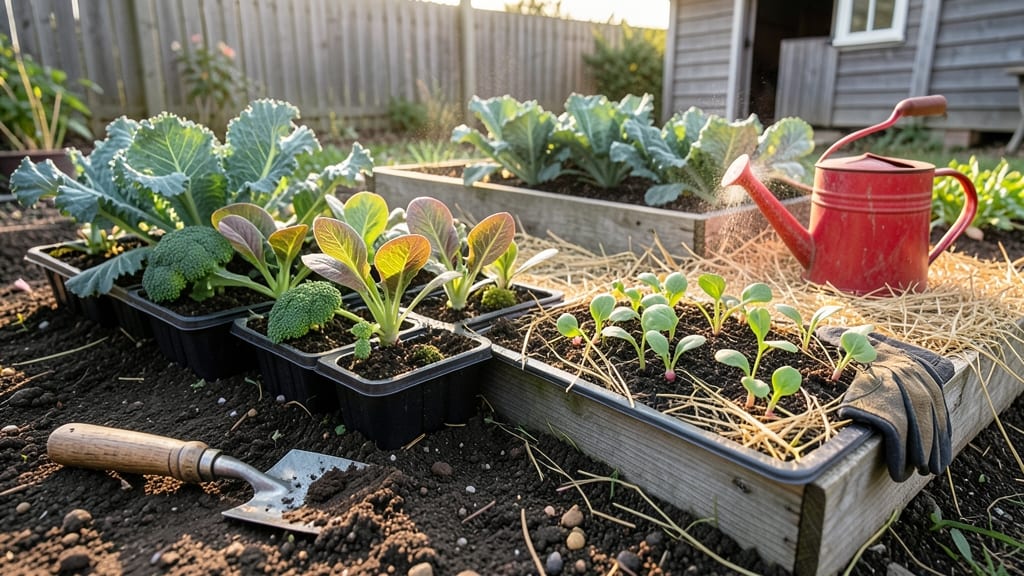
Planting a fall garden in Alabama means beating the heat and frost—starting seeds between mid-August and early October is your ticket to a bountiful harvest before winter sets in.
Here’s the kicker: Alabama’s 7a-8b zones play by different rules. In North Alabama, you’ve got just weeks before the first frost hits around November 1, while Southern zones like 8b can stretch harvests until mid-November. Miss the window, and you’re left with sad, stunted greens or bolted herbs.
But don’t let that scare you off—this is where heat-tolerant crops like okra, sweet potatoes, and collards shine. These veggies thrive in Alabama’s lingering summer warmth, and with the right timing, you’ll be feasting on homegrown goodness well into December.
Below, I’ll break down the exact planting deadlines by zone, the best crops for your fall patch, and how to stretch your harvest season with simple tricks—no guesswork, just results.
Alabama fall planting deadlines by USDA hardiness zones (7a-8b)
Alabama’s fall planting window is short but sweet—just 6-8 weeks before the first frost. In Zone 7a (north Alabama), your last chance to plant is mid-October, while Zone 8b (south Alabama) can push it to early November.
Miss these deadlines, and frost will turn your collards and turnips into sad, mushy messes. But nail the timing, and you’ll enjoy fresh sweet potatoes and okra well into winter.
First frost dates vary wildly across Alabama—November 1 in Zone 7a (like Huntsville) vs. November 15 in Zone 8b (like Mobile). To avoid crop failure, calculate your last planting deadline by working 4-6 weeks backward from your expected frost date.
For example, if frost hits November 10, plant okra by September 25 to ensure a harvest before the cold sets in.
Heat-tolerant crops like southern peas and cowpeas can handle Alabama’s lingering summer heat, but they still need a cool-down period to mature. Plant these late August to early September in Zone 7a and early October in Zone 8b.
For cool-season crops like kale and spinach, wait until September 15 in Zone 7a and October 1 in Zone 8b to avoid bolting.
Here’s the golden rule for Alabama fall planting: Soil temps matter more than air temps. Use a soil thermometer—ideal temps for fall crops are 60-75°F.
If your soil is still above 80°F in Zone 7a by September 1, delay planting heat-sensitive crops like broccoli until conditions cool.
Microclimates play a huge role in Alabama’s fall planting success. A south-facing slope in Zone 7a might stay frost-free 10 days longer than a low-lying valley. Use this to your advantage—plant frost-sensitive crops like lettuce on warmer micro-sites first, then move to cooler areas as temps drop.
If you’re growing long-season crops like sweet potatoes, start them as early as August 1 in Zone 8b—they need 90-120 days to mature.
For short-season crops like radishes or bok choy, you can plant right up until October 15 in Zone 7a and still get a harvest before frost. Use succession planting to stretch your fall garden: Sow lettuce every 2 weeks from September 15 to October 15 for a continuous supply.
Don’t forget about soil prep—Alabama’s clay-heavy soils can become compacted after summer rains. Work in 2-3 inches of compost or aged manure 2-3 weeks before planting to improve drainage and fertility.
Best heat-tolerant fall crops for Alabama’s climate (and how to extend their season)
Alabama’s late-summer heat can linger into September, making traditional fall crops like lettuce struggle—but don’t give up! The key is choosing heat-tolerant varieties that thrive in 85°F+ temperatures while still producing sweet harvests before frost.
These 8 powerhouse crops are your secret weapon for a productive Alabama fall garden, even when the thermometer stays stubbornly high.
For these crops to succeed, focus on succession planting every 2 weeks and soil prep that improves drainage in Alabama’s heavy clay or sandy soils. Mix in 2-3 inches of compost or aged manure before planting, and consider raised beds if your native soil holds too much moisture.
The goal? Beat the first frost (typically November 1-15 in Alabama) while avoiding the bolting trap that turns leafy greens into bitter stalks.
- 1 Okra: Plant mid-August to early September—this Southern staple loves heat and keeps producing pods until first frost. Choose Clemson Spineless for reliability.
- 2 Sweet Potatoes: Start slips late July to August—they thrive in Alabama’s heat and store well. Use Beauregard for sweetness and disease resistance.
- 3 Southern Peas (Cowpeas): Sow August to mid-September—these drought-tolerant legumes fix nitrogen and produce until frost. Try Purple Hull or Black-Eyed Peas.
- 4 Collard Greens: Plant late August to September—these heat-loving greens sweeten after frost. Choose Georgia Southern for cold tolerance.
- 5 Swiss Chard: Sow September to early October—this colorful crop handles heat better than spinach. Try Bright Lights for vibrant stems.
- 6 Black-Eyed Susan Vine: Plant late August—this fast-growing vine produces edible flowers and pods. Perfect for trellises in small spaces.
- 7 Malabar Spinach: Sow September to October—this vine thrives in heat and humidity. Harvest leaves as needed for tender, cucumber-like greens.
- 8 Turnips: Plant late August to September—choose heat-tolerant varieties like Purple Top White Globe for greens and roots.
To extend the season for these crops, use row covers (floating fabric) when nighttime temps drop below 50°F. This simple trick can add 2-4 weeks of harvest time without fancy equipment.
For soil prep, Alabama’s clay-heavy soils benefit from gypsum (1 lb per 10 sqft) to improve drainage, while sandy soils need compost to retain moisture.
Pro tip: Succession plant heat-tolerant crops like okra and Southern peas every 2 weeks until mid-September. This ensures a steady harvest while the weather stays warm. Pair them with fast-maturing greens like Mal