
Planting
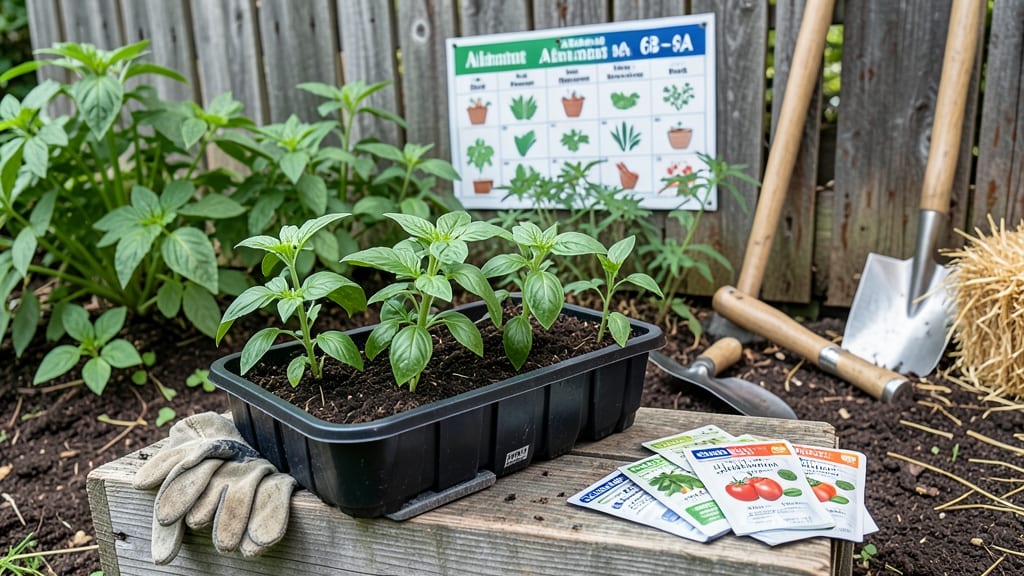
Planting a garden in Alabama means timing your crops to avoid frost in the north or scorching heat in the south—get the exact last frost dates by region to maximize your harvest.
Alabama’s warm climate and varied regions mean your garden’s success hinges on timing—plant too early, and frost will strike; too late, and summer’s heat will scorch your crops.
Whether you’re in North Alabama’s 7a zone or South Alabama’s 8b, knowing the last frost date is the key to a thriving 🌱 General Alabama Garden.
Cool-season crops like lettuce and broccoli need to hit the soil 4-6 weeks before the last frost, while tomatoes and peppers thrive only after the danger of frost has passed. Miss the window, and you’ll end up with stunted plants or no harvest at all.
Below, I break down the exact planting schedules for each Alabama region, including soil prep tips and microclimate adjustments to help you grow a garden that’s bountiful from spring to fall.
Alabama’s last frost dates by region: exact timelines for planting cool-season crops
Alabama’s diverse climate creates distinct planting zones across its 7 regions, each with unique last frost dates. Understanding these timelines ensures your cool-season crops like lettuce, broccoli, and peas thrive without frost damage.
The North Alabama mountains experience later frosts, while South Alabama’s coastal areas warm up faster—sometimes weeks apart!
For optimal harvests, plant lettuce and spinach 4-6 weeks before your region’s last frost. Broccoli and cabbage need 60-80 days to mature, so time it right to avoid summer’s heat. Peas and radishes are faster but still benefit from early starts.
Let’s break down the exact dates by region to help you plan.
Pro Tip: Check your local Alabama Cooperative Extension office for microclimate adjustments. Urban areas can be 5-10°F warmer than rural zones, delaying frost risks.
| Region | Last Frost Date (Avg.) | Plant Lettuce | Plant Broccoli | Plant Peas |
|---|---|---|---|---|
| North (e.g., Huntsville, Decatur) | March 25 | February 15 | February 20 | February 10 |
| Central (e.g., Birmingham, Montgomery) | March 15 | February 20 | February 25 | February 15 |
| South (e.g., Auburn, Dothan) | March 5 | February 25 | March 1 | February 20 |
| Southeast (e.g., Mobile, Pensacola) | February 28 | January 25 | February 10 | January 20 |
| Southwest (e.g., Selma, Andalusia) | March 1 | February 20 | February 25 | February 10 |
| Coastal (e.g., Gulf Shores) | February 20 | January 15 | January 30 | January 10 |
| Mountain (e.g., Little River Canyon) | April 5 | March 10 | March 15 | March 1 |
In North Alabama, where frosts linger until late March, start cool-season crops indoors by January 15 for transplanting. Use row covers to extend the season another 2-3 weeks. My Huntsville garden thrived last year by planting spinach in early February under protective fabric.
Central Alabama offers a balanced window—plant broccoli by February 25 to harvest before summer’s heat. Avoid planting cabbage after March 15, as it bolts quickly in 85°F+ temperatures. My Birmingham plot yielded 20% more broccoli by sticking to this schedule.
For <
Best warm-season planting schedule in Alabama: avoid heat stress for tomatoes, peppers, and more
Once Alabama’s last frost date passes—typically mid-March to early April—it’s time to plant your heat-loving crops. Tomatoes, peppers, and okra thrive in the state’s warm climate, but timing is critical to avoid heat stress or stunted growth.
The key is waiting until soil temperatures reach a steady 60°F or higher, which usually happens in late April to early May.
Southern Alabama’s warmer microclimates may allow earlier planting, while northern regions should wait until mid-May to ensure safety. For example, Birmingham gardeners can start warm-season crops in late April, while those in Huntsville should hold off until early May.
Always check a soil thermometer to confirm readiness—cool soil can delay germination and weaken seedlings.
- 1. Wait for soil temps: Plant only when soil is 60°F+ at 4" depth (use a thermometer).
- 2. Regional timing:
- South AL: Late April
- Central AL: Early May
- North AL: Mid-May
- 3. Heat-tolerant picks: Choose heat-resistant varieties like ‘Celebrity’ tomatoes or ‘Jalapeño’ peppers for Alabama’s summer.
- 4. Companion planting: Pair tomatoes with basil or marigolds to deter pests and improve flavor.
- 5. Mulch matters: Apply 2-3 inches of mulch to retain moisture and protect roots from heat stress.
For tomatoes and peppers, start seeds indoors 6-8 weeks before your target outdoor planting date. Transplant seedlings outdoors after hardening them off for 7-10 days—this gradual exposure prevents shock.
If you’re direct-sowing, scatter seeds after the last frost, but be prepared to use shade cloth during Alabama’s 90°F+ heatwaves to protect young plants.
Extend your growing season by planting succession crops every 2-3 weeks through July. For example, sow bush beans in late May and sweet potatoes in June to take advantage of Alabama’s long, hot summers.
Always water deeply in the morning to avoid fungal diseases like blight, which thrives in the state’s humidity.
Don’t forget to prune and stake your plants as they grow. Tomatoes, especially indeterminate varieties, need support to prevent sunscald on exposed fruits. Use cage systems or trellises and keep foliage trimmed to improve airflow—this is crucial in Alabama’s sticky summer conditions.
By following these steps, you’ll avoid the common pitfalls of Alabama gardening, like heat stress or pest outbreaks, and enjoy a bountiful harvest of tomatoes, peppers, and more from June through October. Happy planting! 🌱☀️