
Planting
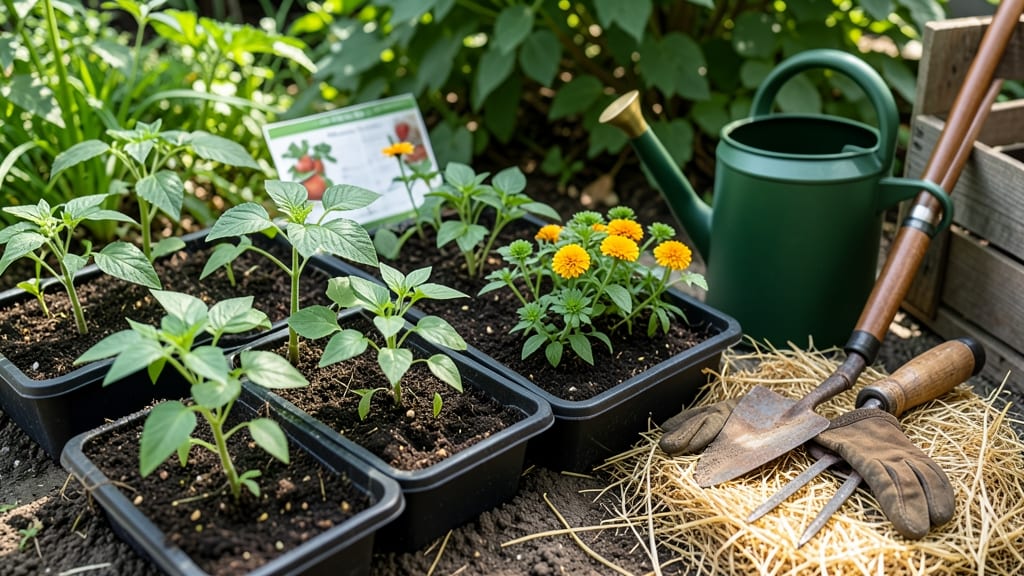
To plant a garden in Virginia, time your sowing between late March and early April for spring crops—or late August to early September for fall harvests—when frost risks fade and soil warms.
Virginia’s diverse climate—from the coastal plains to the Appalachian Mountains—means your planting schedule depends on more than just the calendar. Get it wrong, and your tomatoes might bolt before fruiting, or your broccoli could freeze before harvest. Here’s your zone-specific, crop-by-crop guide to timing plantings like a Virginia gardening pro.
Cool-season 🌱 vegetables like spinach and peas thrive when planted 4–6 weeks before your last frost (typically mid-March in Zone 6a or early April in Zone 8a).
Warm-season crops such as tomatoes and peppers, however, need the soil to reach at least 60°F—usually after May 10—to avoid stunted growth.
Below, I break down frost dates by region, succession planting tricks, and how to adjust for Virginia’s unpredictable weather—so you can maximize your harvest from June through November.
Virginia planting zones & last frost dates: your 2024 cheat sheet
Virginia’s 7 USDA hardiness zones (5a–7b) create dramatic differences in planting timelines. Coastal areas like Tidewater (Zone 8a) enjoy 100+ frost-free days, while mountain valleys like Southeast Virginia’s Appalachians (Zone 6a) face 150+ days with earlier frosts.
Knowing your exact zone—and its microclimates—can mean the difference between a bumper crop and a failed harvest.
Microclimates play a huge role in Virginia. Urban areas like Richmond or Arlington can be 2–3°F warmer than rural zones, delaying first frosts by 1–2 weeks. Mountain valleys like Roanoke or Blacksburg often experience earlier springs and falls, while coastal areas stay milder longer.
Even your yard’s elevation matters—just 100 feet higher can push back frost dates by 5–7 days.
Here’s your 2024 Virginia frost-date cheat sheet, broken down by region and zone, plus how to adjust for microclimates. Bookmark this—your planting schedule depends on it!
| Region | USDA Zone | Avg. Last Spring Frost | Avg. First Fall Frost | Frost-Free Days | Microclimate Adjustments |
|---|---|---|---|---|---|
| Tidewater (Norfolk, Virginia Beach) | Zone 8a | March 1–15 | November 15–30 | 210–240 | Coastal warmth delays frost by 1–2 weeks; urban areas may be 3°F warmer. |
| Piedmont (Richmond, Charlottesville) | Zone 7a–7b | March 15–April 1 | October 15–November 1 | 180–210 | Urban heat islands can push last frost to April 10; valleys may frost 1 week earlier. |
| Shenandoah Valley (Staunton, Harrisonburg) | Zone 6b–7a | April 1–15 | October 1–15 | 150–180 | Mountain valleys frost 2 weeks earlier than nearby ridges; south-facing slopes warm up 10°F faster. |
| Northwest (Roanoke, Blacksburg) | Zone 6a–6b | April 10–25 | September 25–October 10 | 130–160 | High-elevation areas (e.g., Mount Rogers) can frost 3 weeks earlier than valley floors. |
| Southwest (Lexington, Bristol) | Zone 7a–7b | March 20–April 5 | October 10–20 | 180–210 | River valleys (e.g., New River) stay warmer; plateaus may frost 1 week later. |
Use these dates as a starting point, but always check your local Almanac or weather station for real-time updates.
For example, if you’re in Zone 7a Piedmont and your yard sits in a sunny, south-facing microclimate, you might safely plant warm-season crops like tomatoes by April 20—2 weeks earlier than the average last frost date.
Pro tip: Hardened cool-season crops (like kale, spinach, or peas) can handle light frosts down to 20°F. Plant these 4–6 weeks before your average last frost date to maximize your harvest window.
For warm-season crops (tomatoes, peppers, basil), wait until 2–3 weeks after your last frost date—and use row covers if nighttime temps dip below 50°F.
In Zone 8a Tidewater, you can even squeeze in a second planting of warm-season crops in late July for a fall harvest, thanks to the longer growing season.
But in Zone 6a mountains, stick to early spring plantings (by April 15) to avoid early fall frosts cutting your season short.
When to plant specific vegetables in Virginia: cool vs. warm season crops
Timing is everything in Virginia’s garden—especially when balancing cool-season crops like broccoli and warm-season favorites such as peppers. Miss the window, and you’ll either face frost damage or plants that bolt before fruiting.
For Zone 6a–8a, I’ve broken down the best months to plant 20+ vegetables, including succession planting tips to maximize your harvest.
Start with cool-season crops in early spring (February–March) or late summer (August–September). These thrive in temperatures below 75°F and include leafy greens, root vegetables, and brassicas.
Meanwhile, warm-season crops like tomatoes and peppers need soil temperatures above 60°F—so wait until after your last frost date (typically mid-April in Zone 6a to mid-May in Zone 8a).
Pro Tip: Use row covers to extend cool-season planting by 2–3 weeks in spring or protect tender warm-season crops from late frosts. For example, plant spinach in February under covers, or shield tomato seedlings in May if frost is forecasted.
⚠️ Critical Deadlines: Tomatoes and peppers must go in after May 10 in Zone 7a to avoid frost. In Zone 8a, you can push this to mid-May, but always check your local frost dates—they can vary by 1–2 weeks even within the same zone.
| Crop Type | Cool Season (Spring/Fall) | Warm Season (Summer) | Succession Planting Tip |
|---|---|---|---|
| Leafy Greens | Feb–Mar, Aug–Sep | N/A | Sow every 2 weeks for continuous harvest. |
| Broccoli/Cauliflower | Feb–Mar, Aug | N/A | Start indoors 6–8 weeks before last frost. |
| Tomatoes/Peppers | N/A | May–Jun (after frost) | Transplant seedlings (not seeds) for faster growth. |
| Beans/Squash | N/A | May–Jul | Plant every 2 weeks until July for extended harvests. |
| Spinach | Feb–Mar, Aug–Sep | N/A | Thin seedlings to 6 inches apart for larger leaves. |
| Basil | N/A | May–Jun | Pinch back tips to encourage bushier growth. |
For succession planting, focus on fast-growing crops like lettuce, radishes, and bush beans. In Zone 7a, I sow lettuce every 2 weeks from March to September, ensuring a steady supply.
Similarly, zucchini and cucumbers thrive when planted in early May and again in July—this stretches your harvest from June to October.
Don’t forget fall planting! Cool-season crops like kale and carrots can be sown as late as early September in Zone 6a and mid-September in Zone 8a.
Use black plastic mulch to warm the soil for warm-season crops in spring or row covers to protect fall greens from early frosts.
Your Virginia garden’s success hinges on knowing your zone, tracking frost dates, and planning ahead. Start with cool-season crops in early spring, follow up with warm-season plants after frost, and succession plant for nonstop harvests.
With this schedule, you’ll avoid common pitfalls like bolting lettuce or frost-killed tomatoes—and enjoy a bountiful garden all season long. 🌱