
Planting
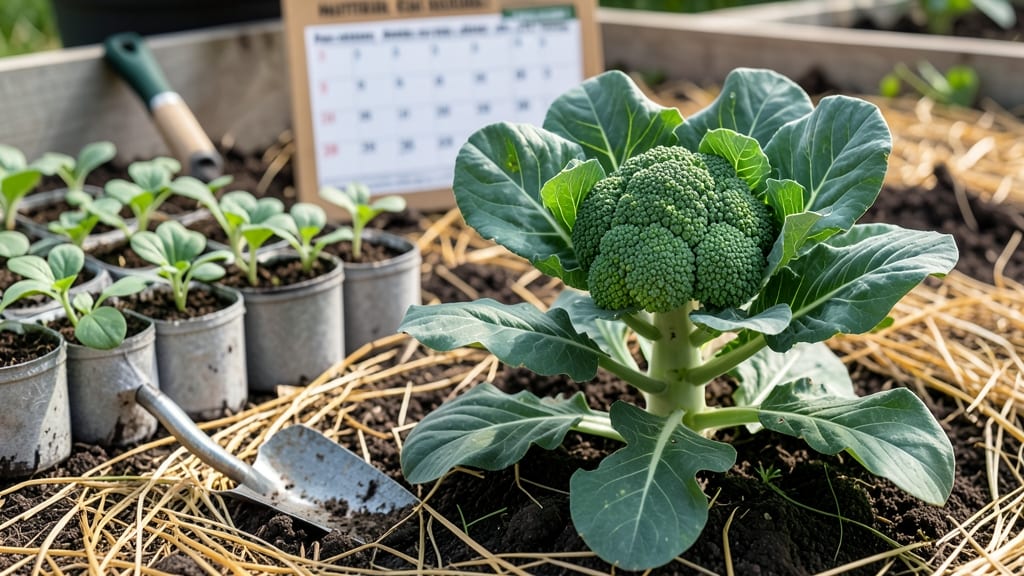
Planting a vegetable garden 🥬 in Northern California at the right time means the difference between a thriving harvest and a total flop—especially when coastal fog delays spring or early valley heat sends summer crops bolting.
Here’s the catch: Your neighbors’ planting schedule won’t match yours. A San Francisco gardener’s last frost in mid-February won’t align with Sacramento’s March timing, and high-altitude valleys like Napa face entirely different rules.
Get those dates wrong, and your broccoli could freeze or your tomatoes could rot before they set fruit.
This guide cuts through the guesswork with microclimate-specific planting windows—from Zone 8a’s high-altitude valleys to Zone 10a’s coastal fog belts—plus the exact crops to prioritize in each zone for foolproof success.
You’ll learn how to read frost calendars, adjust for unpredictable weather, and even use succession planting to stretch your harvest from spring to fall—without wasting a single seed.
Northern California planting zones: coastal vs. high-altitude start dates by month
Northern California’s USDA Zones 8-10 create a gardening puzzle—coastal areas like Santa Cruz and San Francisco stay cooler longer due to fog, while inland valleys like Sacramento and high-altitude foothills warm up faster.
These differences mean your tomato seeds might thrive in Napa by March 15 but risk frost damage in Lake Tahoe’s foothills until April 30. Understanding these microclimate variations is key to timing your planting windows perfectly.
Cool-season crops like lettuce, broccoli, and carrots love the mild coastal winters, while warm-season favorites such as peppers, eggplants, and squash need the extended heat of inland summers. Even within a 100-mile radius, your last frost date could shift by 4-6 weeks.
Let’s break down the ideal planting windows for each zone, so you can avoid the heartbreak of wilted seedlings or bolted greens.
📅 Key Dates to Remember:
- Coastal (SF Bay Area, Santa Cruz): Last frost February 15; first frost December 1
- Valleys (Sacramento, Napa): Last frost March 1; first frost November 15
- High-Altitude (Sierra Foothills): Last frost April 15; first frost October 30
| Zone Type | Cool-Season Crops (Plant) | Warm-Season Crops (Plant) | Frost-Free Window | Microclimate Notes |
|---|---|---|---|---|
| Coastal (SF, Santa Cruz) | Feb 15 - Mar 31 | Apr 15 - May 15 | Feb 15 - Dec 1 | Fog delays warmth; start spinach early but watch for bolting. |
| Valley (Sacramento, Napa) | Mar 1 - Apr 15 | Mar 20 - Apr 30 | Mar 1 - Nov 15 | Warmer soil; tomatoes and peppers thrive earlier. |
| High-Altitude (Sierra Foothills) | Apr 1 - May 15 | May 15 - Jun 15 | Apr 15 - Oct 30 | Soil stays cold; use black plastic mulch to warm beds. |
| Fall Planting (All Zones) | Aug 1 - Sep 15 | N/A (Cool crops only) | Varies by zone | Prioritize kale, radishes, and turnips for fall harvests. |
For coastal gardeners, the foggy mornings of Santa Cruz or Half Moon Bay can delay soil warming by 2-3 weeks compared to San Francisco’s slightly warmer microclimate. Start broccoli and cauliflower indoors by February 1 to give them a head start.
In contrast, valley regions like Sacramento and Napa can plant tomatoes and peppers outdoors as early as March 20, thanks to faster soil thawing and longer daylight hours.
High-altitude areas, such as the Sierra foothills or Lake Tahoe basin, face a shorter growing season. Here, cool-season crops like peas and spinach should go in by April 1, while warm-season crops like cucumbers and zucchini won’t tolerate transplanting until May 15.
Use row covers or cold frames to extend your season by 2-4 weeks in these zones.
Succession planting is your secret weapon in Northern California. For example, lettuce can be sown every 2 weeks from February to September in coastal areas, while
How to adjust planting times for Northern California’s unpredictable weather patterns
Northern California’s microclimates can throw off even the most experienced gardeners. While coastal areas like Santa Cruz may still see chilly mornings in May, inland valleys like Sacramento can hit 90°F by April.
These shifts mean your tomato seedlings might bolt in one zone but struggle to germinate in another. The key? Flexibility and preparation.
Start by monitoring soil temperatures—not air temps—using a soil thermometer. Most warm-season crops like peppers and cucumbers need soil at 60°F+ to thrive, while cool-season crops like broccoli tolerate 40°F+. Coastal fog can delay warming by 2-4 weeks, so adjust your planting schedule accordingly.
For example, I’ve seen lettuce bolt in Napa Valley by late May, while it thrives until July in San Francisco’s cooler climes.
⚠️ callout-warning
Never rush transplanting! Even after your last frost date, wait 7 days if the frost risk is still 10%+. Coastal areas like Monterey can see surprise frosts into March, while inland Stockton may be safe by February 20th. Check Almanac.com for your local frost calendar—it’s a game-changer.
Pro Tip: Use row covers or a mini greenhouse to extend your planting window by 2-3 weeks in high-risk zones.
To beat the odds, I recommend seed-starting indoors for heat-loving crops like tomatoes and eggplants. Begin 6-8 weeks before your average last frost, using grow lights to simulate 14-16 hours of light. Harden off seedlings for 10-14 days before transplanting to avoid shock.
For coastal gardeners, this might mean starting seeds in January for an April transplant, while inland gardeners can wait until March.
Succession planting is another game-changer for extending harvests. Instead of planting all your lettuce at once, sow new seeds every 2 weeks from March to July. This ensures a steady supply while accounting for unpredictable weather.
I’ve used this method to harvest baby carrots from May to October in my Berkeley garden, even with June Gloom slowing early growth.
Don’t forget to adjust for heat domes, those sudden 20°F spikes that can fry young plants. If your weather forecast predicts a heat wave, provide shade cloth or move potted plants to cooler spots.
I once lost a batch of basil in June 2020 when a 105°F day hit—until I learned to mulch heavily and water deeply at dawn.
Finally, keep a gardening journal to track your local patterns. Note when frost hits, how long fog lingers, and which varieties thrive. Over time, you’ll refine your planting timeline to match your unique microclimate.
For example, I now plant zucchini in early May in my Sacramento-area garden—earlier than the USDA guidelines suggest, but perfect for my local heat.