
Planting
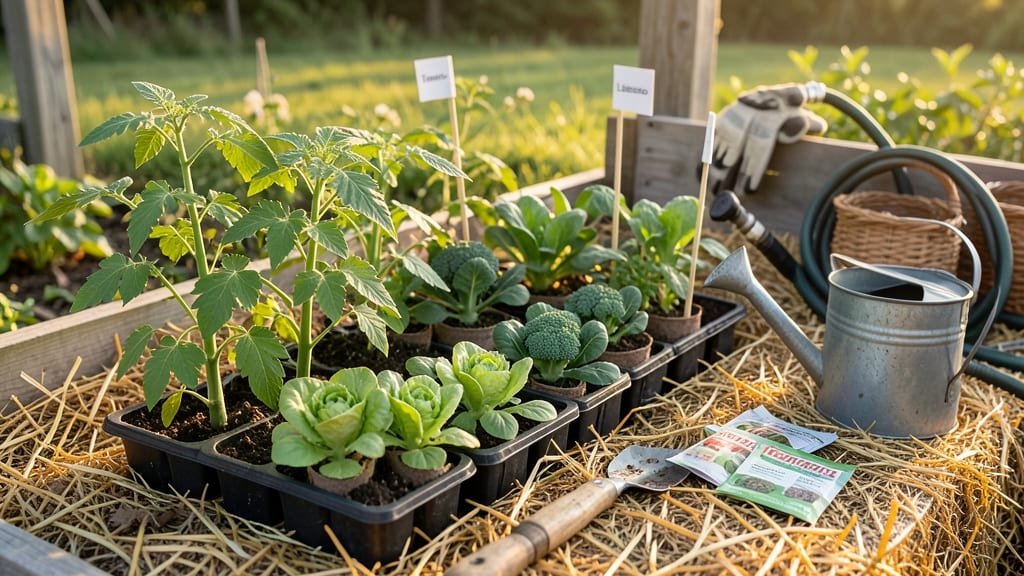
To plant a vegetable garden in Pennsylvania, time your seeds and seedlings between mid-April and early June for spring crops, then again in late July for fall harvests—missing these windows risks frost damage or stunted growth.
Pennsylvania’s diverse climate—from the frost-laden mountains to the humid valleys—means planting your vegetable garden at the wrong time can spell disaster for your harvest. Get the timing perfect with this zone-specific guide to avoid late frosts, heat stress, and wasted seeds.
Whether you’re in Zone 5b with its shorter season or Zone 7a where summers linger, knowing when to start seeds indoors (like tomatoes) versus direct-sowing (like peas) makes all the difference.
I’ll break down the exact deadlines for your region, plus how to stretch your growing season with row covers and cold frames.
By the end, you’ll have a month-by-month planting calendar tailored to PA, so you can harvest fresh veggies from May through October—no guesswork, just reliable results. Let’s dig in!
Pennsylvania’s planting zones: when to start seeds indoors vs. direct-sow outdoors
Pennsylvania spans USDA Zones 4a to 7a, creating dramatic differences in planting timelines. In Zone 4a (northwest mountains), the last frost typically arrives by May 15, while Zone 7a (southwest) sees frost-free conditions by April 1.
These variations mean your tomato seeds started too early in Zone 4a will bolt before harvest, while Zone 7a gardeners risk heat stress if they wait too long.
To succeed, master two critical timelines: indoor seed-starting windows (2–8 weeks before transplant) and direct-sowing deadlines for cool-weather vs. warm-season crops.
For example, peas and spinach thrive when sown directly 2–4 weeks before your last frost, while tomatoes and peppers need 60–70°F soil—typically 2 weeks after last frost.
Here’s your zone-specific planting roadmap, including exact frost dates, seed-starting windows, and direct-sowing deadlines for 12 essential vegetables. Use this to plan your spring and fall plantings like a pro.
For cool-season crops like spinach and peas, direct-sow as soon as soil is workable—typically 4–6 weeks before your last frost. These hardy plants tolerate light frost and even thrive in 50°F soil.
My Zone 5a garden yields the sweetest peas when sown in early April, while Zone 7a gardeners can start as early as February.
Warm-season crops like tomatoes and peppers demand patience. Start seeds indoors 6–8 weeks before transplanting, but wait until soil reaches 60°F+—usually 2 weeks after last frost.
In Zone 4a, this means waiting until early June to transplant seedlings. Pro tip: Use a soil thermometer to avoid false starts.
Fall planting follows the same logic but works backward. For cool-season crops like kale and carrots, sow seeds 90–100 days before your first frost (typically late July in Zone 4a). Warm-season crops like green beans can be direct-sown until early August in most zones, giving them time to
Best vegetables to plant by month in Pennsylvania (with frost warnings)
Pennsylvania’s variable frost dates and microclimates make timing everything for a successful vegetable garden. In the Poconos, late frosts can linger until May 15, while Philadelphia often sees its last frost by April 15.
Knowing when to plant each crop—and how to protect tender seedlings—can mean the difference between a bountiful harvest and lost investments.
Cool-season crops like spinach and kale thrive in early spring, while tomatoes and peppers need warm soil and air to germinate. Below, I’ve broken down the best planting times by month, with special warnings for frost-sensitive crops that need extra protection.
Use these guidelines to align your planting schedule with Pennsylvania’s 160-day growing season and avoid common pitfalls like blackened leaves from unexpected cold snaps.
🌱 Numbered Highlights: Month-by-Month Planting Guide for PA
- March: Start cool-season crops indoors (e.g., broccoli, cabbage) 6-8 weeks before last frost. Direct-sow peas and spinach outdoors if soil is workable (usually 40°F+).
- April: Transplant onion sets and potatoes as soon as soil thaws. Direct-sow lettuce, radishes, and carrots 4-6 weeks before last frost. ⚠️ Frost Warning: Cover seedlings with row fabric if night temps drop below 32°F.
- May: Plant warm-season crops like tomatoes, peppers, and cucumbers 2-3 weeks after last frost (typically May 15–30). Start basil indoors for transplanting after Memorial Day. ⚠️ High Alert: Use frost cloth for tender seedlings if late frosts are forecasted.
- June: Direct-sow beans, corn, and squash after soil reaches 60°F+. Succession plant lettuce and radishes for fall harvest. ⚠️ Heat Tip: Mulch to retain moisture for water-sensitive crops like cucumbers.
- July–August: Plant fall crops like kale, spinach, and turnips 8-10 weeks before first frost (typically late July). Avoid planting warm-season crops after July 15 in northern PA.
- September: Extend the season with cold-hardy crops like garlic and brussels sprouts. Harvest tomatoes and peppers before frost. ⚠️ Frost Protection: Use low tunnels to shield greens from early frosts.
- October: Plant garlic and onion sets for next year’s harvest. Cover overwintering crops like kale with straw mulch to protect from freezing temps.
For Zone 4a–5a gardeners (e.g., Erie, State College), delay planting tomatoes and peppers until after June 1 to avoid blossom-end rot from cool nights. In Zone 7a (e.g., Pittsburgh suburbs), you can push the envelope and plant basil as early as April 20 under row covers.
Protecting frost-sensitive crops is key in Pennsylvania. Use frost cloth or plastic domes for basil, cucumbers, and eggplants until nighttime temps stay above 50°F.
For extreme late frosts, consider a mini greenhouse or cold frame to safeguard your investment. Even a 5°F dip can kill young seedlings overnight!
Succession planting is your secret weapon for a continuous harvest. After harvesting early radishes or lettuce, replant with more seeds every 2–3 weeks until mid-July. This ensures you won’t have gaps in your harvest and maximizes your garden’s productivity throughout the 160-day growing season.