
Planting
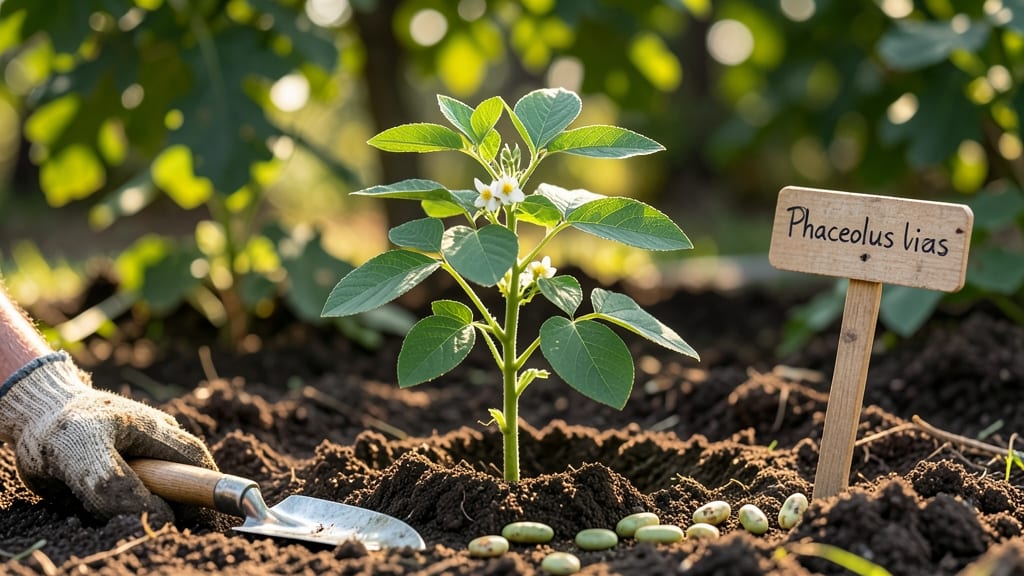
To plant green beans in your garden 🌱 and get a harvest in just 50-60 days, timing and technique matter more than you might think.
Green beans are one of the easiest and most rewarding crops to grow, offering fresh, homegrown produce in just 50-60 days—but only if you plant them correctly. Too shallow, and they won’t germinate; too crowded, and the pods won’t fill out.
Get it right, though, and you’ll have a steady supply of crisp, flavorful beans all summer.
First, wait until after your last frost—typically April-May in Zone 6a—and choose a spot with full sun. The soil should be loose and well-draining, with a light fertilizer to kickstart growth.
Then, it’s all about the spacing: 2-4 inches apart for bush varieties, or wider if you’re trellising pole beans.
Below, I’ll walk you through every step, from soil prep to trellis setup, plus the 3 biggest mistakes beginners make—and how to avoid them. Ready to grow your own?

Step-by-step guide to planting green beans in your garden
Green beans are one of the easiest and most rewarding crops to grow, offering fresh, homegrown produce in just 50-60 days—but only if you plant them correctly. Whether you're a beginner or experienced gardener, following the right steps ensures strong germination, healthy plants, and a bountiful harvest.
The key lies in soil prep, seed depth, spacing, and watering techniques tailored to your climate and garden space.
Before diving into planting, choose between bush beans (compact, 18-24 inches tall) and pole beans (vining, 6-10 feet tall). Bush varieties are perfect for small gardens or containers, while pole beans save space by growing vertically.
Both thrive in full sun (6-8 hours daily) and well-draining soil with a pH of 6.0-7.0. Let’s break down the process into simple, actionable steps for success.
How to Plant Green Beans: A Step-by-Step Guide
- 1 Choose the Right Variety: Pick bush beans for small spaces or pole beans for vertical gardens. Popular varieties include 'Blue Lake' (bush) and 'Kentucky Wonder' (pole).
- 2 Prepare the Soil: Test soil pH (6.0-7.0) and amend with compost or aged manure. Green beans prefer loose, fertile soil with good drainage to prevent root rot.
- 3 Plant Seeds at the Right Depth: Sow seeds 1 inch deep in rows 3-4 inches apart. For pole beans, plant seeds near a trellis or stakes (4-6 feet tall) to support vines.
- 4 Space Rows Properly: Keep rows 18-24 inches apart for bush beans or 2-3 feet apart for pole beans. Proper spacing improves airflow and reduces disease risk.
- 5 Water Gently After Planting: Keep soil moist but not soggy until seeds germinate (7-14 days). Use a fine mist or drip irrigation to avoid displacing seeds.
- 6 Thin Seedlings if Needed: Once seedlings are 2 inches tall, thin to 3-4 inches apart for bush beans or 4-6 inches apart for pole beans to prevent overcrowding.
- 7 Apply Mulch: Spread 2-3 inches of mulch (straw or grass clippings) to retain moisture, suppress weeds, and regulate soil temperature.
- 8 Fertilize Lightly: Use a balanced fertilizer (10-10-10) sparingly—too much nitrogen reduces pod production. Side-dress with compost 4-6 weeks after planting.
After planting, monitor your green beans closely for the first 2-3 weeks as they establish roots. Germination typically occurs within 7-14 days, depending on soil temperature. If you notice slow germination, ensure the soil stays consistently 60-70°F and avoid overwatering, which can cause seed rot.
Once seedlings emerge, thin them to the recommended spacing to give each plant room to thrive.
For pole beans, install a trellis or sturdy stakes at planting time to support their rapid growth. Use soft twine or garden ties to gently guide vines upward, preventing them from snapping under the weight of pods.
This vertical growth not only saves space but also improves air circulation, reducing the risk of fungal diseases like rust or white mold.
Watering is critical during the flowering and podding stages (weeks 4-6). Aim for 1 inch of water per week, delivered in the early morning to minimize evaporation and fungal risks. Avoid wetting the foliage, as this can promote diseases. If your garden experiences
Best soil conditions, spacing, and trellis setup for green beans
Green beans thrive when planted in well-draining, nutrient-rich soil with a slightly acidic to neutral pH (6.0-7.0). Test your soil before planting—amend with compost or aged manure if it's too sandy or clay-heavy. Poor drainage can lead to root rot, while compacted soil stunts growth.
I always mix in a 2-inch layer of compost to boost organic matter and improve structure.
For maximum yield, choose between bush beans (compact, 18-24 inches tall) and pole beans (vining, 5-8 feet tall). Bush varieties need 3-4 inches of spacing between plants, while pole beans require 4-6 inches but can be trellised to save space.
My favorite space-saving trick? Plant pole beans along a trellis or fence—they’ll climb vertically, leaving more room for other crops below.
Here’s how to set up a trellis for pole beans: Use sturdy stakes or a wire mesh frame at least 6 feet tall. Install it before planting and secure with garden twine or zip ties.
I swear by metal T-posts for heavy vines—they won’t sag under the weight of mature plants. For bush beans, skip the trellis entirely unless you’re dealing with windy conditions, where a low support can prevent lodging.
Don’t overlook companion planting—it can boost your green bean harvest. I pair mine with corn and cucumbers (pole beans love the shade from corn), or lettuce and radishes (bush beans tolerate light shade).
Avoid planting near onions or garlic, as they stunt bean growth. For trellised pole beans, I also interplant nasturtiums at the base—they deter pests like aphids naturally.
When installing your trellis, bury the base 6 inches deep for stability. Use 3-4 strings of twine (horizontal) spaced 12 inches apart to guide vines upward. I’ve seen beginners skip this step, and the vines get tangled or fall over.
Pro tip: Train the first vines to climb early—gently weave them through the strings within 2-3 weeks of germination. This encourages stronger stems and better pod production.
Finally, mulch around your green beans with straw or grass clippings to retain moisture and suppress weeds. I use black plastic mulch in hot climates to keep roots cool and reduce watering needs.
Just remember: Never let soil dry out completely—beans need 1-1.5 inches of water per week, especially during flowering and pod development. With the right setup, you’ll enjoy a bountiful harvest in just 60 days! 🌱