
Planting
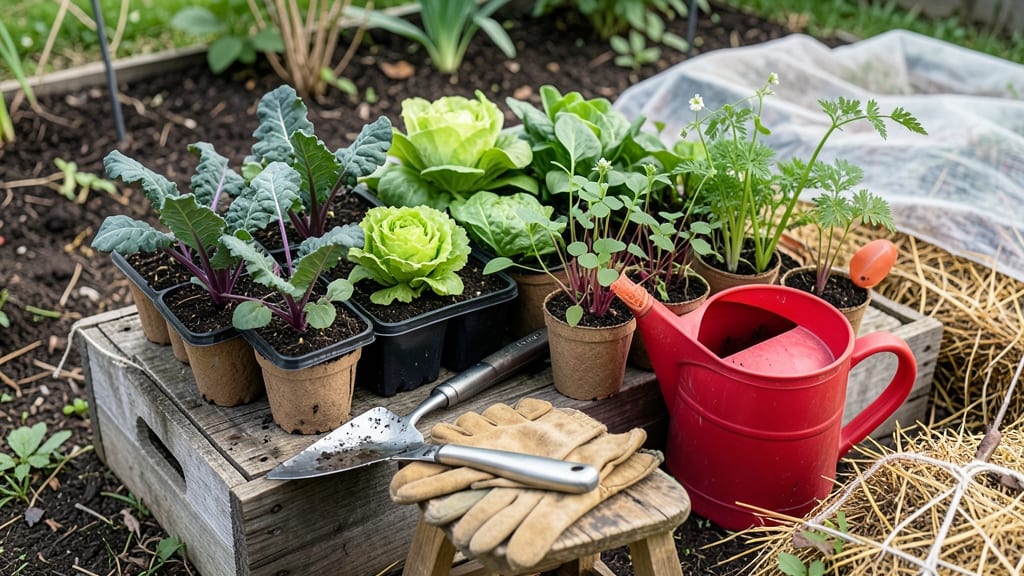
Planting a vegetable garden in New Brunswick at the right time means the difference between a thriving harvest and seeds that never sprout.
Timing your vegetable garden planting in New Brunswick can mean the difference between a bountiful harvest and wasted seeds—especially with the province’s unpredictable spring frosts and short growing seasons.
With USDA zones ranging from 4 to 6, knowing when to start seeds indoors or set transplants outside is critical. Late frosts can linger into May, while coastal areas like Saint John may warm up faster than inland regions near Fredericton.
Below, I break down the frost-free deadlines by county, the best crops for your microclimate, and how to stretch your growing season with cold-hardy varieties and organic methods.
New Brunswick’s frost-free dates by county: critical planting windows for vegetables
New Brunswick’s frost-free dates vary dramatically by county, making precise timing essential for vegetable gardeners. In Saint John, the coastal climate often sees frost-free conditions by May 15-20, while inland areas like Fredericton may wait until May 25-30.
These differences can shift your planting schedule by weeks—sometimes even determining whether your tomatoes or peppers mature before the first fall frost. Understanding these regional patterns helps you avoid common mistakes like planting too early and risking frost damage.
For Moncton, the frost-free date typically lands between May 10-15, thanks to its moderating influence from the Bay of Fundy. Meanwhile, Miramichi, with its cooler maritime climate, often waits until May 20-25.
These variations highlight why a one-size-fits-all approach fails in New Brunswick. For example, cold-hardy crops like kale or spinach can handle early planting, while heat-loving varieties like cucumbers need to wait until after the last frost.
Historical data shows that frost-free dates can shift by 7-10 days from year to year. In 2023, Fredericton experienced an unusually early frost-free date of May 10, while 2022 saw delays until June 2.
Tracking these trends helps you plan for successive plantings or use row covers to extend your growing season. Always check local weather forecasts in late April to fine-tune your schedule.
Heat-tolerant vegetables like beans, squash, and corn should only be planted after the last frost, while cool-season crops such as peas, lettuce, and radishes can tolerate light frosts. In Saint John, you might start spinach as early as April 15, but in Miramichi, wait until May 1 to avoid frost damage. This county-by-county approach ensures your garden thrives despite New Brunswick’s unpredictable climate.
Here’s a quick reference for planting windows based on frost-free dates:
In Saint John, where the frost-free window stretches to 180-200 days, you can grow a wider variety of warm-season crops. Start tomatoes and peppers indoors in early April and transplant after May 20.
For Fredericton, with its shorter window of 160-180 days, focus on fast-maturing varieties like bush beans or radishes. In Moncton, the longer season allows for successive plantings of lettuce or carrots every 2-3 weeks.
For Miramichi, prioritize cold-tolerant varieties and use row covers to protect early plantings. The shorter frost-free window of 150-170 days means you’ll need to choose quick-harvest crops like bok choy or bush peas.
Always have a backup plan for late frosts, such as a cold frame or greenhouse, to safeguard your investment. Planning ahead ensures you maximize your garden’s potential, even in New Brunswick’s challenging climate.
To further refine your approach, consider microclimates within each county. A south-facing slope in Fredericton may warm up earlier than a low-lying area, allowing for earlier plantings of heat-loving crops. Similarly, urban heat islands in Moncton can extend the growing season by 1-2 weeks.
Pay attention to these local variations to fine-tune your planting schedule and avoid common pitfalls like overcrowding or poor soil preparation.
If you’re new to gardening in New Brunswick, start with easy-to-grow vegetables like radishes or green beans, which thrive in most counties. These crops are forg
How to adjust planting times for New Brunswick’s microclimates and soil conditions
New Brunswick’s coastal regions like Saint John enjoy milder springs, while inland areas such as Fredericton face earlier frosts. These microclimates can shift planting windows by 2-3 weeks.
For example, coastal gardeners can start spinach and lettuce in early April, while inland gardeners should wait until mid-May to avoid frost damage. Always check your local last frost date—typically late May to early June—but prepare for surprises!
Soil type plays a critical role too. Sandy soils in coastal areas warm up faster, allowing early planting of radishes and peas by late April. Meanwhile, clay-heavy soils inland retain moisture longer but stay cold, delaying planting until soil reaches 50°F (10°C).
Use a soil thermometer to confirm—this simple tool prevents wasted seeds and stunted growth.
Row covers and cold frames are game-changers for extending seasons. A lightweight row cover can push kale and broccoli planting back by 4-6 weeks, while a cold frame lets you start early lettuce in March. Just remember: remove covers during warm spells to prevent overheating and pest buildup. Balance is key!
Coastal vs. Inland Planting Adjustments
Coastal Regions (Milder)
- Pros: Earlier planting (late April)
- Cons: Higher humidity risks fungal diseases
Inland Regions (Cooler)
- Pros: Lower pest pressure
- Cons: Later planting (mid-May)
Soil Type Solutions
Sandy Soil
- Pros: Warms quickly, ideal for early crops
- Cons: Drains too fast; amend with compost
Clay Soil
- Pros: Retains moisture well
- Cons: Stays cold longer; add organic matter
Season Extenders
Row Covers
- Pros: Extends season by 3-4 weeks
- Cons: Requires ventilation on warm days
Cold Frames
- Pros: Starts crops 6-8 weeks early
- Cons: Needs monitoring for overheating
For coastal gardeners, prioritize fast-maturing crops like bush beans and radishes—they thrive in the brief window between frost risks. Inland gardeners should focus on cold-hardy greens like kale and spinach, which tolerate cooler soils.
Test your soil’s pH too; most vegetables prefer 6.0-7.0, but blueberries need 4.5-5.5—a critical detail for acid-loving plants!
Don’t overlook succession planting. In New Brunswick’s short season, stagger plantings every 2 weeks for continuous harvests. For example, sow lettuce in late April, again in early June, and once more in July.
This strategy maximizes yield despite the 90-day growing window typical of inland areas. Pair it with companion planting—like carrots with onions—to deter pests naturally.
Finally, keep a gardening journal to track what works in your microclimate. Note when you planted, any unexpected frosts, and how soil conditions affected growth. Over time, you’ll refine your schedule to match your unique corner of New Brunswick—because every yard tells a different story! 🌱