
Tools
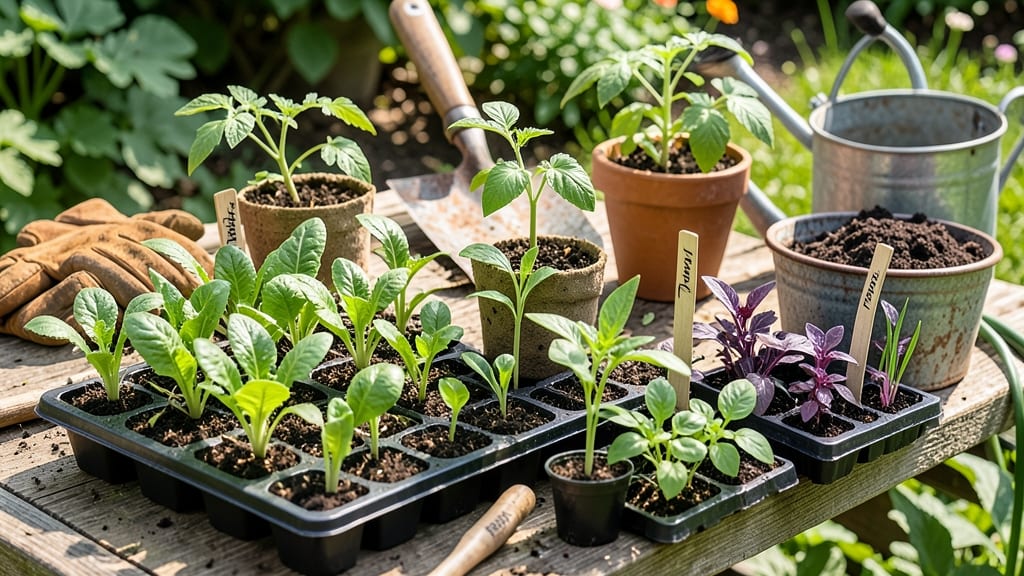
A vegetable garden planting schedule is the secret weapon behind every homegrown harvest—whether you're growing tomatoes, lettuce, or carrots 🌱.
Struggling to remember when to plant your tomatoes, lettuce, or carrots? A well-timed schedule can mean the difference between a bountiful harvest and wasted effort—especially when factoring in your local frost dates.
Without the right timing, even the hardiest plants can bolt, rot, or fail to produce. But with a customized plan, you’ll know exactly when to start seeds indoors, transplant seedlings, and succession-plant for continuous yields.
Here’s how to align your garden with frost dates, crop types, and seasonal shifts—so you can enjoy fresh veggies all season long.

How to create a custom planting schedule based on frost dates
A custom planting schedule tailored to your local frost dates ensures your vegetable garden thrives year after year. Without this timing, even the hardiest plants may fail to produce.
The key lies in understanding your USDA hardiness zone and the last spring frost and first fall frost dates for your area. These dates determine when to start seeds indoors, transplant seedlings, and harvest before cold snaps arrive.
Start by finding your USDA zone using the USDA Plant Hardiness Zone Map. This map divides North America into 13 zones based on average annual minimum temperatures.
For example, Zone 5 (common in the Midwest) has a last frost date around May 15, while Zone 9 (Southern California) may see frost as late as December 15.
Knowing your zone helps you align planting windows with seed packet instructions, which often list days to maturity and frost sensitivity.
Next, use a frost date calculator or local agricultural extension service to pinpoint your average last frost date in spring and first frost date in fall.
These dates are critical for cool-season crops like lettuce and spinach, which can tolerate light frosts, and warm-season crops like tomatoes and peppers, which need warm soil to germinate.
For instance, if your last frost is April 10, you’ll want to plant cold-hardy crops like peas and carrots 2-4 weeks before this date, while waiting until two weeks after to plant heat-loving tomatoes.
Seed packets provide days to maturity and frost warnings, but these are general guidelines. Adjust based on your frost dates.
For example, if a packet says "plant 6-8 weeks before last frost" for broccoli and your last frost is May 1, start seeds indoors around March 15 to transplant outdoors by April 15.
Similarly, warm-season crops like cucumbers should be planted after your last frost, with enough time to mature before the first fall frost.
Don’t forget to account for succession planting, which involves staggered plantings to extend harvests. For example, in a Zone 6 garden with a last frost of May 10 and first frost of October 10, you might plant lettuce every 2 weeks from April to August for continuous harvests.
This method maximizes space and yield, especially for fast-growing crops like radishes or bush beans.
Here’s a quick reference for aligning seed packets with frost dates:
Tools like the Old Farmer’s Almanac or Local Weather Stations can provide historical frost data for your area.
For example, if your Zone 7 garden has a last frost of April 15 but the almanac shows a 10-year average of April 10, err on the side of caution and adjust your schedule accordingly. Over time, you’ll refine your planting windows based on real-world observations.
Pro tip: Use row covers or cold frames to extend your growing season. These tools can push your last frost date back by 2-4 weeks, allowing you to plant earlier or harvest later.
For instance, in Zone 5, a cold frame might let you plant spinach as early as March 1 instead of waiting for April 1. Always monitor soil temperature with a soil thermometer, as many seeds won’t germinate until the soil reaches 60°F or higher.
Finally, keep a gardening journal to track your frost dates and planting successes. Note which crops thrive with your schedule and which struggle. For example, you might discover that zucchini matures faster in your climate than the packet suggests, allowing you to plant later.
Adjusting your schedule yearly based on data ensures your vegetable garden planting schedule becomes foolproof over time.
With a custom planting schedule aligned to your frost dates, you’ll enjoy longer harvests, healthier plants, and fewer wasted seeds. Happy planting! 🌱
Best vegetable planting schedule by type (cool vs. warm season crops)
Understanding the difference between cool-season and warm-season crops is key to a productive vegetable garden. Cool-season plants thrive in temperatures below 75°F, while warm-season crops need consistent warmth above 60°F to germinate. Planting at the right time ensures healthy growth and prevents bolting or stunted development.
Your local last frost date (spring) and first frost date (fall) are your best guides. For example, in Zone 5, last frost typically occurs around May 15, while first frost hits October 15. Adjust these dates based on your microclimate—valleys frost earlier, while hillsides stay warmer longer.
Here’s a quick comparison of planting windows for popular cool-season and warm-season crops, including succession planting tips to maximize your harvest.
| Crop Type | Planting Window | Succession Planting | Key Notes |
|---|---|---|---|
| Cool-Season Crops | 4-6 weeks before last frost (spring) or 60-90 days before first frost (fall) | Every 2-3 weeks (spring/fall) | Tolerates light frost; avoid planting when soil temps exceed 80°F |
| Spinach | March-April (spring) or August-September (fall) | Sow every 10-14 days for continuous harvest | Bolt-resistant varieties like 'Bloomsdale Long Standing' work well |
| Kale | March-April (spring) or July-August (fall) | Plant every 3-4 weeks for staggered maturity | Cold-hardy; flavor improves after frost (32°F) |
| Peas | February-March (spring) or August (fall, in mild climates) | Sow every 2 weeks until June 1 | Needs trellis support; avoid planting in hot soil |
| Warm-Season Crops | After last frost when soil is 60°F+ | Every 2-3 weeks (summer) | Direct-sow or transplant after danger of frost passes |
| Tomatoes | April-May (after last frost) | Succeed with bush beans after tomato harvest | Start indoors 6-8 weeks before transplant; stake for support |
| Peppers | May-June (soil 70°F+) | Plant basil nearby to repel pests | Slow to germinate; keep soil warm with black plastic mulch |
| Cucumbers | May-June (after frost) | Harvest vines every 2 weeks to encourage more fruit | Trellis to save space and improve air circulation |
For cool-season crops, plan two planting cycles: early spring and late summer. Spinach and kale can handle light frost, making them ideal for fall harvests. Use row covers in early spring to protect tender seedlings from unexpected cold snaps.
Warm-season crops like tomatoes and peppers need consistent warmth, so avoid planting until soil temperatures reach 60°F+. If your summer is short, opt for fast-maturing varieties (e.g., 'Early Girl' tomatoes) or extend the season with row covers or a low tunnel.
Pro tip: Use succession planting to keep your garden productive. After harvesting bush beans in late summer, replace them with radishes or turnips—both thrive in cooler fall temperatures. This strategy maximizes space and ensures a steady supply of fresh produce.
🌱