
Planting
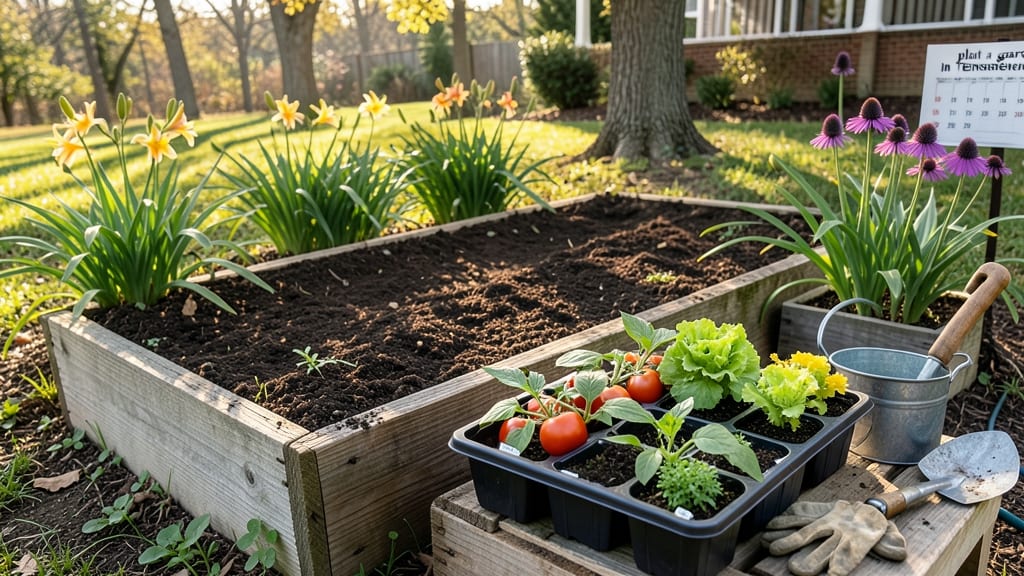
To plant a garden in Tennessee, time your seeds and seedlings between mid-March and early April for cool-season crops or late spring for warm-season favorites like tomatoes.
Missed planting season in Tennessee? Don’t worry—knowing the exact frost-free dates for your zone and crop type can still save your garden from early frost or stunted growth. With Tennessee’s diverse climate zones (USDA 6a-7b), timing is everything for a thriving harvest.
Cool-season 🌱 General Garden Vegetables & Plants like lettuce and broccoli thrive when planted 4-6 weeks before the last frost, while warm-season crops need to wait until after the danger of frost has passed.
In East Tennessee, that might mean starting earlier than in West Tennessee, where warmer microclimates can delay the first frost.
Below, I break down the best planting windows by crop, zone-specific frost dates, and how to adjust for Tennessee’s unpredictable weather—so you can enjoy a garden that grows strong, no matter when you start.
Tennessee frost-free dates by Zone: when to plant cool-season vs. warm-season crops
Tennessee’s diverse climate zones (USDA 6b-8a) create unique planting windows for gardeners. Whether you're in East Tennessee’s cooler mountains or West Tennessee’s warmer valleys, knowing your last frost date is critical for timing cool-season and warm-season crops correctly.
I’ll break down the frost-free deadlines by zone and crop type, so you can plan your garden like a pro.
First, locate your USDA zone using the interactive USDA Plant Hardiness Zone Map. Tennessee spans zones 6b through 8a, with East Tennessee (6b-7a) typically frostier than West Tennessee (7b-8a).
For example, Chattanooga (Zone 7a) has a last frost date around March 15, while Memphis (Zone 8a) averages February 28. These dates shift 2-3 weeks earlier in urban microclimates (like Nashville’s downtown) due to the heat island effect.
| Zone & Location | Last Frost Date | First Frost Date | Cool-Season Crops (Plant) | Warm-Season Crops (Plant) |
|---|---|---|---|---|
| 6b (East TN: Bristol, Johnson City) | April 15 | October 15 | March 1 - April 15 (lettuce, spinach, broccoli) | May 1 - May 15 (tomatoes, peppers, squash) |
| 7a (Middle TN: Nashville, Knoxville) | March 25 | October 25 | February 15 - March 30 (kale, peas, onions) | April 15 - April 30 (cucumbers, beans, basil) |
| 7b (Central TN: Chattanooga, Murfreesboro) | March 15 | November 5 | February 1 - March 20 (carrots, radishes, cabbage) | April 1 - April 20 (eggplant, okra, sweet potatoes) |
| 8a (West TN: Memphis, Jackson) | February 28 | December 15 | January 1 - February 15 (collards, turnips, garlic) | March 15 - March 30 (peppers, tomatoes, watermelon) |
For cool-season crops like lettuce or broccoli, plant 4-6 weeks before your last frost date.
In Zone 6b, this means starting seeds indoors by February 15 for an outdoor transplant by March 15. Warm-season crops like tomatoes and peppers need soil temperatures above 60°F, so wait until 2-3 weeks after your last frost.
In Zone 8a, this could be as early as March 15.
Adjust for microclimates: Urban areas (like Nashville’s downtown) can be 2-4°F warmer than rural zones, while valleys (like East Tennessee’s Smoky Mountains) may frost 1-2 weeks later.
Use row covers or cold frames to extend your cool-season planting by 2-3 weeks if late frosts threaten. I’ve used these in Zone 7a to grow spinach until May 1.
Don’t overlook fall planting! Tennessee’s first frost dates range from mid-October (Zone 6b) to mid-December (Zone 8a).
For a fall garden, plant warm-season crops like sweet potatoes or okra in late July (Zone 8a) or early August (Zone 6b). Cool-season crops like kale or radishes can handle light frosts, so plant them 6-8 weeks before your first frost.
Pro tip: Use fast-maturing varieties (like ‘Early Girl’ tomatoes or ‘Cherry Belle’ radishes) to maximize your short growing season in Zone 6b. In Zone 8a, you can even grow year-round greens like Swiss chard with season extenders. I’ve successfully
Best planting calendar for Tennessee gardens: month-by-month crop scheduling
Tennessee’s diverse climate zones (USDA 6b-8a) mean your planting schedule should shift based on elevation and location. East Tennessee’s cooler springs contrast sharply with West Tennessee’s earlier last frosts—so knowing exact planting windows saves time and frustration.
This month-by-month guide aligns with Tennessee’s 180-220 frost-free days, helping you maximize harvests year-round.
Start with cool-season crops like lettuce and peas in February-March, then transition to warm-season favorites (tomatoes, peppers) after your last frost date (mid-March to early April).
For fall gardens, plant heat-tolerant varieties like kale or Swiss chard in late summer to harvest before the first frost (mid-October to early November).
For succession planting, focus on fast-maturing crops like radishes (30 days) and bush beans (50 days). In East Tennessee (Zone 6b), extend your season with row covers for cool-season crops until late April.
Meanwhile, West Tennessee (Zone 7b-8a) gardeners can plant warm-season crops like okra as early as April.
Pro tip: Use heat-tolerant varieties for late starts—try ‘Heatmaster’ tomatoes or ‘Malabar spinach’ to push harvests into summer’s peak heat. Always check seed packets for days-to-maturity to align with your first frost date. Download our free PDF planting tracker to log progress and adjust timelines as Tennessee’s weather shifts.
Remember, soil temperature matters just as much as air temperature. Wait until soil reaches 60°F+ for warm-season crops—use a soil thermometer to avoid stunted growth. For fall gardens, prioritize frost-hardy greens like collards and mustard greens, which thrive in cool nights.
Start small if you’re new to Tennessee gardening—try container gardens for warm-season crops like peppers or herbs. They’re easier to move if unexpected frost threatens. With this schedule, you’ll enjoy harvests from February through November, even in Tennessee’s unpredictable climate. Happy planting! 🌱