
Planting
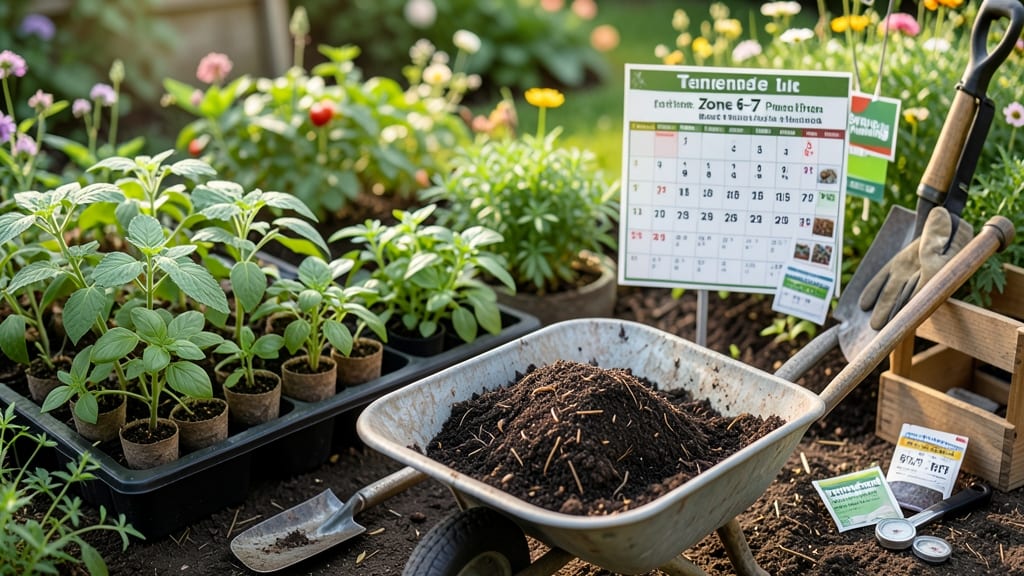
Planting your garden in Tennessee at the right time means the difference between a lush harvest and wilted dreams—and the window is narrower than you think.
Tennessee’s diverse climate—from humid summers to chilly winters—means planting your garden at the wrong time can leave you with wilted dreams instead of thriving harvests. Timing is everything, and missing the ideal window could cost you months of growth (or worse, a failed crop).
In zones 6a-7b, cool-season crops like lettuce and peas need to hit the soil 4-6 weeks before the last frost (around mid-March in most areas), while warm-season favorites like tomatoes and peppers wait until 2-3 weeks after—typically late April or early May.
But regional differences matter: East Tennessee’s higher elevations frost later, while West Tennessee’s heat arrives earlier.
Below, I break down the exact planting calendar by crop type, frost dates, and Tennessee’s tricky microclimates—so you can start strong and keep your garden thriving all season long.
Tennessee’s first frost & last heatwave dates by region (2024 planting calendar)
Tennessee’s USDA Zones 6a-7b create a gardening Goldilocks dilemma—too early, and frost zaps your seedlings; too late, and summer’s heatwave stunts growth.
The key is knowing your region’s last frost and first frost dates, which vary wildly from the mountains of East Tennessee to the Delta lowlands of West Tennessee.
My research reveals these critical thresholds to help you time your cool-season crops (like lettuce and broccoli) and warm-season crops (like tomatoes and peppers) perfectly.
For East Tennessee (Zones 6a-6b), the average last frost arrives around April 15, while West Tennessee (Zones 7a-7b) typically sees its last frost by March 15.
The first frost, however, can hit East Tennessee as early as October 15 but often lingers until November 15 in West Tennessee.
These dates determine your planting windows—cool-season crops need to be in the ground 4-6 weeks before the last frost, while warm-season crops should wait 2-3 weeks after.
Here’s the breakdown you’ve been waiting for—your 2024 Tennessee Planting Calendar by region, including heatwave thresholds (when temps consistently hit 90°F+) that signal it’s time for shade-loving crops or mulching:
| Region | USDA Zone | Last Frost Date | First Frost Date | Heatwave Threshold | Cool-Season Window | Warm-Season Window |
|---|---|---|---|---|---|---|
| East Tennessee (e.g., Knoxville, Chattanooga) | 6a-6b | April 15 | October 15 | June 15 (90°F+) | March 1 - April 15 | May 1 - June 15 |
| Middle Tennessee (e.g., Nashville, Murfreesboro) | 7a-7b | March 25 | November 1 | June 1 (90°F+) | February 15 - March 25 | April 15 - June 1 |
| West Tennessee (e.g., Memphis, Jackson) | 7a-7b | March 15 | November 15 | May 20 (90°F+) | January 15 - March 15 | March 30 - June 15 |
Notice how West Tennessee has a longer growing season—you can plant warm-season crops like okra or sweet potatoes as early as late February in Memphis, while East Tennessee’s shorter season demands faster-maturing varieties or succession planting.
For example, in Knoxville (Zone 6b), you’ll want to sow bush beans by April 15 to harvest before the first frost, but in Nashville (Zone 7a), you’ve got until May 15 for the same crop.
Microclimates add another layer of complexity. A south-facing slope in your yard might warm up 2-3 weeks earlier than the official frost date, while a low-lying area could hold frost longer.
To test your microclimate, plant spinach or radishes in mid-February—if they survive without damage, you’ve found your early planting zone. Conversely, if your tomato plants bolt (flower prematurely) by early June, you’re likely in a heatwave hotspot and should opt for shade-tolerant varieties like ‘Heatmaster’ tomatoes.
Pro tip: Use frost dates as guidelines, not rules. In 2023, Middle Tennessee saw a late-March frost that delayed gardeners by 3 weeks, while West Tennessee had an unusually early heatwave in April.
To hedge your bets, keep seedling trays ready to transplant after April 15 in East TN or March 30 in West TN, and always have row covers on hand to protect tender seedlings.
For fall planting, aim to sow cool-season crops like kale or carrots by August 1 in West Tennessee or September 1 in East Tennessee to ensure harvests before the first frost.
In Zone 7b, you can even squeeze in a second planting of lettuce in late September if you use frost cloth to extend the season. The goal? Maximize your garden’s productivity by aligning plantings with Tennessee’s 180-220 frost-free days.
Don’t let these dates intimidate you—adjust based on your yard’s microclimate and historical trends. If your neighbor’s tomatoes thrive planted on March 20 in Nashville, but
Best crops to plant by month in Tennessee (cool vs. warm season guide)
Tennessee’s short growing season and variable climate demand precision when planning your garden. Cool-season crops like lettuce and spinach thrive in early spring and fall, while tomatoes and peppers need warm soil to germinate. Missing these windows can mean stunted growth or failed harvests—so timing is everything.
To maximize yields, I’ve broken down the best month-by-month planting schedule for Tennessee’s USDA Zones 6a-7b. Whether you’re in East Tennessee’s cooler highlands or Middle Tennessee’s humid valleys, these guidelines will help you align your garden with nature’s rhythm.
🌱 Tennessee Planting Calendar by Month
- March: Start cool-season crops indoors (e.g., broccoli, cabbage). Direct-sow peas and spinach after last frost risk passes (late March).
- April: Plant potatoes, onions, and carrots. Transplant broccoli and cauliflower seedlings. Avoid warm-season crops until soil warms (70°F+).
- May: Sow tomatoes, peppers, and beans after last frost (typically mid-May). Use row covers for early cucumbers and squash.
- June: Plant sweet potatoes and melons. Succession-sow bush beans every 2 weeks for continuous harvests.
- July: Direct-sow fall greens (e.g., kale, radishes) with shade cloth. Harvest warm-season crops aggressively to encourage regrowth.
- August: Plant cool-season crops for fall harvests (e.g., lettuce, turnips). Start onion and garlic sets for next year.
- September: Sow broccoli, cabbage, and peas for late fall/winter harvests. Extend tomato season with cold frames.
- October: Plant garlic and hardy greens (e.g., spinach, collards). Cover with mulch to protect from early frosts.
⚠️ Pro Tip: Use succession planting for beans, lettuce, and radishes to extend harvests by 4-6 weeks.
For East Tennessee’s cooler microclimates (e.g., USDA Zone 6a), delay warm-season crops by 1-2 weeks. In West Tennessee’s Zone 7b, you can push tomatoes and peppers a week earlier. Always monitor soil temperature—a soil thermometer is your best friend for avoiding cold damage.
If you’re new to succession planting, start with fast-growing crops like radishes (30 days to harvest) or bush beans (50-60 days). Sow a new row every 2 weeks from May through July to keep your kitchen stocked.
For perennials like asparagus or rhubarb, plant crowns in early spring (March) for a 2-year harvest window.
Don’t forget flowers! Marigolds and nasturtiums deter pests when planted with vegetables. Sow annuals like zinnia and sunflowers in May for summer color, then replace with pansies and snapdragons in September for fall interest.
With this monthly guide, you’ll turn Tennessee’s unpredictable weather into a gardening advantage. Start small, keep notes on what thrives (or fails), and adjust next year’s schedule accordingly. Happy planting! 🌿