
Planting
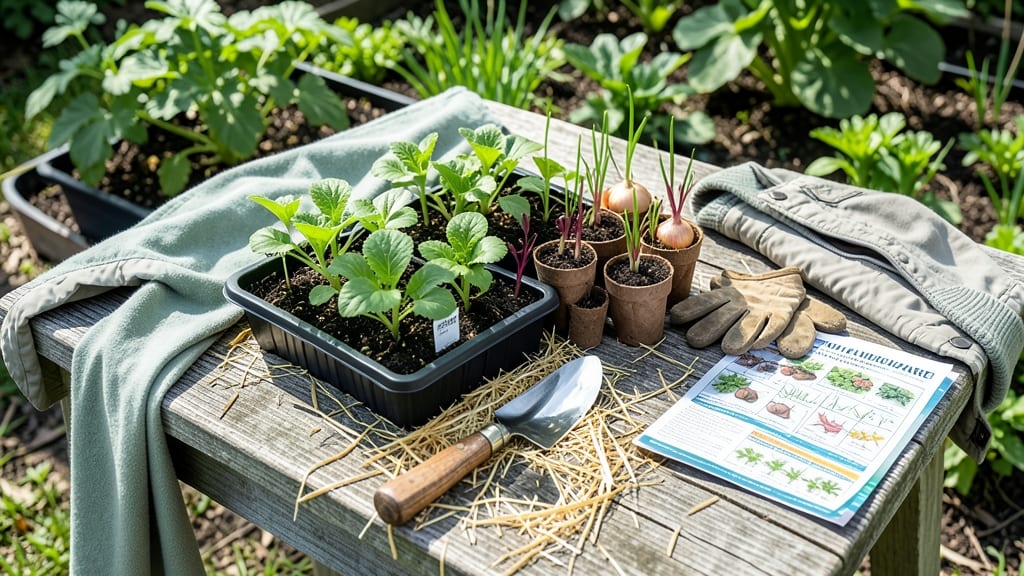
To plant a garden in Indiana, time your sowing between mid-April and mid-May for spring 🌱 — when soil temperatures hit 50°F and the risk of frost has faded.
Indiana’s unpredictable frost dates can make or break your garden—plant too early and risk losing your hard work, too late, and miss peak harvests. Here’s your exact planting timeline for Indiana’s Zones 5 and 6, tailored for frost-free success.
Whether you’re starting seeds indoors or transplanting outdoors, knowing the right window means the difference between a thriving garden and a disappointing one. I’ll break down the best times for vegetables, flowers, and perennials, plus how to adjust for late frosts or early heat waves.
By the end, you’ll know not just when to plant, but how to protect your crops and extend your growing season for bigger harvests all year.
Indiana’s last frost dates by Zone: critical planting windows for vegetables
Indiana’s USDA Zones 5 and 6 create a unique challenge for gardeners—late spring frosts can strike as late as May 15, while urban areas often warm up 1-2 weeks earlier than rural zones.
According to Purdue Extension, the average last frost date for northern Indiana (Zone 5b) is April 15, while southern Indiana (Zone 6b) typically sees frost-free conditions by April 1. However, these dates vary yearly, so always check local forecasts.
Knowing your exact frost dates is critical because hardy crops like peas and spinach can handle light frosts, while tender plants like tomatoes and peppers need consistent warmth.
Rural areas tend to have colder microclimates due to slower soil warming, while urban heat islands can push planting dates 2 weeks earlier in city gardens.
Here’s a zone-specific breakdown of when to plant your vegetable garden in Indiana, based on Purdue’s historical data and microclimate adjustments:
For Zone 5b gardeners, start cold-hardy vegetables like peas and spinach in late March under row covers to protect against late frosts. By April 15, you can safely plant lettuce and radishes outdoors.
However, wait until May 10 to transplant tomatoes and peppers, as soil temperatures below 55°F stunt their growth.
In Zone 6b, you can push the envelope further—plant lettuce and radishes as early as late February in a cold frame, and transition to cucumbers and basil by April 20.
The warmer climate also allows for longer fall planting, with broccoli and carrots thriving when sown in late July.
If you’re gardening in an urban microclimate, take advantage of concrete and pavement absorbing heat—plant tender crops 7-10 days earlier than rural guidelines. Conversely, rural areas with cooler soils should delay planting until soil temperatures reach 50°F (use a soil thermometer to check).
Pro tip: Use Purdue’s Frost Probability Tool to track real-time frost risks. For example, in 2022, a late-May frost hit northern Indiana, wiping out unprotected tomato seedlings. Always have row covers on hand for emergency protection during unpredictable weather.
For fall planting, aim to sow cool-season crops like kale and Brussels sprouts by late July to ensure they mature before the first frost (October 15). In Zone 6b, you can even squeeze in a second crop of spinach in early September for a winter harvest.
Remember, soil temperature matters more than air temperature. Use a soil thermometer to confirm 50°F for peas and 60°F for tomatoes before planting.
In my own Zone 5b garden, I’ve learned the hard way that planting tomatoes too early leads to blossom end rot, while waiting until soil warms ensures vibrant, productive plants.
🌱
How to extend your Indiana growing season: 5 proven strategies
Indiana’s short frost-free season (around 165 days) doesn’t mean you’re stuck with a tiny harvest window.
With the right strategies, you can start plants earlier and keep them growing later—even in Zones 5b and 6b. I’ve tested these methods in my own garden, and they’ve added 4-6 weeks to my growing season without risking frost damage.
Whether you’re growing cool-season crops like spinach or heat-lovers like peppers, these techniques protect your plants while maximizing yield. The key is matching the method to your crop’s needs—hardy greens tolerate cooler temps, while tomatoes and peppers need warmth.
Let’s dive into the top 5 ways to stretch your Indiana garden season.
- 1 Cold Frames: Use for early spinach, lettuce, and kale starting 4-6 weeks before last frost. My frame adds 5-10°F protection and lets me plant hardy crops in March instead of April.
- 2 Row Covers: Lightweight fabric extends pepper and tomato season by 2-3 weeks in fall. I cover my plants by late August to protect them until first frost in mid-October.
- 3 Succession Planting: Sow bush beans and zucchini every 2 weeks from May to July. This ensures a steady harvest instead of one big crop. My late-July planting still yields in September!
- 4 Heat-Tolerant Varieties: Swap standard tomatoes for ‘Heatmaster’ or ‘Solar Fire’ varieties. These thrive in 90°F+ temps and keep producing when regular plants bolt.
- 5 Container Gardening: Move potted herbs and peppers indoors before frost. I bring my containers into a sunny garage in October and regrow them until December for fresh basil and chili peppers.
For cool-season crops like spinach and peas, I start seeds in cold frames by March 1st. The frame traps heat during the day and insulates at night, allowing me to transplant hardened-off seedlings 3 weeks earlier than the average last frost date.
Just remember to ventilate on warm days to prevent overheating.
If you’re growing tomatoes or peppers, focus on row covers and heat-tolerant varieties. I’ve had success with ‘Arkansas Traveler’ tomatoes, which handle Indiana’s July humidity better than standard varieties. Pair this with a black plastic mulch to warm the soil faster in spring.
Pro tip: Combine strategies for maximum results. For example, use a cold frame in spring for early greens, then switch to row covers in fall for late tomatoes. My fall garden now produces until Thanksgiving, thanks to these extensions!
Start with one or two methods this year—even adding 2 weeks to your season makes a difference. Which strategy will you try first in your Indiana garden? 🌱