
Planting
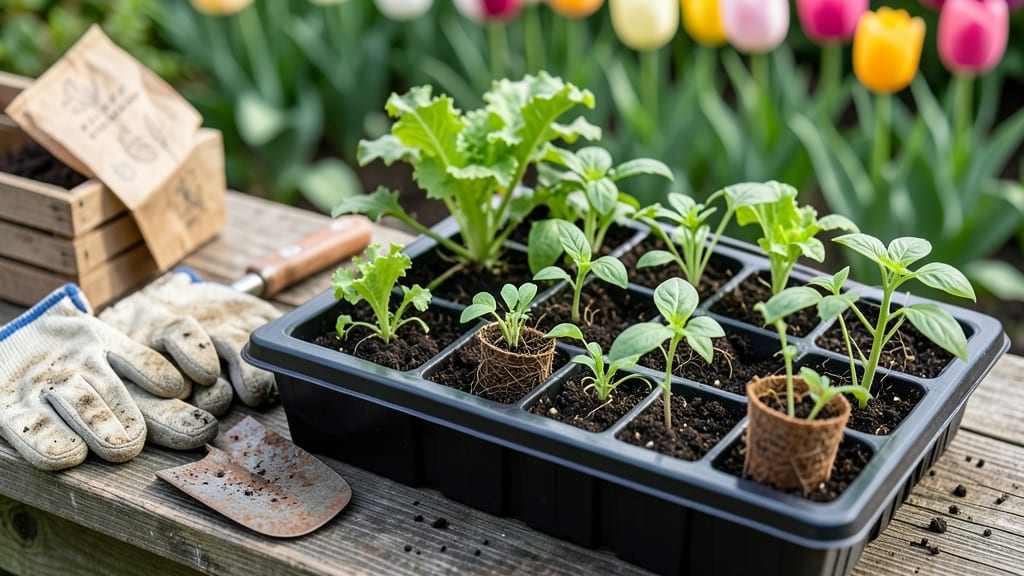
The best time to plant a garden depends on your USDA zone, but spring is the golden window for most plants—especially in Zone 6a—where soil warmth and daylight align perfectly for growth.
Timing your garden planting can mean the difference between a bountiful harvest and a frustrating failure—knowing the best time to plant a garden depends on your USDA zone, climate, and the plants you’re growing.
In Zone 6a, where frost lingers until mid-April, cool-season crops like spinach and peas can go in as early as March, while tomatoes and peppers wait until after the last frost date in May.
Below, I’ll break down the ideal planting calendar for your region, pro tips for extending seasons, and how to adjust for your local microclimate—so you can maximize yields and avoid common mistakes.

USDA zone planting calendar: when to start seeds and transplant vegetables
Getting the best time to plant a garden right means aligning your planting schedule with your USDA zone and local frost dates. Whether you're growing cool-season crops like spinach or warm-season crops like tomatoes, timing is everything for a successful harvest.
Each zone has its own last spring frost and first fall frost, creating a unique window for planting.
For example, gardeners in USDA Zone 3 (like Minnesota or northern New York) have a much shorter growing season than those in Zone 10 (like southern California or Florida).
This means cool-season crops like kale and peas can thrive in early spring or late summer in Zone 3, while warm-season crops like peppers and eggplants need to wait until after the last frost in Zone 10—or grow year-round in some microclimates.
Below is a zone-by-zone breakdown of when to start seeds indoors and transplant seedlings outdoors.
Use these guidelines as a starting point, but always check your local frost dates and adjust for your specific microclimate. Soil temperature is just as critical as air temperature—most seeds need 60°F soil to germinate properly.
| USDA Zone | Last Spring Frost | First Fall Frost | Cool-Season Start (Outdoors) | Warm-Season Start (Outdoors) | Indoor Seed Start (Warm Crops) |
|---|---|---|---|---|---|
| Zone 3 | Mid-May | Mid-September | Early April (cold-hardy) | Late May (after frost) | Mid-March (8-10 wks before last frost) |
| Zone 4 | Late April | Late September | Late March (cold frames) | Early June | Early April (6-8 wks before last frost) |
| Zone 5 | Early April | Early October | Early April (hardy greens) | Mid-May | Late March (6-8 wks before last frost) |
| Zone 6 | Mid-March | Mid-October | Late March (spinach, peas) | Late April | Early March (6-8 wks before last frost) |
| Zone 7 | Early March | Late October | February (cold frames) | Early April | Late February (6-8 wks before last frost) |
| Zone 8 | Mid-February | Early December | January (fall/winter crops) | Mid-March | January (6-8 wks before last frost) |
| Zone 9 | Mid-January | Mid-January | Year-round (fall/winter) | February | December (6-8 wks before last frost) |
| Zone 10 | None (tropical) | None (tropical) | Year-round (succession) | Year-round | Year-round (fast-growing crops) |
*Adjust for microclimates—mountains, valleys, and urban areas vary significantly.
In cool-season zones (3-6), focus on planting leafy greens like spinach and kale in early spring and late summer for fall harvests. These crops can tolerate light frosts and often thrive when soil is still cool.
Meanwhile, warm-season crops like tomatoes, peppers, and cucumbers need to wait until after the last spring frost and soil temperatures reach at least 60°F (15°C).
For USDA Zones 7-10, the planting window expands significantly.
How to adjust planting times for your local microclimate and soil conditions
Your local microclimate and soil conditions can shift the best time to plant a garden by weeks—even if you’re in the same USDA zone as your neighbor. A north-facing slope might stay frost-free longer than your backyard, while heavy clay soil warms up slower in spring.
Understanding these factors lets you fine-tune planting for peak success.
Start by monitoring your soil temperature—most seeds need soil at 50-70°F (10-21°C) to germinate. Use a soil thermometer (just $10) to check depth—seeds planted too early in cold soil rot instead of sprouting.
For example, tomatoes and peppers thrive when soil hits 60°F (15°C), while spinach and kale tolerate cooler 40°F (4°C) soils.
⚠️ callout-warning ⚠️
⚠️ Planting Too Early or Too Late
Don’t rely solely on calendar months—frost dates vary yearly. Planting warm-season crops before last frost risks bolting (premature flowering), while cool-season crops planted too late may bolt or flower instead of producing edible parts. Use frost-free days as your guide: tomatoes need 90+ frost-free days, while bush beans thrive in just 50-60 days.
✅ Pro Tip: Check your local Cooperative Extension Service for 10-year frost averages—they’re more reliable than generic zone charts.
Extend your growing season with season-extending tools like row covers (lightweight fabric) or cold frames (glass boxes). These can add 2-4 weeks of planting time in spring or fall harvests before frost.
For example, I used a hoop house to grow lettuce in Zone 5 until November, when outdoor temps dropped to 32°F (0°C).
Test your soil’s drainage before planting—waterlogged soil suffocates roots. Dig a 12-inch hole, fill it with water, and time how long it takes to drain.
If it’s still soggy after 6 hours, amend with compost or sand. pH levels matter too: tomatoes prefer 6.0-6.8, while blueberries need 4.5-5.5. A $20 soil test kit solves guesswork.
Create a site readiness checklist before planting: ☑️ Soil temp meets seed requirements ☑️ Frost risk is below 30% (check Old Farmer’s Almanac) ☑️ Drainage is adequate (no standing water) ☑️ Sun exposure matches plant needs (e.g., 6+ hours for tomatoes) ☑️ Tools like row covers or trellises are ready
Adjust for microclimates in your yard—south-facing beds warm faster, while shady spots stay cooler. I planted basil on my south-facing patio 2 weeks earlier than in the shaded garden bed, and it thrived.
Pay attention to wind exposure too: windbreaks (like tall grasses or fences) protect delicate leafy greens from drying out.