
Planting
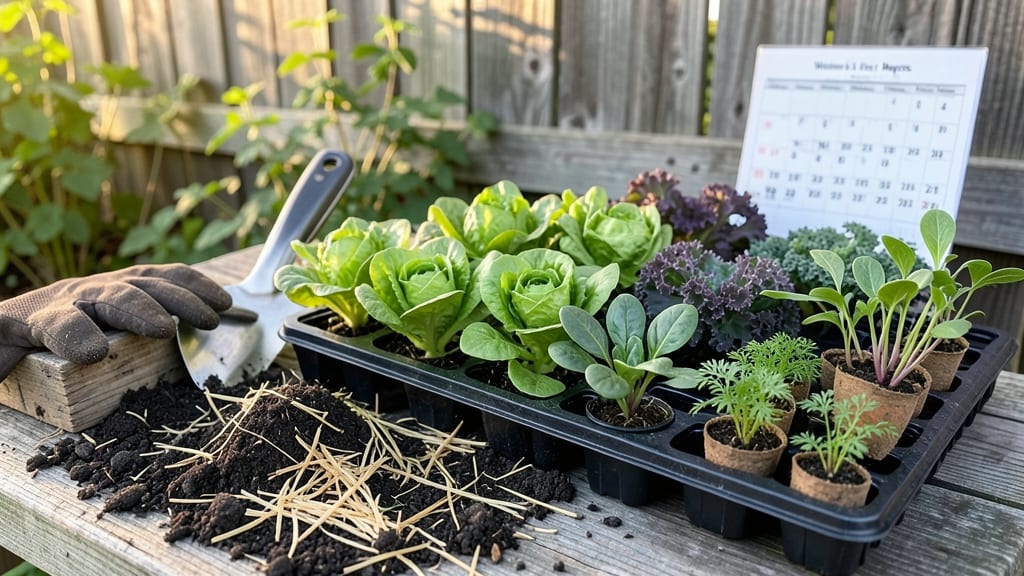
Planting your garden in Wisconsin at the right time means the difference between a lush harvest and a frost-killed disappointment — and the window opens earlier than you might think.
Wisconsin’s unpredictable frost dates can turn a thriving garden into a frozen disappointment—or a bountiful harvest with the right timing. Mastering the perfect planting window means avoiding late frosts, maximizing growth seasons, and ensuring your 🌱 General Garden Plants flourish when they should.
For most of the state, the best time to plant warm-season crops like tomatoes and peppers is after mid-May, once soil temperatures hit 50°F. But cool-season veggies like spinach and peas can go in as early as April 15 in southern Wisconsin—just don’t rush it.
Below, I break down the exact deadlines by region, how to adjust for Wisconsin’s unpredictable weather, and the 3-step checklist to prep your soil and seedlings for success—so you’re planting when it counts.
Wisconsin planting zones and last frost dates by region
Wisconsin spans USDA Hardiness Zones 4a-5b, meaning gardeners must account for dramatic temperature shifts. The southern region (e.g., Milwaukee) typically experiences Zone 5b, while the northern region (e.g., Duluth) falls into Zone 4a. These zones dictate which plants thrive and when to plant them for maximum success.
Understanding your last frost date is critical—it separates garden success from failure. In southern Wisconsin, the average last frost occurs around April 20-30, while northern Wisconsin can see frost lingering until May 10-20.
These dates shift based on microclimates, like Lake Michigan’s warming influence near cities like Kenosha.
For warm-season crops like tomatoes and peppers, planting too early risks frost damage. Cool-season crops such as spinach and peas, however, can handle earlier planting. Here’s how to align your garden with Wisconsin’s zone-specific deadlines:
| Region | USDA Zone | Last Frost Date | First Frost Date | Warm-Season Planting Window | Cool-Season Planting Window |
|---|---|---|---|---|---|
| Southern Wisconsin (Milwaukee, Madison) | 5a-5b | April 20-30 | October 10-20 | May 10 - June 15 | March 15 - April 15 or August 15 - September 15 |
| Central Wisconsin (Wisconsin Dells, Stevens Point) | 4b-5a | May 1-10 | October 5-15 | May 15 - June 20 | March 20 - April 10 or August 1 - September 10 |
| Northern Wisconsin (Green Bay, Duluth) | 4a | May 10-20 | September 25 - October 5 | May 20 - June 25 | March 25 - April 15 or July 30 - August 20 |
| Lake Michigan Microclimate (Kenosha, Sheboygan) | 5a-5b | April 15-25 | October 15-25 | May 5 - June 10 | March 10 - April 10 or August 10 - September 10 |
In Zone 5b, where southern Wisconsin thrives, you can start spinach and peas as early as mid-March under row covers. By contrast, northern Zone 4a gardeners should wait until late April for hardy crops like kale and radishes to avoid frost damage.
For warm-season crops, timing is everything. In Zone 5b, plant tomatoes and peppers after May 10, while Zone 4a gardeners should wait until May 20. Fast-maturing varieties like 'Early Girl' tomatoes (55 days to harvest) give you a buffer if frost sneaks in.
Microclimates near Lake Michigan can push last frost dates 1-2 weeks earlier due to the lake’s moderating effect. Use this to your advantage by planting cold-sensitive crops like cucumbers 10 days earlier than inland areas.
Fall planting is equally critical. In southern Wisconsin, you can sow cool-season crops like broccoli and carrots until September 15. In northern Wisconsin, however, the window closes by August 20 to ensure harvest before the first frost.
Always monitor soil temperatures—most vegetables need 50°F+ to germinate. Use a soil thermometer to confirm readiness, especially in Zone 4a, where cooler soils delay growth.
Pro tip: Keep a gardening journal to track your local frost dates. Over time, you’ll refine your planting schedule to match your unique microclimate, even if it differs from the average.
How to adjust planting times for Wisconsin’s unpredictable weather
Wisconsin’s unpredictable frost dates can leave gardeners scrambling, but with the right strategies, you can extend your growing season and protect tender plants. The key lies in flexible timing—using tools like frost-free date calculators, protective covers, and fast-maturing varieties to beat Mother Nature’s curveballs.
Even a 1-2 week delay in planting can mean the difference between a thriving garden and a frost-killed disappointment.
Start by checking your local frost-free date using resources like the National Oceanic and Atmospheric Administration (NOAA) or university extension services. These tools provide region-specific deadlines for planting, accounting for Wisconsin’s microclimates—like the warmer zones near Lake Michigan or the colder northern areas.
For example, Milwaukee’s last frost typically arrives by April 20, while Green Bay’s can linger until May 10. Adjusting your schedule by even a few days can save your tomatoes or peppers from a late freeze.
- 1
- 2
- 3
Before your optimal planting window opens, prepare your soil and seedlings with this 3-step checklist to give your garden a head start. First, test your soil for pH and nutrient levels—Wisconsin’s clay-heavy soils often need compost or aged manure to improve drainage and fertility.
Aim for a pH of 6.0-7.0 for most vegetables, and amend as needed. Next, harden off seedlings if you’re transplanting starts from indoors. Gradually expose them to outdoor conditions over 7-10 days to reduce shock when the time comes to plant.
Finally, time your soil warming to match your planting schedule. Use black plastic mulch or straw bales to raise soil temperatures 5-10°F faster than uncovered beds. This is especially critical for warm-season crops like peppers and cucumbers, which won’t germinate well in cold soil.
By the time your frost-free date arrives, your soil—and your seedlings—will be ready to thrive.
Don’t let Wisconsin’s unpredictable weather derail your gardening dreams. With these strategies, you’ll adapt to frost risks, extend your harvests, and enjoy a garden that flourishes year after year.
Start planning now, and your tomatoes, zucchini, and flowers will thank you with a bountiful reward. Happy gardening! 🌱