
Planting
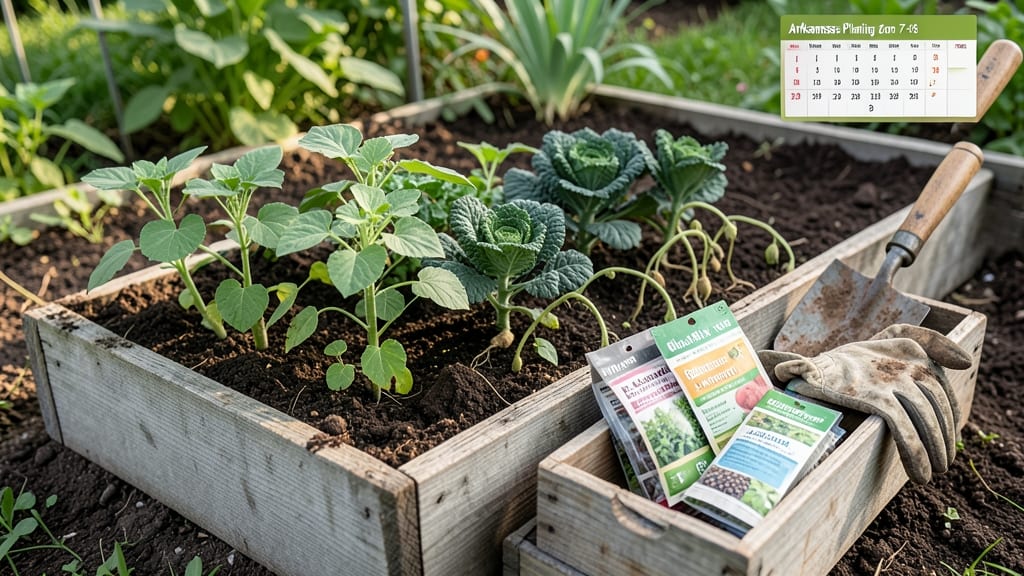
Planting a garden in Arkansas at the right time means the difference between a bumper crop and a sad little patch of wilted seedlings.
Arkansas gardeners know timing is everything—plant too early and face frost damage, too late and miss peak harvests. But with the state’s diverse zones, knowing exactly when to plant can mean the difference between a thriving General Arkansas Garden 🌱 and a disappointing one.
From the 7a-8a zones to last frost dates that shift from mid-March in the north to early February in the south, Arkansas’s planting calendar isn’t one-size-fits-all. Here’s how to align your spring and fall planting with your region’s unique rhythm.
You’ll discover the ideal windows for everything from heat-loving tomatoes to frost-tolerant greens, plus smart tricks to stretch your growing season—because in Arkansas, a few extra weeks can mean the difference between a handful of harvests and a full garden feast.
Arkansas planting zones: frost dates & frost-free timeline by region
Arkansas spans USDA Hardiness Zones 6b through 8a, creating a unique gardening climate where last frost dates can vary by 3-4 weeks from north to south.
Understanding these zones helps you time your cool-season crops (like lettuce and peas) for early spring planting and warm-season crops (such as tomatoes and peppers) for late spring. The key? Knowing your average frost dates and frost-free days to maximize your growing season.
Northern Arkansas (Zones 6b-7a) typically experiences its last frost around March 15, while southern regions (Zones 7b-8a) often see frost-free conditions by March 1. Conversely, the first frost arrives earlier in the north (mid-November) compared to the south (late November).
These differences mean gardeners in Zone 6b have a shorter growing season than those in Zone 8a, where you can squeeze in two full harvests—one in spring and another in fall.
Below is a zone-by-zone breakdown of Arkansas’s frost dates, frost-free timelines, and how they impact your planting schedule. Use this as your guide to align your garden with nature’s rhythm.
| Zone | Avg. Last Frost | Avg. First Frost | Frost-Free Days | Spring Planting Window | Fall Planting Window |
|---|---|---|---|---|---|
| 6b (North AR) | March 15 | November 15 | 180-200 days | April 15 - May 1 | August 15 - September 1 |
| 7a (Central AR) | March 1 | November 1 | 200-220 days | March 20 - April 15 | August 1 - September 10 |
| 7b (South-Central AR) | February 28 | October 31 | 220-240 days | March 1 - April 1 | July 30 - September 15 |
| 8a (Southeast AR) | February 15 | October 15 | 240+ days | February 15 - March 15 | July 15 - October 1 |
If you’re in Zone 6b, your cool-season crops like broccoli and spinach should be planted by April 1 to avoid late frosts, while warm-season crops like cucumbers and squash can wait until May 1.
Meanwhile, gardeners in Zone 8a can start planting tomatoes and peppers as early as February 15 and enjoy a longer harvest window. This extended season also allows for succession planting—sowing new seeds every 2-3 weeks to ensure a continuous supply of fresh produce.
For perennials and shrubs, timing matters too. Plant them in early spring (March-April) or early fall (September-October) to give roots time to establish before extreme temperatures.
In Zone 7a or warmer, you might even get away with planting some perennials in late winter (February), but always check soil temperatures—60°F+ is ideal for most plants.
Pro tip: Use a frost-free date calculator or local weather station data to fine-tune your planting schedule. For example, if your area had an early frost in 2022, adjust your fall planting by 1-2 weeks earlier. Arkansas’s climate can be unpredictable, so flexibility is key!
To visualize your zone, check the USDA Plant Hardiness Zone Map and overlay it with Arkansas’s county lines.
Most garden centers in your area will also provide localized frost date averages, which can help you make micro-adjustments based on your specific microclimate—like a low-lying valley that frosts later than surrounding hills.
Remember, soil temperature is just as critical as air temperature. Use a soil thermometer to confirm when it’s safe to plant heat-loving crops like peppers or eggplants. In Arkansas, soil typically warms to 60°F by late April in northern zones and by mid-March in the south.
Planting too early can stunt growth or invite pests.
Finally, don’t overlook fall planting—it’s a gardener’s secret weapon in Arkansas. With 200-240 frost-free days, you can grow cool-season crops like kale, carrots, and radishes well into November. Start seeds indoors in July or transplant seedlings in August for a bountiful harvest before winter sets in.
Best planting calendar for Arkansas crops: month-by-month guide
Arkansas gardeners have a short but productive growing season, with cool-season crops thriving in early spring and late fall, while warm-season plants dominate summer. The key to success lies in understanding your USDA zone (6b-8a) and adjusting planting times accordingly.
For example, northern Arkansas (Zone 6b) has a later last frost date than southern Arkansas (Zone 8a), meaning you can plant warm-season crops like tomatoes and peppers 2-3 weeks earlier in the south.
To maximize your harvest, I’ve broken down the best planting windows for Arkansas’s most popular crops, including succession planting tips to keep your garden producing all season. Whether you’re growing leafy greens in spring or zucchini in summer, timing is everything.
Let’s dive into the month-by-month guide to ensure your garden thrives from February through October.
- 1 February-March: Start cool-season crops like lettuce, spinach, and kale indoors or under row covers. Harden off seedlings by late March for outdoor planting after the average last frost date (mid-March in most zones).
- 2 April: Plant peas, radishes, and onions directly in the soil. Warm-season crops like tomatoes and peppers can be started indoors now, with transplants ready for late April to early May planting after soil warms to 60°F+.
- 3 May-June: The prime time for warm-season crops! Plant beans, squash, cucumbers, and corn directly in the garden. Succession plant lettuce and bush beans every 2 weeks for continuous harvests.
- 4 July-August: Start fall crops like broccoli, cabbage, and carrots indoors or under shade cloth. Plant late-season tomatoes and peppers in early August for a fall harvest before frost.
- 5 September-October: Direct-sow spinach, radishes, and turnips for a winter harvest. Plant garlic in October for next year’s crop. Use row covers to extend the season for cool-loving crops.
For flowers, like marigolds and zinnias, sow seeds directly in the garden after the last frost in April-May for summer blooms. Succession plant every 3-4 weeks to enjoy continuous color until frost.
If you love perennials, like daylilies or black-eyed Susans, plant them in spring or early fall for the best establishment.
Pro tip: Use mulch to retain soil moisture and straw bales to protect tender plants from late spring frosts. In northern Arkansas (Zone 6b), wait until May 1 to plant warm-season crops, while southern Arkansas (Zone 8a) can start as early as April 15.
Adjust your schedule based on microclimates—south-facing beds warm up faster than shaded areas.
By following this month-by-month guide, you’ll avoid the common mistakes of planting too early or too late, ensuring a bountiful harvest from spring through fall. Happy gardening—your Arkansas garden will thank you! 🌱🌿